AC Tune-Up in Lake Wenatchee, WA

Scroll down to discover more
AC tune-up in Lake Wenatchee, WA provides seasonal maintenance to keep homes comfortable, efficient, and reliable during warm months and wildfire risks. The process covers a detailed checklist, diagnostics, and preventive repairs to restore airflow, optimize refrigerant charges, and extend equipment life. Homeowners learn recommended steps, expected durations, and common issues while technicians tailor solutions for cabins and seasonal residences. Regular maintenance reduces mid-summer breakdowns, improves indoor air quality, and lowers operating costs through proactive care and professional oversight.
AC Tune-Up in Lake Wenatchee, WA
A seasonal AC tune-up in Lake Wenatchee, WA keeps your home comfortable, efficient, and reliable through warm summer days and lake-season guests. In this mountain-lake climate, systems that sit idle during cold months or face seasonal wildfire smoke and ash are more prone to performance loss and unexpected failures. A professional tune-up addresses those risks with a thorough checklist, targeted diagnostics, and preventive repairs so your air conditioner runs at peak performance when you need it most.
Why a seasonal AC tune-up matters in Lake Wenatchee homes
- Lake Wenatchee summers can be warm and sunny with large day/night temperature swings, which places recurring stress on cooling equipment when occupants run systems for extended periods.
- Homes that are used seasonally or sit vacant over winter are vulnerable to rodent nesting, dust accumulation, and stuck components that only reveal themselves at start-up.
- Regional wildfire smoke and ash can clog filters and coat coils, reducing airflow and indoor air quality unless cleaned regularly.A tune-up reduces the chance of mid-summer breakdowns, restores efficiency, and helps maintain healthy indoor air.
Standard seasonal tune-up checklist
A complete AC tune-up follows a consistent, detailed checklist designed to identify immediate problems and prevent future ones. Standard items include:
- Clean evaporator and condenser coils to restore heat transfer efficiency
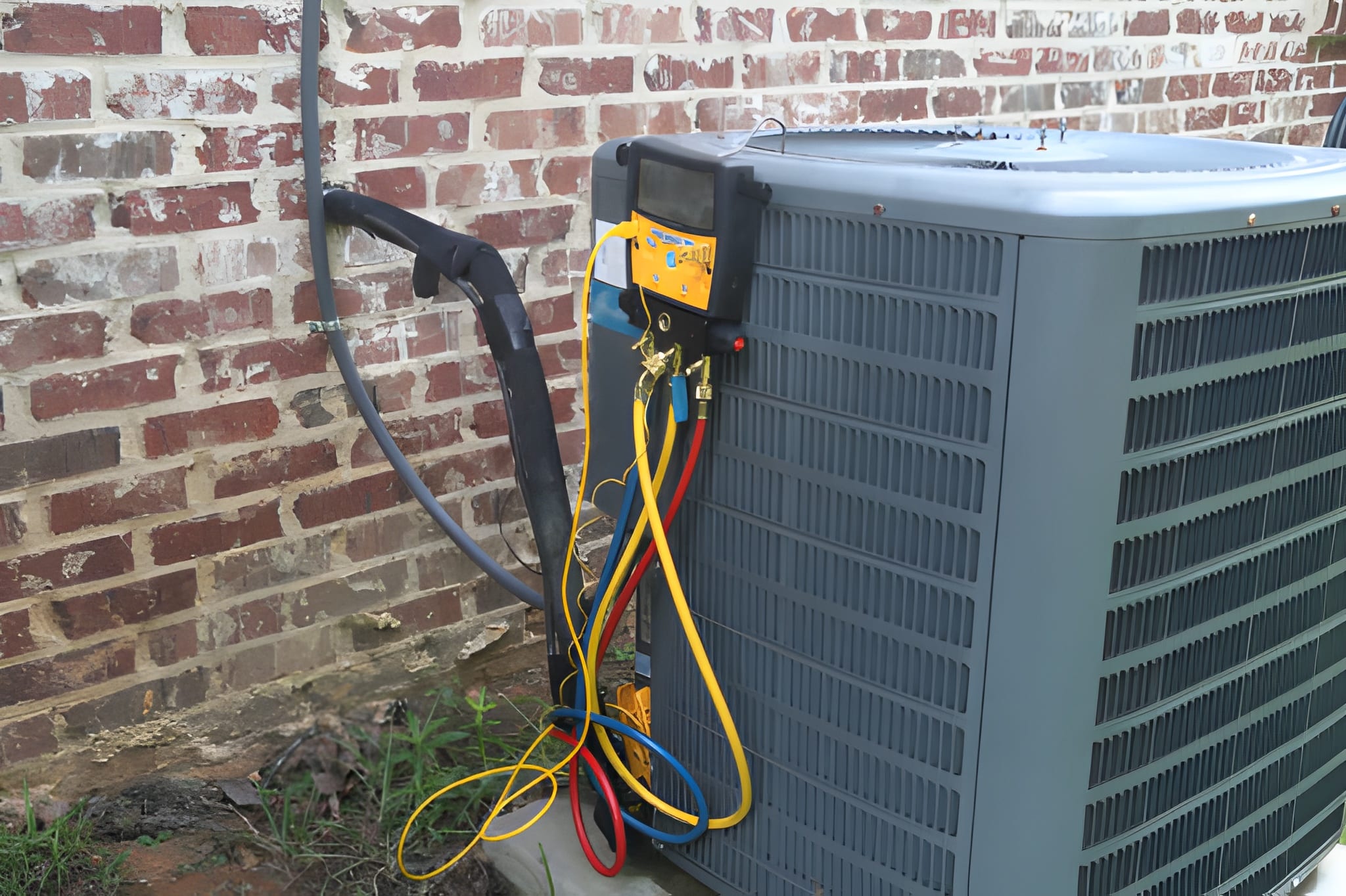
- Check refrigerant levels and pressures to detect leaks or improper charge
- Tighten electrical connections and inspect wiring for safety and reliability
- Lubricate moving parts such as fan motors and bearings where applicable
- Test safety controls and capacitors to ensure the system starts and stops correctly
- Verify thermostat operation and calibration for accurate temperature control
- Inspect and clean/replace air filters and check airflow across the system
- Clear and inspect the condensate drain for clogs or damage
- Measure system performance (temperature split and operating current)
- Inspect outdoor unit for debris, damaged fins, or signs of pest intrusion
Typical tune-up process and diagnostics
- Arrival and safety checks: technician powers down the system and performs a visual safety inspection.
- System start-up and baseline testing: thermostat and electrical start-up tests, measuring voltages and amperages.
- Airflow and filter inspection: evaluate return air and supply registers, assess filter condition and recommend replacements.
- Coil and condenser cleaning: remove built-up dirt, pollen, and ash that impair efficiency.
- Refrigerant and pressure check: measure pressures and temperatures to determine if refrigerant is within manufacturer specs.
- Component inspection and lubrication: check fan motors, belts (if present), capacitors, contactors, and relays.
- Condensate and drainage check: verify the drain path is clear and the condensate pump (if present) operates properly.
- Final performance test: measure temperature difference across the evaporator, verify stable operation, and leave a brief service summary of findings and recommended next steps.
Typical duration and what affects timing
- A standard seasonal AC tune-up for a typical split system usually takes about 60 to 90 minutes.
- Factors that extend service time include heavy coil cleaning, diagnosing refrigerant leaks, replacing major components, or performing compressor-related repairs.
- For lake cabins or homes that have been dormant, initial start-up inspections may take longer if the system requires additional cleaning or pest-related repairs.
Common AC issues discovered during tune-ups in Lake Wenatchee
- Reduced airflow from clogged filters, dirty coils, or obstructed outdoor units (leaves, pine needles, ash)
- Low refrigerant from slow leaks that cause poor cooling and higher run times
- Failing capacitors or contactors that lead to hard starts or intermittent operation
- Thermostat miscalibration or dead batteries causing short cycles or incorrect temperatures
- Condensate drain clogs that risk water damage and microbial growth, especially in vacation homes
- Rodent or insect nesting in outdoor units and ducts after winter vacancy
Typical repairs and solutions explained
- Refrigerant recharge and leak diagnosis: technicians locate leaks and repair or recommend options before recharging to restore proper pressures.
- Electrical repairs: tightening connections, replacing worn contactors, and swapping failed capacitors to stabilize starts and protect components.
- Coil restoration: professional cleaning and fin combing to recover lost efficiency; severe corrosion may necessitate component replacement.
- Fan and motor service: lubrication or replacement when bearings are noisy or motors draw excessive current.
- Drain clearing and trap servicing: remove blockages and treat or replace drain pan components to prevent water backup.
- Each repair is chosen to restore efficiency, reduce operating costs, and avoid repeat failures.
Performance and efficiency benefits
- Restored cooling capacity reduces run time and improves comfort during hot days
- Improved efficiency lowers energy use compared to a neglected system
- Extended equipment life by reducing wear on compressors, motors, and electrical parts
- Fewer emergency repairs during peak season when service demand is highest
- Better indoor air quality after cleaning coils and replacing filters, a valuable benefit during wildfire smoke periods
When to schedule a tune-up in Lake Wenatchee
- Schedule a seasonal tune-up in spring (April–May) before the main cooling season starts to ensure reliable operation when temperatures rise.
- For vacation properties or systems that remain off in winter, plan a start-up inspection before first use and consider an additional mid-summer check if the home experiences heavy, continuous occupancy.
- Because local technicians are busiest as summer begins, early-season scheduling helps avoid longer wait times during late May through July.
Maintenance tips for Lake Wenatchee homeowners
- Replace or check filters more frequently during wildfire smoke events or heavy pollen seasons.
- Keep at least 2 feet of clearance around the outdoor condenser and remove needles, leaves, and ash promptly.
- For unoccupied homes, perform a pre-season start-up rather than relying solely on winter covers; secure openings to prevent pests.
- Maintain a yearly service record and note any recurring issues to guide future maintenance or replacement decisions.
- Consider a mid-season inspection for homes with heavy use, pets, or known air quality concerns.
A seasonal AC tune-up is a practical investment in performance, efficiency, and reliability—especially for Lake Wenatchee properties exposed to seasonal use patterns and environmental stresses. Regular, professional maintenance addresses small problems before they become costly failures and helps your cooling system meet the unique demands of the area.