
AC Tune-Up in Malaga, WA

Scroll down to discover more
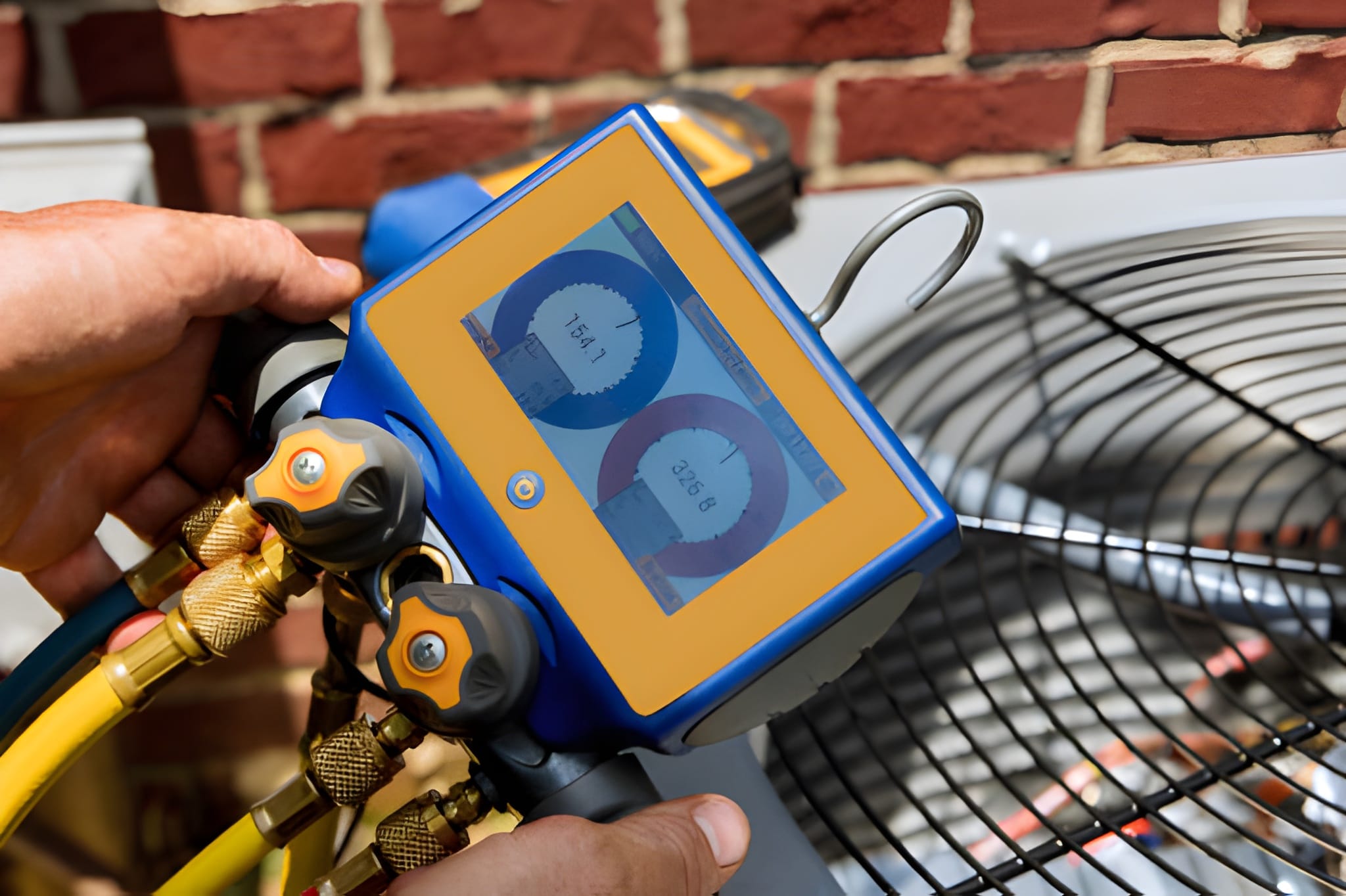
An AC tune-up for Malaga, WA provides a thorough, preventive inspection to improve efficiency, comfort, and reliability during hot summers. The service covers coils, filters, refrigerant checks, electrical connections, thermostats, airflow, and safety controls, with detailed findings and prioritized repair recommendations. Technicians perform diagnostic checks, measure performance, and explain results clearly. Most residential visits take about 60 to 90 minutes, with longer sessions for older systems or extensive cleaning. Regular annual tune-ups, or a maintenance plan, help prevent mid-season failures and extend equipment life.
AC Tune-Up in Malaga, WA
Keeping your air conditioner running reliably through Malaga summers starts with a thorough AC tune-up. In a region where dry, hot summers and occasional wildfire smoke increase cooling demand and indoor air-quality concerns, a focused tune-up prevents breakdowns, lowers energy use, and restores comfort quickly.
Why an AC tune-up matters in Malaga, WA
Malaga and the greater Wenatchee area experience hot, sunny summers and seasonal dust and pollen. These local conditions speed up dirt buildup on coils and filters and place heavier loads on systems. A tune-up addresses those stressors directly, reducing the risk of mid-season failures when temperatures peak and repair wait times can be longer.
Common AC problems in Malaga homes
- Reduced cooling capacity and longer run times
- Rising energy bills due to clogged coils, dirty filters, or low refrigerant
- Uneven cooling and short cycling
- Noisy operation from worn parts or loose electrical connections
- Poor indoor air quality after wildfire smoke or during orchard bloom
What an AC tune-up includes
A professional AC tune-up is a hands-on, itemized inspection and preventive servicing of your system. Typical tasks performed:
- Visual and safety inspection: Check system condition, safety controls, wiring, and electrical components for wear or hazards.
- Cleaning coils: Clean evaporator and condenser coils to restore heat transfer efficiency.
- Checking refrigerant level: Verify refrigerant charge and look for signs of leaks; correct refrigerant problems as needed.
- Tightening electrical connections: Secure and test electrical connections and terminals to prevent failures and reduce fire risk.
- Lubricating motors and moving parts: Apply lubricant to fan motors and bearings where applicable to reduce wear and noise.
- Calibrating thermostats: Verify thermostat accuracy and program settings so the system responds properly to temperature changes.
- Checking airflow: Inspect and measure airflow, clean or recommend replacement of filters, and check duct connections for obvious leaks or obstructions.
- Testing safety controls: Verify operation of safety switches, high/low pressure cutouts, and other protective devices.
- Measuring performance: Take basic performance measurements (temperature split across the evaporator, operating pressures) to benchmark system health.
Each tune-up includes documentation of findings and clear notes on recommended repairs or parts that may be needed soon.
Diagnostic process and transparency
A tune-up is more than routine cleaning. Technicians perform a diagnostic sequence to pinpoint root causes:
- Confirm complaints and observe operation at startup and steady state.
- Inspect both indoor and outdoor units, filters, and accessible ducts.
- Run performance checks to confirm cooling capacity and refrigerant condition.
- Test electrical components and safety features under load.
- Provide a concise service summary with any prioritized repair recommendations and estimated urgency.
This structured approach ensures you understand whether a simple adjustment will restore efficiency or if a replacement or larger repair is advisable.
Expected duration and what to plan for
- Typical residential AC tune-up in Malaga: 60 to 90 minutes for standard split systems.
- Longer sessions (90–150 minutes) may be needed for older systems, extensive cleaning, or if repairs are performed during the visit.
- Homeowner prep: clear access to the outdoor unit, thermostat area, and indoor air handler; remove obstacles or debris near equipment.
Technicians work efficiently to minimize disruption while completing all inspection points and performance checks.
Immediate performance improvements you can expect
After a complete tune-up, most homeowners notice:
- Faster and more consistent cooling throughout the home
- Lower energy use and reduced runtime due to improved efficiency
- Quieter operation with fewer vibrations and noises
- Faster recovery to set temperature after doors or windows are opened
- Improved indoor air quality from cleaner coils and filters
These improvements are especially noticeable the first time a system is serviced after an extended period without maintenance.
Recommended frequency
- Annual tune-up (minimum): Schedule before the cooling season — ideally in spring — to catch issues before heavy use.
- More frequent checks for higher-risk homes: If your home is near orchards, on a dusty lot, or you live with wildfire smoke concerns, consider biannual checks (spring and late summer) or enroll in a maintenance plan for more frequent attention.
Regular service prolongs equipment life and reduces emergency repairs.
How tune-ups fit into a maintenance agreement
A maintenance agreement provides structured, recurring care and additional homeowner protections:
- Scheduled seasonal tune-ups to ensure timely pre-season checks
- Priority scheduling during peak seasons or emergencies
- Discounted labor or parts for covered repairs
- Detailed service records to support warranty claims or system history for resale value
- Predictable budgeting for maintenance rather than sporadic emergency costs
For Malaga homeowners, a maintenance plan helps keep systems tuned for local weather patterns and the added strain from dust and pollen.
Long-term benefits and practical tips
Consistent tune-ups deliver measurable benefits:
- Extended lifespan of major components like compressors and motors
- Fewer mid-season emergency calls and less risk of costly breakdowns
- Better energy efficiency and lower utility bills over time
- Improved home comfort and air quality, particularly during wildfire events or dusty conditions
Practical homeowner tips between tune-ups:
- Replace or clean filters every 1 to 3 months depending on use and indoor air quality
- Keep outdoor unit clear of vegetation, debris, and dust buildup
- Use programmable thermostat settings to reduce unnecessary runtime
- Seal and insulate ducts where accessible to preserve airflow efficiency