
AC Tune-Up in Monitor, WA

Scroll down to discover more
AC Tune-Up in Monitor, WA
Keeping your air conditioning running reliably through Monitor, WA summers starts with a proper AC tune-up. Whether your home is near the orchards, along the Columbia valley, or in town, routine maintenance reduces breakdown risk, restores efficiency lost to dust and pollen, and helps your system handle heat spikes and wildfire smoke events. This page explains a typical AC tune-up in Monitor, WA, the full tune-up checklist, what to expect during an appointment, recommended frequency, and how tune-ups fit into a broader maintenance plan backed by a satisfaction guarantee.
Why an AC tune-up matters in Monitor, WA
Monitor experiences warm, dry summers, seasonal pollen from orchards, and occasional wildfire smoke that increases indoor air contaminants. Those local conditions accelerate coil fouling, clog filters faster, and lead to increased wear on motors and fans. A tune-up addresses these location-specific stressors by restoring airflow, verifying refrigerant levels, and ensuring electrical safety so your system runs more efficiently and consistently when you need it most.
Common AC tune-up issues in Monitor, WA
- Reduced cooling capacity due to dirty evaporator or condenser coils from dust, pollen, and smoke residue.
- Restricted airflow from clogged filters or blocked return vents.
- Electrical connection problems (loose terminals, failing capacitors) caused by frequent cycling.
- Improper thermostat calibration that leads to short cycling or uneven cooling.
- Refrigerant leaks or low charge from age or physical damage.
- Fan and motor wear from debris buildup and high run hours during summer peaks.
AC Tune-Up Checklist
A professional tune-up includes a systematic inspection, cleaning, and diagnostic testing. Typical items included in an AC tune-up in Monitor, WA:
- Thermostat calibration: Verify setpoints and temperature sensors for accurate control.
- Motor and blower inspection: Check motor bearings, blower wheel, belt condition (if applicable), and lubrication needs.
- Evaporator and condenser coil cleaning: Remove dirt, pollen, and smoke residue for optimal heat transfer.
- Condenser fin straightening: Repair bent fins to restore airflow through the outdoor unit.
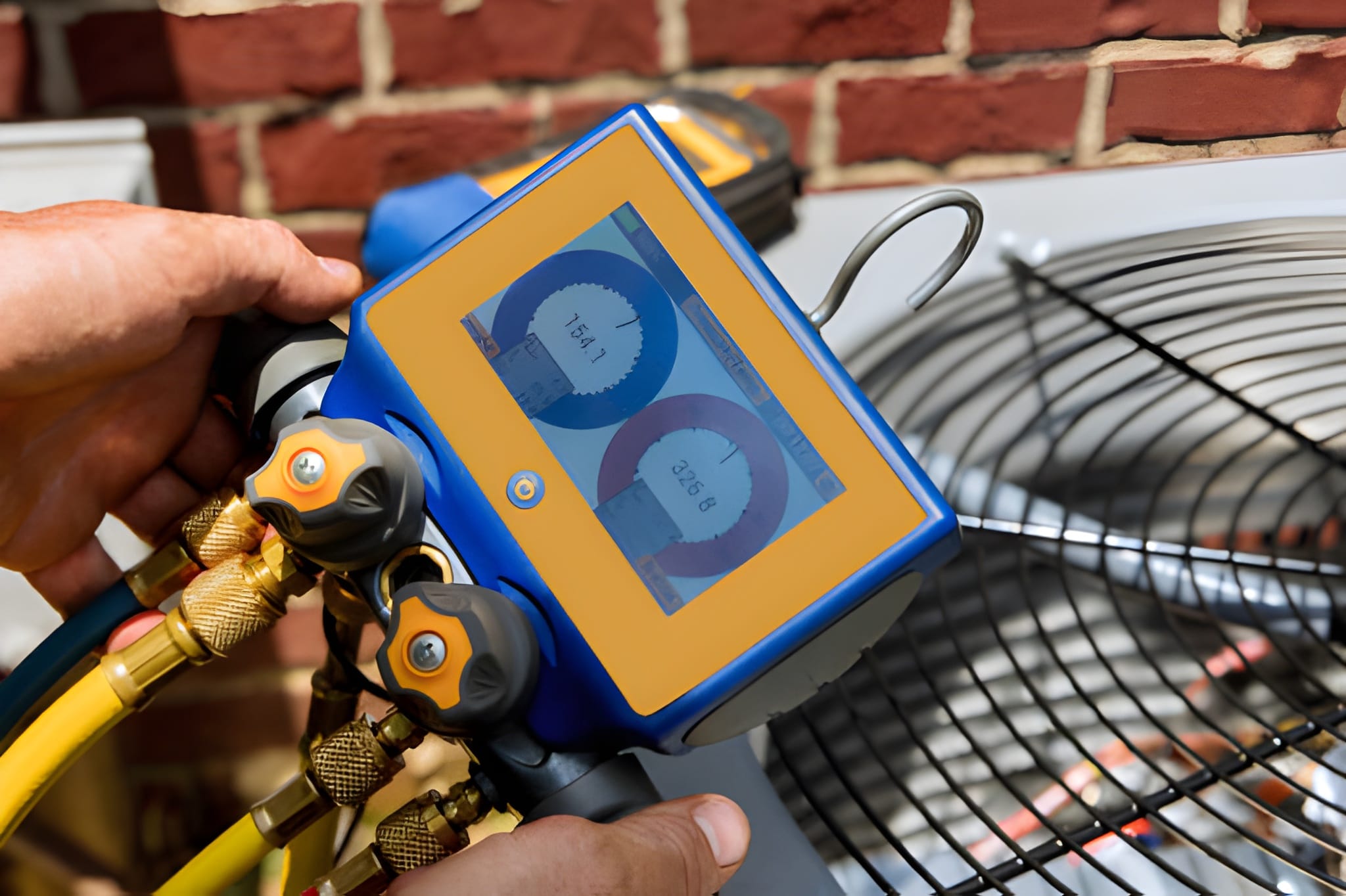
- Refrigerant check: Measure charge and pressures; inspect for visible leaks and note performance indicators.
- Electrical safety tests: Inspect breakers, fuses, contactors, capacitors, and tighten electrical connections; test amp draws against manufacturer specs.
- Airflow assessment: Measure static pressure and supply/return temperatures to verify proper airflow and duct performance.
- Filter inspection and replacement recommendation: Check filter type and condition; replace if required or recommend a schedule based on local dust and pollen loads.
- Drain line inspection and cleaning: Clear condensate drains and check for blockages to prevent water damage.
- System performance report: Record baseline temperatures, pressures, and observations for your maintenance history.
What to expect during your appointment
- Arrival and brief overview: A technician explains the service scope and any safety precautions before starting.
- Visual and operational inspection: Technicians run the system through a cycle and observe startup sequence, listening for unusual noises and noting run behavior.
- Diagnostic testing and cleaning: Coils and condenser are cleaned as needed, electrical connections are tested and tightened, and airflow measurements are taken.
- Findings and recommendations: You receive a written or verbal summary of issues found, recommended repairs, and parts that may need replacement now or in the near future.
- Safety checks: Technicians verify safe operation of electrical components and controls.
- Completion notes: The technician records readings (temperatures, pressures, amp draws) to build a maintenance history for future appointments.
Appointments are typically completed in one to two hours depending on system size and condition. If additional repairs are required, the technician will outline the cause and the repair options.
Benefits of regular AC tune-ups
- Improved efficiency: Clean coils and proper refrigerant levels restore cooling efficiency, lowering energy use during Monitor’s hot months.
- Greater reliability: Preventive maintenance catches small issues before they become emergency breakdowns on the hottest days.
- Longer equipment life: Routine inspections reduce wear on motors, compressors, and moving parts, extending the useful life of your system.
- Lower overall costs: Regular tune-ups reduce the frequency and severity of major repairs and can prevent premature replacement.
- Better indoor air quality: Clean coils, clear drains, and timely filter changes reduce dust, pollen, and smoke particles circulating in your home.
- Safety: Electrical checks and properly functioning controls reduce fire and system-failure risks.
Recommended frequency for tune-ups in Monitor, WA
- Annual comprehensive tune-up: At minimum, schedule a full AC tune-up once a year—preferably in spring before high use begins.
- Biannual service for heavy use or smoke-prone seasons: If you live near orchards, have heavy indoor dust, or experience frequent wildfire smoke, consider a spring and late-summer tune-up to keep performance steady.
- Additional checks: If the system shows signs of poor performance—strange noises, uneven cooling, rising energy bills—schedule a diagnostic check immediately.
How tune-ups fit into a broader maintenance plan
A tune-up is one element of an ongoing maintenance plan that keeps your HVAC system optimized year-round. A good maintenance plan typically includes:
- Scheduled seasonal inspections (spring for AC, fall for heating)
- Detailed service records and performance baselines
- Priority scheduling during peak seasons
- Proactive recommendations for parts that need replacement based on condition, not just failure
Regular tune-ups also support warranty requirements for many manufacturers and help preserve resale value when maintenance records are available. In Monitor, WA, where local conditions can accelerate wear, a structured maintenance plan provides predictable upkeep and peace of mind backed by a satisfaction guarantee.