
AC Tune-Up in Rock Island, WA

Scroll down to discover more
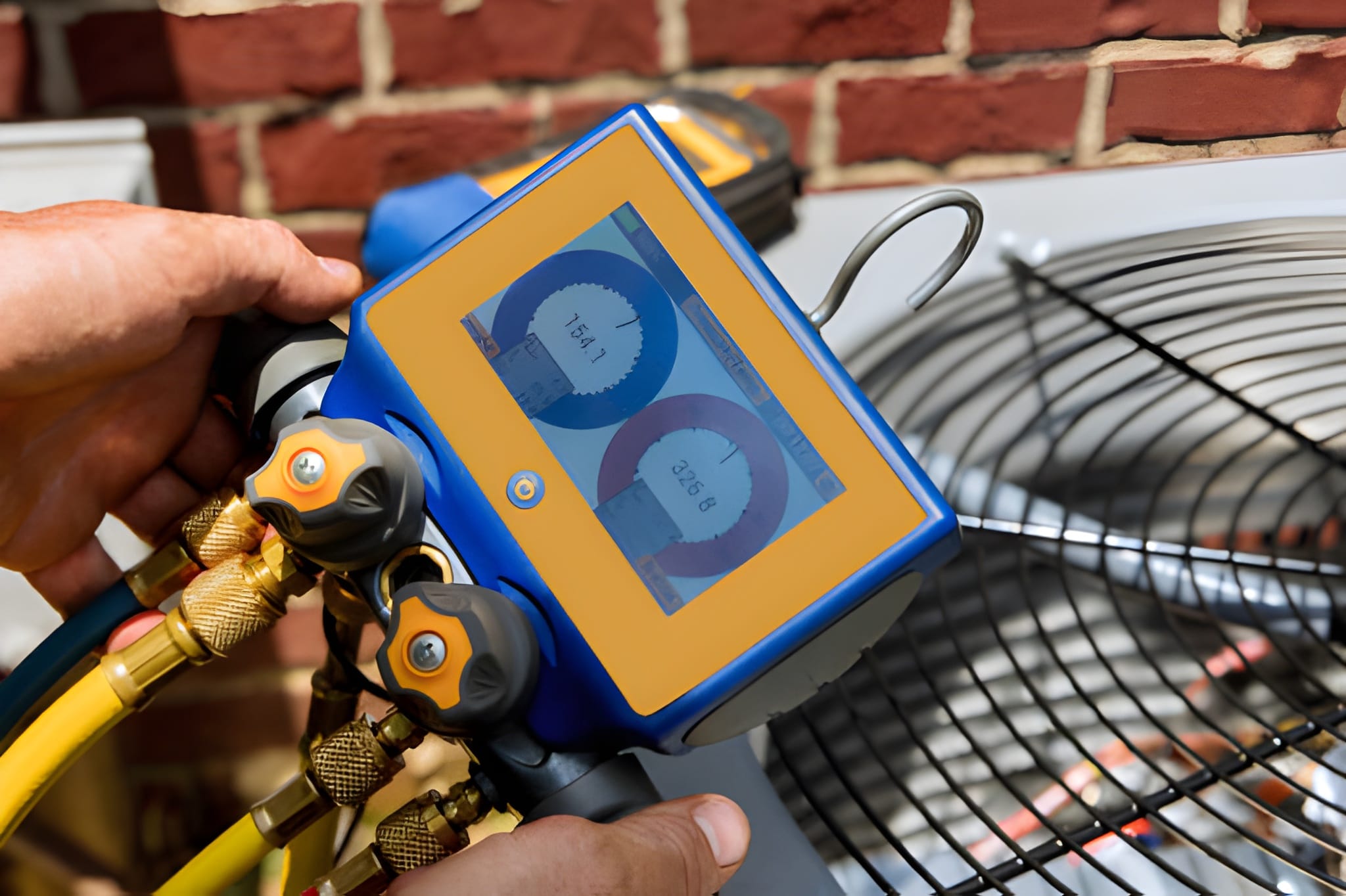
An AC tune-up in Rock Island, WA delivers reliable comfort by addressing climate-specific wear, verifying safe operation, and providing a clear, itemized report with recommended repairs. The service covers thermostat calibration, belt and motor checks, electrical safety, refrigerant verification, coil cleaning, airflow evaluation, and performance testing. Regular tune-ups extend equipment life, improve efficiency, reduce summer breakdowns, and promote consistent indoor comfort. Between visits, homeowners should change filters, keep the condenser clear, and monitor unusual noises.
AC Tune-Up in Rock Island, WA
A timely AC tune-up in Rock Island, WA keeps your system running efficiently, prevents mid-summer breakdowns, and lowers energy costs. With hot, dry summers, sun-exposed rooftops, and seasonal dust from orchards and irrigation, Rock Island homes put extra stress on air conditioning systems. A focused tune-up addresses the specific wear points that cause common failures here, verifies safe operation, and delivers a clear summary report with recommended repairs or improvements so you know exactly what needs attention.
Why a Rock Island AC tune-up matters
- Local climate stress: High summer temps and dusty conditions increase compressor and coil strain, raising the risk of overheating and reduced airflow.
- Preventive value: Most breakdowns are preceded by measurable declines in performance that a tune-up will catch early.
- Efficiency and comfort: A calibrated, clean system cools faster, maintains more consistent indoor temperatures, and uses less electricity.
- Equipment life: Routine maintenance reduces wear on motors, belts, and electrical parts, extending the useful life of your unit.
What a full AC tune-up includes
A professional tune-up performs targeted checks and maintenance tasks to optimize performance and safety. Typical items covered:
- Thermostat calibration and operation
- Verify thermostat reading against actual air temperature.
- Confirm correct cycle timing, fan operation, and control settings.
- Recommend upgrades if existing controls are limiting efficiency.
- Belt and motor inspection
- Inspect drive belts for wear, glazing, or slack; adjust or note replacement needs.
- Check blower and condenser fan motors for noisy bearings, proper lubrication, and secure mounts.
- Measure motor amperage to identify motors drawing excess current.
- Electrical connection and safety checks
- Tighten all accessible electrical connections and inspect contactors, capacitors, and fuses.
- Test system startup and safety controls to ensure reliable operation under load.
- Identify potential fire or failure hazards caused by loose or corroded wiring.
- Refrigerant level verification
- Measure pressures and determine if refrigerant charge is within manufacturer specifications.
- Confirm there are no obvious signs of leaks; explain that leak diagnosis and repair require certified handling.
- Note that correct refrigerant charge is essential for efficiency and compressor longevity.
- Condenser and evaporator coil cleaning
- Remove dirt, pollen, and debris that reduce heat transfer on the outdoor condenser coil.
- Clean indoor evaporator coil to restore airflow and cooling capacity.
- Inspect and clear condensate drain and pan to prevent backups and mold growth.
- Airflow and duct evaluation
- Measure airflow performance and inspect filters and accessible ductwork.
- Recommend filter replacement frequency and simple duct sealing measures if leaks are evident.
- Identify obstructions that reduce system capacity, such as blocked returns or closed vents.
- System performance tests
- Record operating temperatures, pressures, and electrical readings to compare against ideal ranges.
- Evaluate overall cooling capacity and cycle behavior under simulated load.
- Summary report with recommended repairs or improvements
- Provide an itemized report listing findings, urgency levels, and suggested next steps.
- Highlight safety concerns, efficiency improvements, and parts that will prevent future failures.
- Include notes on warranty-related maintenance that helps preserve coverage.
- Provide an itemized report listing findings, urgency levels, and suggested next steps.
Common AC tune-up issues in Rock Island homes
- Clogged condenser coils and reduced airflow from dust, pollen, and orchard debris.
- Low refrigerant due to slow leaks accelerated by fluctuating outdoor temperatures.
- Overstressed compressors during prolonged heat spells.
- Worn blower belts and noisy motors from age and heavy seasonal use.
- Dirty or old filters causing restricted airflow and icing on the evaporator coil.
- Electrical contactor failures or capacitor wear leading to intermittent starts or hard starting.
What you can expect after a tune-up
- Improved cooling and temperature stability: Systems reach and maintain set temperatures faster.
- Lower utility bills: Cleaner coils, proper refrigerant levels, and tuned controls reduce wasted energy.
- Fewer emergency repairs: Early detection of issues lowers the chance of heat-wave failures.
- Cleaner indoor air: Coil and drain cleaning combined with proper filtration reduce dust and microbial growth.
- A clear maintenance record: The summary report documents work performed and helps prioritize future repairs.
Timing and frequency recommendations
- Schedule a comprehensive AC tune-up before the cooling season begins, typically in spring. This is especially important in Rock Island to ensure readiness for early heat waves.
- Annual tune-ups are recommended for most homes. Homes with heavy use, pets, or high dust exposure may benefit from twice-yearly inspections.
- If your system is older than 10 years or has had prior refrigerant or compressor issues, consider more frequent check-ins and monitoring.
Simple homeowner steps between tune-ups
- Change or clean filters every 1 to 3 months depending on use and dust levels.
- Keep the outdoor condenser clear of vegetation, debris, and irrigation spray.
- Check thermostat batteries and settings seasonally.
- Note any unusual noises, weak airflow, or cycling behavior and have them inspected promptly.
A focused AC tune-up in Rock Island, WA is practical protection for your comfort and your investment. By addressing thermostat calibration, belt and motor health, electrical safety, refrigerant charge, coil cleanliness, and providing a transparent report with recommended repairs, a tune-up reduces risk, improves efficiency, and keeps Rock Island homes comfortable throughout the hot months.