
Heat Pump Installation in Entiat, WA

Scroll down to discover more
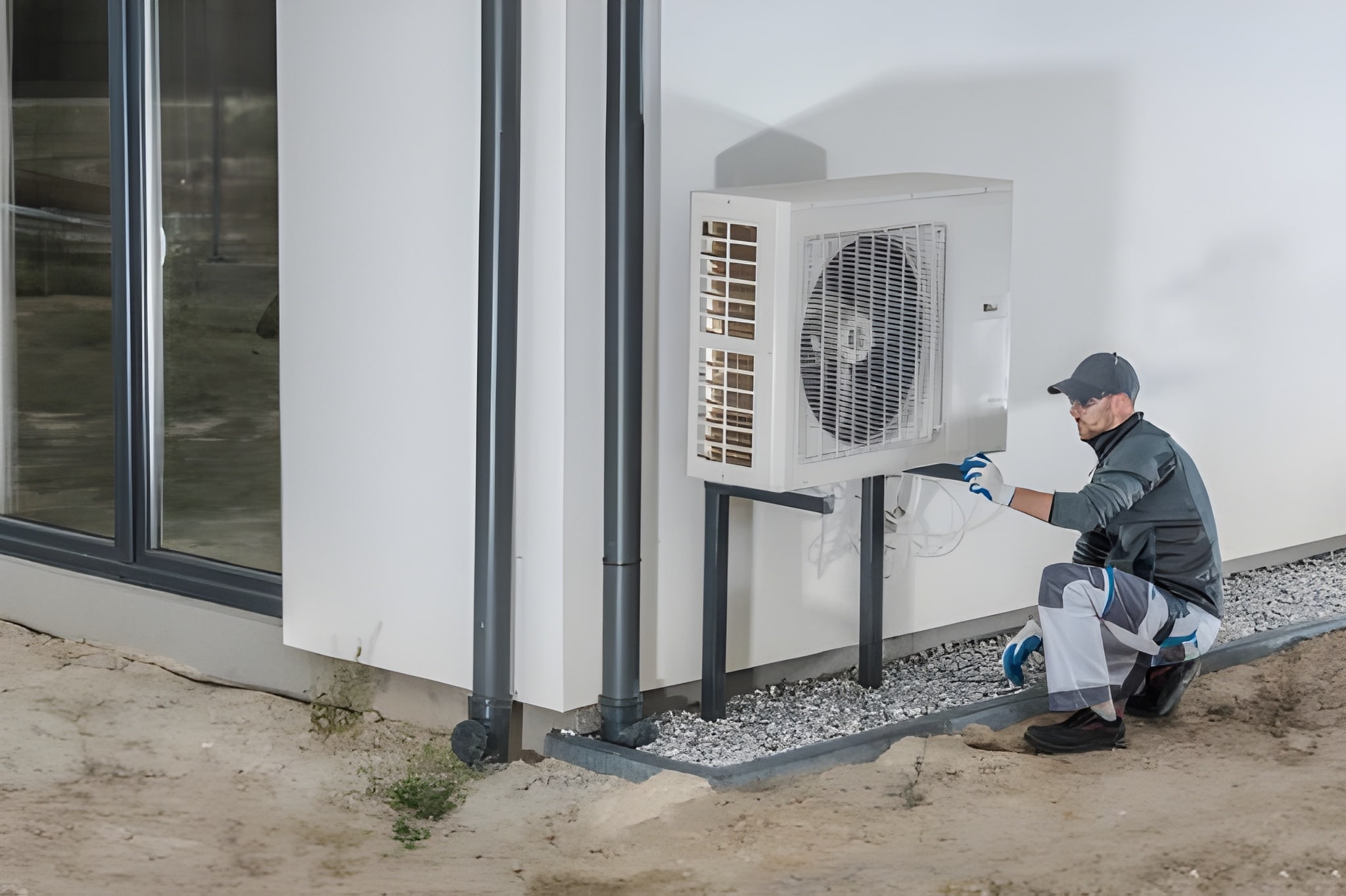
Heat Pump Installation in Entiat, WA
A properly sized and installed heat pump delivers year-round comfort, lower energy bills, and reliable heating through Entiat’s hot summers and cold winters. We help you understand the full heat pump installation process for Entiat, WA homes — from the first consultation and load calculations to permitting, commissioning, and long-term maintenance. It also covers common installation considerations unique to Entiat properties, typical timelines, and the types of rebates and financing homeowners often find available.
Why a heat pump makes sense in Entiat, WA
- Entiat’s climate includes warm, dry summers and cool winters with occasional cold snaps and snow. Modern cold-climate heat pumps efficiently heat homes even at lower outdoor temperatures while also providing efficient cooling in summer.
- Many homes in the Entiat area are on local utility grids with a strong renewable generation mix, which can increase the environmental advantage of switching from fossil-fuel heating to electric heat pumps.
- Heat pumps are well suited for a range of local homes: single-family houses, renovated older homes, and new construction where ductwork or ductless options can be matched to the building.
Common heat pump installation services and issues in Entiat
- Load calculation and system sizing mistakes that lead to oversized or undersized equipment
- Ductwork limitations in older homes (leaky, undersized, or missing ducts)
- Outdoor unit siting issues (snow load, limited clearance, vibration)
- Permitting and local code compliance for Chelan County and Washington state
- Refrigerant handling and performance optimization in colder outdoor conditions
Initial consultation and load calculations
- A professional installation begins with an on-site consultation and a Manual J load calculation (or equivalent). This determines your home’s heating and cooling loads based on insulation, orientation, window types, occupancy, and local climate factors.
- The calculation guides equipment selection: correct capacity (not simply the largest unit available), expected efficiency, and whether a ducted, ductless mini split, or hybrid solution is best.
- Expect the consultant to inspect attic and crawlspace insulation, duct condition, existing electric service, and the best outdoor/indoor unit locations.
System selection: size and efficiency
- Capacity: Proper sizing prevents short cycling, noise issues, and excessive wear. Installers use the load calculation to choose a unit with the right nominal and part-load performance.
- Efficiency metrics: SEER and HSPF indicate cooling and heating efficiency; cold-climate heat pumps also report coefficient of performance (COP) at lower temperatures. Variable-speed (inverter) compressors provide better comfort and lower running costs.
- System type: Options include:
- Ducted heat pumps (works with existing duct systems)
- Ductless mini splits (ideal for homes without ducts or for room-by-room control)
- Hybrid systems (heat pump paired with a gas or electric backup for peak cold)
- Accessory components: thermostats, line sets, pad or mounting options for outdoor units, and any required electrical upgrades.
Site preparation and ductwork considerations
- Outdoor unit siting: locate the outdoor unit where it has good airflow, minimal snow accumulation, and secure, level support. Consider noise and neighbors.
- Ductwork: if ducts are present, assess for leaks, proper sizing, and insulation. Sealing and insulating ducts can improve system performance significantly.
- Indoor unit placement: for ductless systems, indoor heads should provide balanced airflow and avoid direct drafts onto occupants.
- Electrical service: some heat pumps require upgraded electrical panels or dedicated circuits. Confirm available service before ordering equipment.
Permitting and local code compliance
- Permits and inspections are typically required for HVAC upgrades in Chelan County and by Washington state code. Permitting ensures proper refrigerant handling, electrical compliance, and code-conforming installation.
- The installer should prepare permit applications, submit required documentation, and coordinate inspections. Expect local inspection items like refrigerant charge verification, ductwork installation, and electrical compliance.
Step-by-step installation timeline (typical)
- Initial consultation and load calculation (1 appointment)
- System selection and permit submission (several days to 2 weeks depending on permitting)
- Equipment ordering and delivery (1–2 weeks depending on availability)
- Site preparation (duct sealing, electrical groundwork) — 0.5 to 1 day
- Mechanical installation (outdoor unit, indoor unit(s), refrigerant lines, duct connections) — 1 to 3 days for most single-family homes
- Commissioning, testing, and walkthrough — same day as install
- Final inspection scheduling and completion — timing depends on local inspector availability
Actual timelines can vary by home complexity, permit processing time, and seasonal demand.
Post-install testing and commissioning
- Refrigerant charge and superheat/subcooling checks to ensure correct refrigerant levels
- Airflow measurements and static pressure checks to confirm duct system performance
- Electrical verification (amperage, voltage, disconnects)
- Thermostat programming and control system verification, including defrost cycle behavior for cold weather operation
- System balancing and occupant orientation on filters, settings, and simple troubleshooting
Proper commissioning ensures peak performance, efficiency, and longevity.
Available rebates and financing options
- Many homeowners in Washington qualify for utility rebates, state energy incentives, and federal tax incentives for heat pump installations and related upgrades. Local utilities, state programs, and energy-efficiency initiatives often provide rebates for high-efficiency equipment or whole-home upgrades.
- Financing options are commonly available through lenders, manufacturers, or special energy-efficiency financing programs. Typical offers include low-interest loans or on-bill financing from certain utilities.
- Because programs change, homeowners should confirm current eligibility, required documentation (like pre- and post-inspections), and any performance or installer requirements that affect rebate qualification.
Warranty and maintenance recommendations
- Manufacturer warranties typically cover compressors and major components; extended warranties and installer guarantees may be available. Keep all documentation for warranty transfers or claims.
- Recommended routine maintenance:
- Replace or clean filters monthly to quarterly depending on filter type and home conditions
- Annual professional tune-up that includes refrigerant checks, electrical tests, coil cleaning, and system performance evaluation
- Keep outdoor unit clear of debris, snow, and vegetation; maintain 24–36 inches of clearance around the unit
- Monitor system performance and address irregular noises or short cycling promptly to prevent larger issues
- A regular maintenance plan prolongs equipment life, preserves efficiency, and helps protect warranty coverage.