Heat Pump Installation in Wenatchee Heights, WA

Scroll down to discover more
Heat Pump Installation in Wenatchee Heights, WA
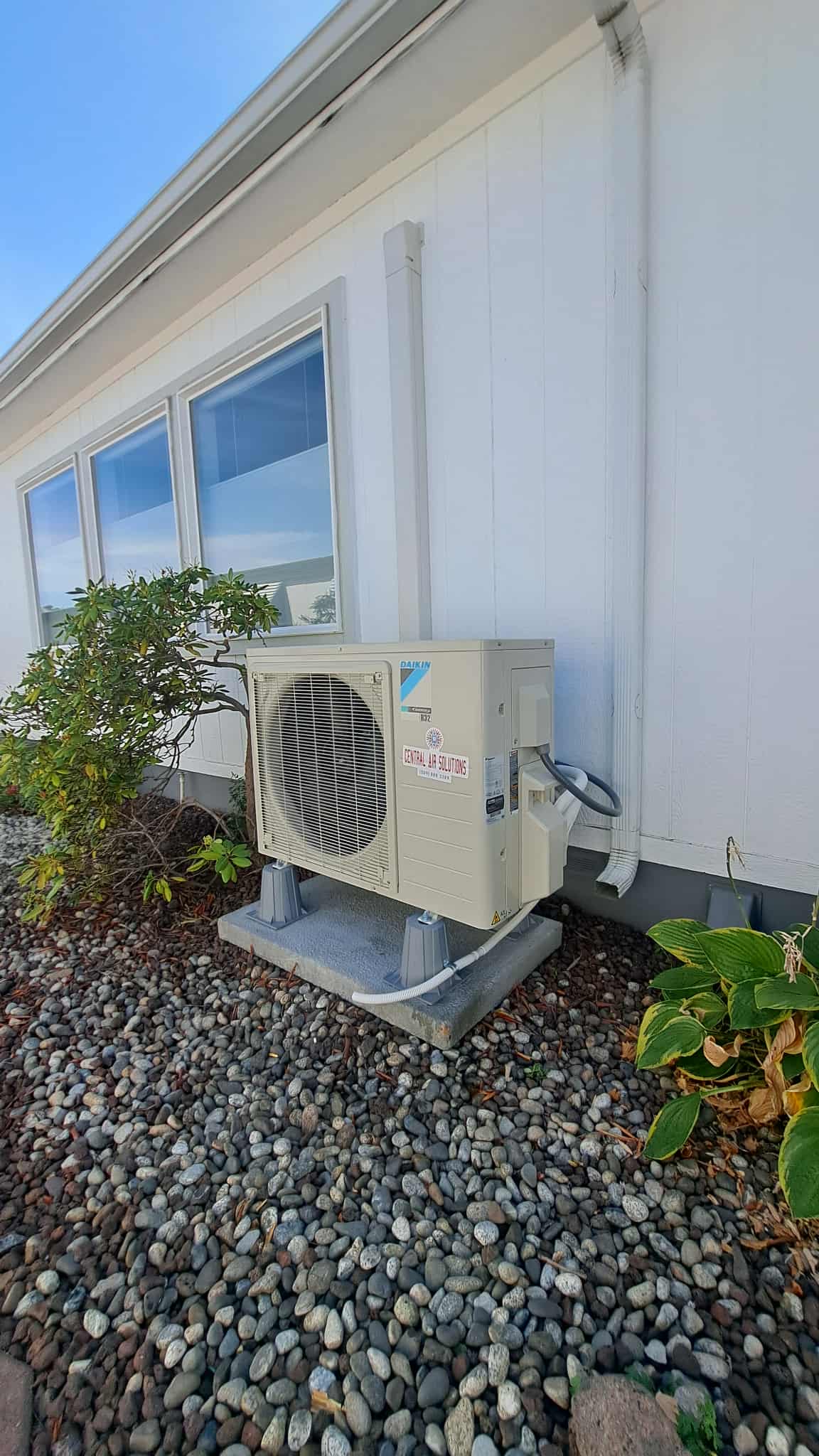
Heat pump installation in Wenatchee Heights, WA is a high-value home upgrade for homeowners balancing hot, dry summers and cold winter nights. A properly sized, professionally installed heat pump provides reliable year-round comfort, lower utility bills compared with resistive heating, and a durable cooling solution suited to Central Washington climate swings.
Why a heat pump is a smart choice in Wenatchee Heights
- Efficient heating: Modern heat pumps extract heat from outdoor air even at cool temperatures, delivering several times more heat energy than the electricity they consume.
- Year-round comfort: Heat pumps provide both heating and cooling in one system, which is useful in Wenatchee Heights where summers can be warm and winters brisk.
- Energy savings and emissions reduction: Upgrading from older electric resistance or aging furnace systems typically lowers monthly energy use and carbon footprint.
- Compatibility: Heat pumps are available as ducted systems for homes with existing ductwork and as ductless mini splits for additions, older homes, or rooms that need independent temperature control.
Common heat pump types and common installation issues in Wenatchee Heights
- Air-source split systems - most common choice for single-family homes; offer strong efficiency and simpler installation.
- Ductless mini splits - ideal for homes without ducts, additions, or targeted zone control.
- Hybrid systems - combine a heat pump with a gas furnace for very cold periods or for homes with existing fossil-fuel equipment.
- Ground-source (geothermal) - highly efficient but requires larger upfront investment and suitable yard space.
Common local installation concerns:
- Undersized or oversized systems due to poor load calculations, causing short cycling or insufficient comfort.
- Inadequate ductwork or poorly sealed ducts that negate heat pump efficiency gains.
- Incorrect refrigerant charge or airflow settings that reduce capacity and shorten equipment life.
- Placement challenges for outdoor units to avoid dust, irrigation spray, or restricted airflow in compact lot layouts common in neighborhood lots.
Site assessment, load calculations, and model selection
A reliable installation begins with a detailed site assessment and Manual J load calculation. This determines heat loss and heat gain specific to your Wenatchee Heights home based on:
- Building orientation, insulation levels, window types, and home size
- Local climate data and typical temperature extremes for Central Washington
- Occupant habits and thermostat settings
Model selection and sizing should prioritize:
- Proper capacity to meet calculated loads without excessive cycling
- High seasonal efficiency ratings (SEER for cooling, HSPF or HSPF2 for heating)
- Features like variable-speed compressors and advanced controls for better comfort and efficiency
- Equipment matched to existing ductwork or recommendations for duct upgrades or zoning
Permitting and code compliance in Wenatchee Heights
Professional installations include handling necessary permits and meeting local codes. Typical requirements include:
- Electrical permits for new circuits and disconnects sized to the unit
- Mechanical permits for refrigerant piping and equipment location
- Compliance with state and local energy codes that affect insulation, duct sealing, and system efficiency
- Proper refrigerant handling and documentation to meet environmental regulations
Permitting ensures the work is inspected and recorded, protecting homeowners and validating equipment warranties.
Professional installation procedures and commissioning
A quality installation follows clear steps:
- Site preparation and coordination with homeowner for equipment placement and access
- Precise refrigeration line fabrication, electrical connections, and control wiring
- Ductwork modifications or new duct installations when needed, including sealing and insulation
- System startup, followed by commissioning checks such as airflow measurement, refrigerant charge verification, and electrical draw testing
- Thermostat programming and demonstration of system operation for occupants
- Documentation of system settings, warranty registration, and permit closeout paperwork
Commissioning and performance testing confirm the system operates to design expectations and identify any balancing or airflow adjustments before final signoff.
Rebates, incentives, and financing options
Homeowners in Wenatchee Heights often qualify for multiple financial incentives that reduce net installation cost:
- Federal tax credits for qualifying energy-efficient heat pumps
- State or utility rebates for high-efficiency equipment or electrification upgrades
- Local incentives tied to energy efficiency programs or weatherization efforts
Financing options commonly used:
- Low-interest home improvement loans and personal financing
- HVAC-specific financing plans offered by lenders
- Property-assessed financing programs available in some areas
- Utility on-bill repayment or incentive-accelerated programs
A realistic payback analysis compares upfront investment, available incentives, and projected energy savings over time to help homeowners evaluate options.
Post-installation maintenance and performance care
Planned maintenance preserves efficiency and extends equipment life. Recommended actions include:
- Biannual professional tune-ups: verify refrigerant levels, clean coils, inspect electrical connections, and test controls
- Regular filter changes and indoor unit cleaning on ductless systems
- Annual duct inspections and sealing if applicable
- Monitoring thermostat schedules and smart controls to avoid unnecessary runtime
Maintenance plans that include seasonal inspections and priority service help keep system performance at peak levels and protect manufacturer warranties.
Why choose a local, family-owned provider backed by a satisfaction guarantee
Working with a local, family-owned installer provides distinct advantages for Wenatchee Heights homeowners:
- Deep knowledge of local climate patterns, common home construction types, and neighborhood constraints
- Faster response times for service, warranty work, and seasonal maintenance
- A focus on long-term customer relationships rather than one-off transactions
- Transparency in permitting and documentation so systems remain code compliant and resale-friendly
A satisfaction guarantee adds an extra layer of protection, ensuring that installations are completed to the homeowner’s expectations and that follow-up work is handled responsibly.