
Heat Pump Repair in George, WA

Scroll down to discover more
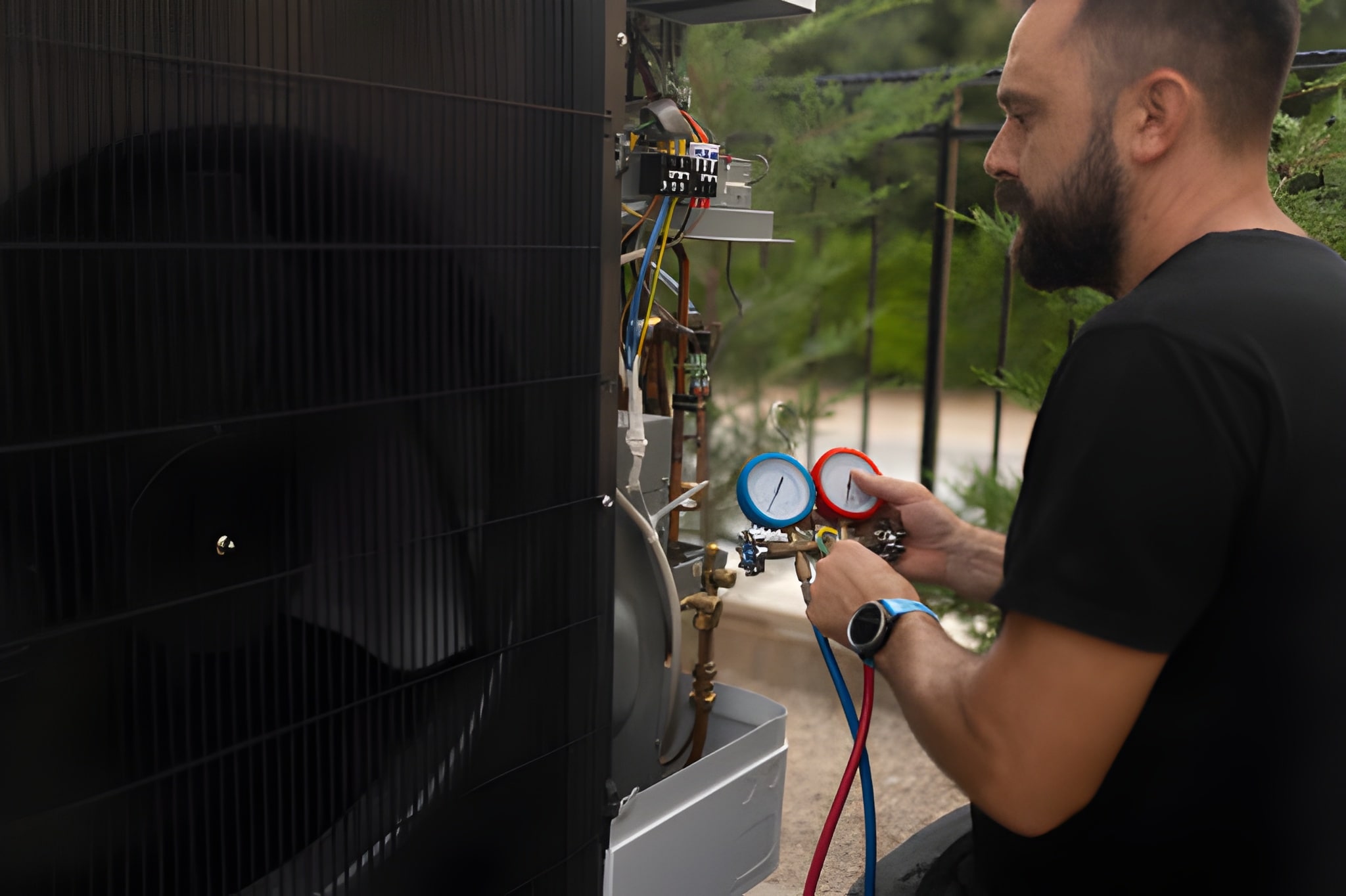
Heat Pump Repair in George, WA
Keeping your heat pump running reliably matters year-round in George, WA. With hot, dry summers and chilly winter nights near the Columbia River Gorge, homeowners face both heavy cooling demand and occasional freezing conditions that expose weaknesses in aging or poorly maintained systems.
Why timely heat pump repair matters in George, WA
Heat pumps handle both heating and cooling, so a single fault can leave your home uncomfortable across seasons. Local factors that increase the need for prompt service include:
- High summer cooling loads that stress compressors
- Dust, pollen, and agricultural debris that foul outdoor coils and filters
- Occasional high winds that introduce debris and reduce unit efficiency
- Hard irrigation water and mineral dust that accelerate corrosion on outdoor components
Delaying repairs often leads to higher energy bills, reduced comfort, and more expensive failures later. The following sections help you diagnose and understand typical solutions.
Common heat pump symptoms and likely causes
Recognizing symptoms early helps prioritize repairs. Common issues seen in George, WA homes include:
- No heat or no cooling
Possible causes: thermostat issues, lost refrigerant, failed reversing valve, compressor or control board failure, or blown fuses. - Short-cycling (turning on and off frequently)
Possible causes: oversized system, defective thermostat, refrigerant restrictions, or failing compressor that trips internal protection. - Unusual noises (clanking, grinding, rattling)
Possible causes: loose panels, failing fan motor, compressor bearing failure, or debris in the outdoor unit. - Reduced efficiency or poor airflow
Possible causes: dirty coils or filters, blocked ducts, failing capacitor or blower motor, low refrigerant charge, or refrigerant leaks. - Ice buildup on outdoor unit or in defrost cycle problems
Possible causes: faulty defrost control or sensor, low refrigerant, or restricted airflow across coils.
Diagnostic steps technicians use on-site
A professional technician follows a methodical diagnostic approach that is non-invasive and focused on accurate fault identification:
- Confirm setup and thermostat settings and review recent operating history
- Inspect air filters, indoor and outdoor coils, and vents for blockages or damage
- Measure airflow, static pressure, and electrical values (voltage and amperage)
- Check refrigerant pressures and temperatures to identify leaks or restrictions
- Evaluate defrost cycle timing and reversing valve operation
- Test run components such as compressor, fan motors, contactor, capacitors, and controls
- Scan control board error codes and continuity of sensors
Documenting the diagnosis helps prioritize parts replacement and prevents unnecessary work.
On-site troubleshooting and typical parts replacement
Common on-site repairs in George include:
- Cleaning or replacing air filters and clearing outdoor coil debris to restore efficiency
- Replacing capacitors, contactors, relays, or fan motors that fail electrical testing
- Repairing refrigerant leaks, recovering and recharging to manufacturer specifications, and replacing damaged lines or fittings
- Replacing defrost sensors, valves, or control boards to fix icing and defrost issues
- Repairing or replacing compressors when internal failure is confirmed
- Tightening or replacing mounting hardware and panels to eliminate noise and vibration
Technicians prioritize fixes that restore safe operation and efficiency. When refrigerant leaks are repaired, the system is leak-tested and brought back to the correct charge to prevent repeat problems.
Emergency and same-day repair options
Heat pump failures during heat waves or freezing nights require fast attention. Many service providers offer emergency or same-day response options and triage calls to address immediate safety and comfort concerns. Emergency work typically focuses first on:
- Restoring basic heating or cooling function
- Securing and stabilizing failing components to prevent further damage
- Providing temporary fixes and clear recommendations for permanent repair
Expect expedited diagnostics and prioritized parts sourcing when same-day response is available.
Typical repair timelines and what to expect
Repair timelines vary by issue complexity:
- Simple fixes (filters, cleaning, capacitor or contactor replacement): a few hours on-site
- Refrigerant leak repair and recharge, sensor or valve replacement: most of a day depending on access and parts availability
- Major component replacements (compressor, reversing valve, control board): may require a full day or scheduling for part delivery
Planning for the repair day helps minimize disruption. Technicians will explain estimated time once the diagnosis is complete.
Warranty and labor guarantee information
Understanding warranty coverage reduces unexpected costs. Typical warranty structures include:
- Manufacturer parts warranty covering specific parts for a set number of years (often 5 to 10 years on major components depending on model)
- Compressor warranties that are sometimes longer than other components
- Labor guarantees from the service provider that commonly range from 30 days to one year on repairs, depending on the policy
Always request written details of both parts and labor warranties before work begins. Proper documentation clarifies responsibilities for repeated issues and ensures future warranty claims can be supported.
Tips to prevent future breakdowns in the George area
Regular maintenance is the most effective way to avoid emergency repairs, especially with local environmental factors. Recommended preventative measures include:
- Schedule seasonal tune-ups before peak cooling and heating seasons
- Replace filters every 1 to 3 months during heavy use
- Keep outdoor unit clear of wind-blown debris, vegetation, and lawn clippings
- Maintain good airflow at vents and inspect ducts for leaks or blockages
- Clear snow and ice from the outdoor unit in winter and check defrost operation
- Monitor system performance and energy bills for sudden changes that indicate trouble
Simple homeowner care plus professional annual maintenance extends equipment life and keeps efficiency high.
When to repair versus replace
Deciding between repair and replacement depends on several factors:
- Age of the system: older units near or past expected service life are more likely candidates for replacement
- Frequency and cost of repairs: repeated, costly failures indicate replacement is more economical long term
- Efficiency and comfort needs: upgrading can deliver lower energy bills and better zoning or capacity for local extremes
- Extent of component failure: a single failed part on a relatively new system is usually worth repairing; catastrophic compressor failure on an older unit may favor replacement
A practical decision weighs repair cost against remaining lifespan and energy savings from a newer system. Technicians can provide an objective comparison based on measured performance and local climate demands.