
Heat Pump Repair in Monitor, WA

Scroll down to discover more
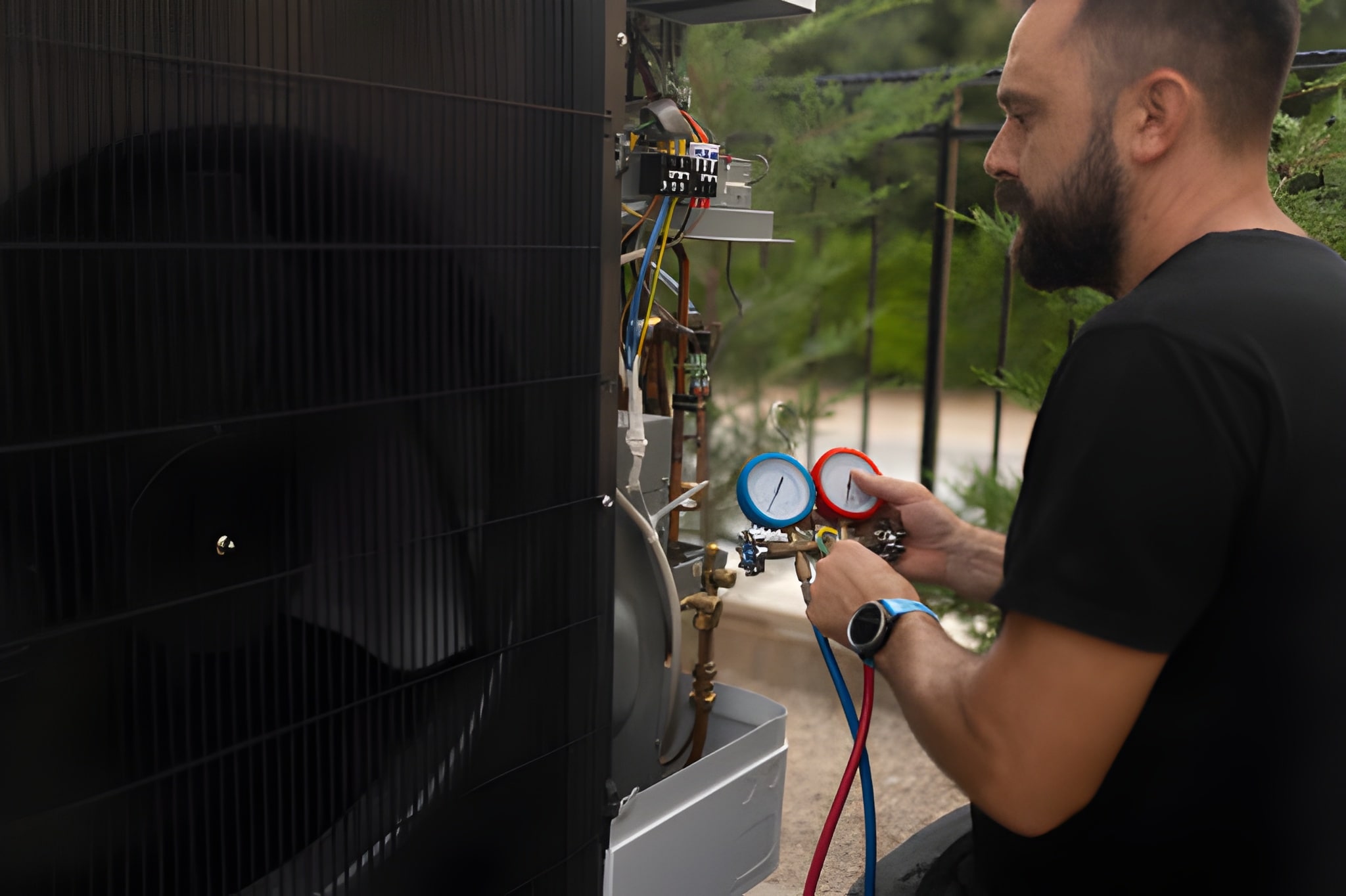
Heat Pump Repair in Monitor, WA
Heat pumps are the backbone of year-round comfort in Monitor, WA—handling both summer cooling and winter heating in homes across the Columbia River valley. When a heat pump fails, it quickly becomes an urgent problem: lost comfort, higher energy bills, and potential damage to system components.
Why timely heat pump repair matters in Monitor, WA
Monitor experiences hot, dry summers and cold winters with sharp temperature swings in spring and fall. Those conditions mean heat pumps cycle heavily through the year. Dust from nearby orchards and irrigation can clog coils and filters, while freezing overnight temperatures stress outdoor components. Prompt repair restores comfort, improves efficiency, prevents compressor damage, and helps keep systems under manufacturer warranty.
Common heat pump problems in Monitor, WA
Homeowners in Monitor commonly see the following faults:
- Compressor issues: Reduced cooling/heating capacity, loud humming or clicking, or a unit that won’t start. Compressors fail from electrical faults, refrigerant contamination, or mechanical wear.
- Refrigerant leaks: Low refrigerant lowers performance and can freeze coils. Leaks are often hidden at brazed joints, valves, or evaporator coil seams.
- Electrical failures: Burned contactors, failed capacitors, tripped breakers, or corroded wiring prevent the system from starting or cause intermittent operation.
- Thermostat and sensor problems: Wrong temperature readings, short cycling, or failure to change modes can come from miscalibration, wiring issues, or failed sensors.
- Reversing valve malfunctions: Heat pumps that won’t switch between heating and cooling often have reversing valve or control-circuit faults.
- Airflow and coil problems: Dirty filters, blocked outdoor units, or clogged coils reduce efficiency and can cause freeze-ups.
- Defrost cycle failures: In winter, a failed defrost control leads to ice buildup on the outdoor coil and loss of heating capacity.
How diagnostics work — what a professional will check
A thorough diagnostic gives a clear repair plan and accurate estimate. Typical steps include:
- System history and symptom interview — collect when problems started, weather conditions, and prior maintenance.
- Visual inspection — check outdoor unit condition, fan, electrical connections, and indoor air handler.
- Electrical testing — verify voltage, current draw on compressors and fans, test capacitors, relays, and safety switches.
- Refrigerant evaluation — measure pressures and temperatures to confirm correct charge and locate leaks using electronic detectors or dye if required.
- Performance testing — measure supply and return temperatures, airflow, and cycle times to detect inefficiencies.
- Control and thermostat checks — confirm correct signals, mode changes, and sensor operation.
- Documentation — provide an itemized diagnostic report that explains findings and recommended repairs.
Diagnostics typically take 30 to 90 minutes depending on complexity. In Monitor, seasonal workloads can affect scheduling during extreme hot or cold spells.
Repair types and what to expect
Repairs are tailored to the cause. Common solutions include:
- Electrical repairs: Replacing capacitors, contactors, relays, or repairing wiring; often completed in a single visit.
- Refrigerant repair: Locating and repairing leaks, recovering and recharging refrigerant, and vacuum testing the system. Leak repair may require brazing and pressure testing.
- Compressor replacement or rebuild: If the compressor fails, replacement is a major repair that can require parts ordering and system evacuation before restart.
- Thermostat or control replacement: Simple swaps or rewiring to restore reliable control.
- Reversing valve and defrost control repairs: Replacing valves or control boards to restore heating/cooling switching and defrost operation.
- Airflow and coil service: Cleaning coils, changing filters, clearing debris around the outdoor unit, and checking duct integrity.
Many straightforward repairs are completed the same day; more complex jobs (compressor swaps or parts back-ordered) can take multiple days. Where parts are required, expect clear communication about lead times.
Emergency response and typical timelines
An emergency is loss of heat during freezing weather, smoke or burning smell, or a complete system failure affecting health or safety. Emergency response protocols typically include quick triage, temporary measures to restore heat (if safe), and priority scheduling for repairs. Typical timelines:
- Initial diagnostic: same-day or next available visit depending on workload and season.
- Simple repairs (capacitor, contactor, thermostat): often same-day.
- Refrigerant leak repair: may require return visits for leak detection, repair, and recharge.
- Major component replacement (compressor, reversing valve): 1–3 business days depending on parts availability.
During peak seasons, emergency triage prioritizes homes at greatest risk from loss of heat.
Parts, labor warranties and transparent estimates
Reliable heat pump repair includes clear warranty and estimate practices:
- Written, itemized estimates explaining labor, parts, and reasons for each recommended repair. Estimates identify whether OEM parts are used and if manufacturer warranties remain valid.
- Parts and labor warranty—expect a limited workmanship warranty covering labor for a defined period and manufacturer parts warranties for replaced components. Warranty terms vary by part manufacturer and installer policies.
- Upfront disclosure of factors that affect cost: system age, access complexity, refrigerant type, and whether the system requires a full replacement versus targeted repair.
Estimating focuses on transparency and options: repair vs component replacement vs replacement planning when repair is no longer cost-effective.
Preventative maintenance to avoid future breakdowns
Regular maintenance extends heat pump life and prevents many common failures. Recommended actions:
- Change or clean filters every 1–3 months during heavy use.
- Schedule professional tune-ups in spring and fall to verify refrigerant charge, test electrical components, clean coils, and confirm proper defrost operation.
- Keep the outdoor unit clear of vegetation, debris, and orchard dust; ensure 2–3 feet of clearance for airflow.
- Protect outdoor compressors in winter with a breathable cover if recommended for your model and remove it before operation.
- Check thermostats and setpoints seasonally; consider upgrading to programmable thermostats for better control.
- Monitor for early signs: unusual noises, reduced output, higher energy bills, or frequent cycling.
The payoff of professional repair
Fast, professional heat pump repair restores comfort, reduces energy bills, preserves system life, and protects warranties. For Monitor, WA homeowners, addressing dust-related coil issues, electrical wear from temperature swings, and refrigerant problems early prevents emergency breakdowns during extreme local weather. Reliable diagnostics, clear estimates, and quality parts and workmanship are the foundation of lasting performance from your heat pump.