
Heat Pump Replacement in Orondo, WA

Scroll down to discover more
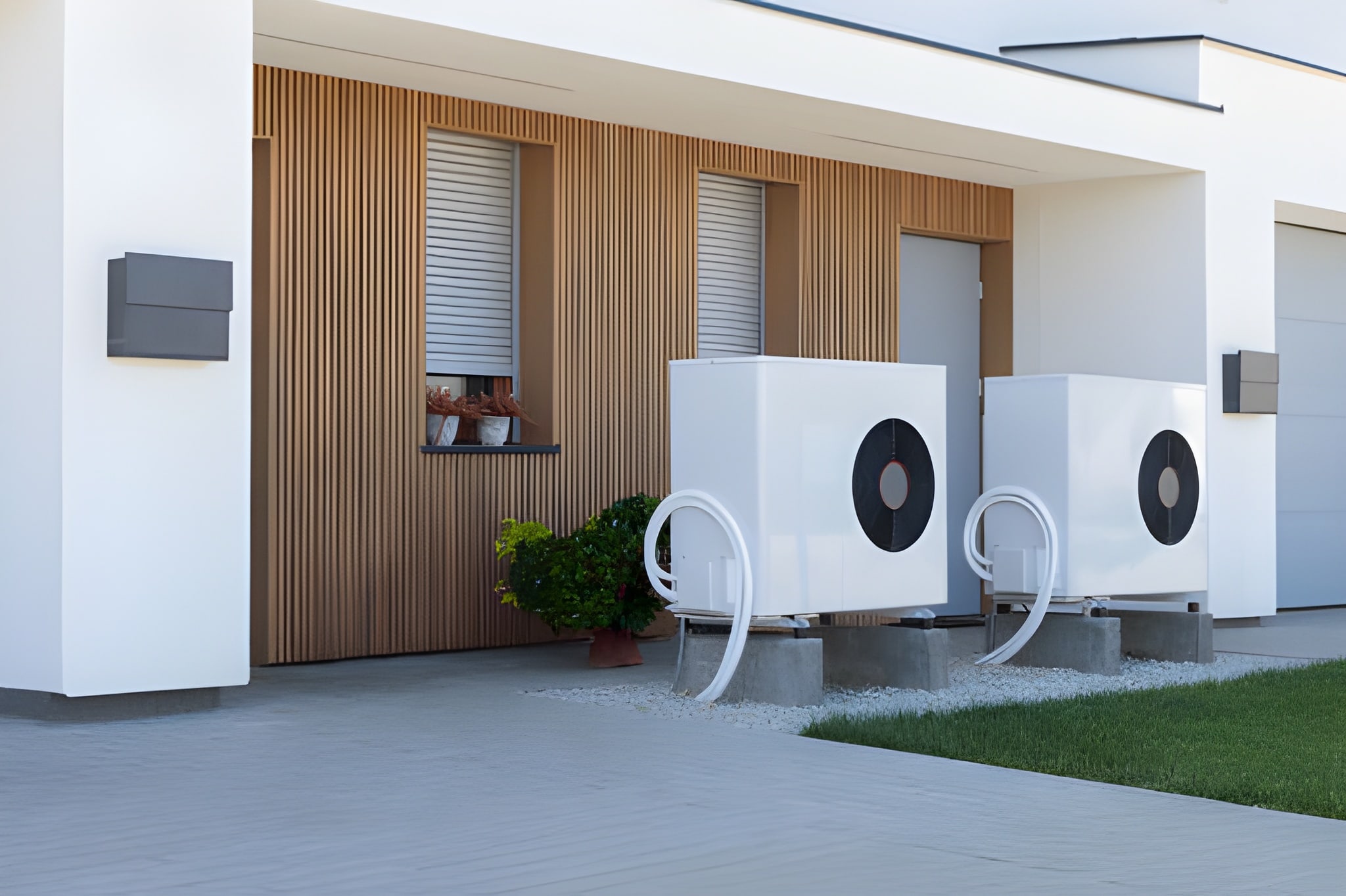
Heat pump replacement in Orondo, WA provides guidance on when to replace aging systems, outlines evaluation steps, and details upgrade options such as air-source, cold-climate, ductless, and hybrid setups. It explains the cost-benefit balance of repair versus replacement, the typical timeline from evaluation to commissioning, and incentives or financing available locally.
Heat Pump Replacement in Orondo, WA
When your heat pump is no longer delivering consistent comfort or is driving up energy bills, timely replacement is often the smartest long-term decision. In Orondo, WA, where hot, dry summers and chilly winter nights put year-round demands on heating and cooling equipment, upgrading to a modern, high-efficiency heat pump restores reliable comfort, lowers operating costs, and reduces the chance of mid-season breakdowns.
Why replace your heat pump now? Common signs in Orondo homes
- Age and reliability: Most heat pumps begin showing decline after 10–15 years. If your system is in this range and repairs are becoming frequent, replacement is the practical choice.
- Rising energy bills: An older unit running inefficiently will cost more to heat and cool your home during Orondo’s seasonal temperature swings.
- Inconsistent comfort: Uneven temperatures between rooms, longer run times, or poor cold-weather performance are signs the system is struggling.
- Frequent repairs or costly refrigerant: Repeated compressor failures, refrigerant leaks, or use of phased-out refrigerants (like R-22) mean repairs can be expensive and temporary.
- Noise and airflow problems: Increased vibration, loud compressors, or weak airflow despite working fans indicate mechanical wear or airflow restrictions.
- Environmental and efficiency goals: New heat pumps deliver significantly better efficiency and lower emissions than older models, which matters for both utility bills and environmental impact.
How we evaluate existing equipment (what we check)
A thorough replacement decision begins with a complete inspection and diagnostic review:
- Equipment age and maintenance history
- Cooling and heating capacity vs. current home needs (sizing)
- Seasonal efficiency estimates (SEER/HSPF or newer SEER2/HSPF2 ratings)
- Refrigerant type and leak history
- Compressor, reversing valve, and electrical component condition
- Ductwork condition, leaks, insulation, and airflow balance
- Noise levels and mounting condition
- This assessment determines whether repair or replacement best meets your comfort, reliability, and budget goals.
Cost vs. repair analysis: a practical rule of thumb
When weighing repair against replacement, consider:
- If a single repair costs a significant fraction of a new system and the unit is older than 10 years, replacement is usually more cost-effective.
- If the system requires frequent repairs or uses an obsolete refrigerant, replacement often gives better value and fewer surprises.
- Replacing now locks in years of improved efficiency and reliability, which translates to lower operating costs — particularly relevant given Orondo’s seasonal heating demands.
Replacement options and upgrade packages
Orondo homeowners can choose from several replacement paths depending on home layout, comfort goals, and efficiency priorities:
- Air-source heat pumps (modern inverter-driven models): Best for whole-home replacement; variable-speed compressors maintain steady comfort and use less energy.
- Cold-climate heat pumps: Designed to maintain efficiency and capacity during colder winter nights common in inland Washington.
- Ductless mini splits: Ideal for additions, garages, or homes lacking ductwork; provide room-by-room control and high efficiency.
- Hybrid (dual fuel) systems: Combine a heat pump with a gas or propane furnace for optimized efficiency in wide temperature ranges.
Upgrade packages commonly include:
- Smart thermostats and zoning controls for better temperature management
- Variable-speed blower and zoning for quieter, more even conditioning
- Enhanced filtration, UV air treatment, and whole-home humidity control
- Duct sealing and insulation improvements to maximize equipment performance
Removal, disposal, and regulatory compliance
Proper removal is more than hauling away the old unit:
- Safe refrigerant recovery: Technicians must recover and handle refrigerant per federal and state regulations and ensure compliant disposal.
- Recycling and scrap processing: Metal and components are recycled when possible to minimize landfill waste.
- Permit and inspection support: Necessary permits and final inspections ensure installations meet local codes and safety standards.
- This responsible approach protects your property, the environment, and ensures warranty eligibility for the new system.
Typical replacement timeline
- Initial on-site evaluation and quote: 1 visit (inspection and load calculation)
- Permit processing and equipment ordering: timing varies with permits and lead times (often days to weeks)
- Installation day(s):
- Simple like-for-like swap: often completed in a single day (6–8 hours)
- Upgrades involving ductwork, new linesets, or zoning: 1–3 days depending on scope
- Startup, testing, and homeowner orientation: completed at installation, including performance verification and system registration assistance
Incentives and financing
Orondo homeowners are often eligible for a combination of local utility rebates, state incentives, and federal tax credits for high-efficiency heat pump installations. There are also financing programs designed to spread installation costs over time. During the evaluation we identify incentives you qualify for and help document equipment specifications needed for rebate or tax credit applications.
Warranty coverage and recommended post-replacement care
- Manufacturer warranties: New heat pumps typically include multi-year warranties on compressors and parts; terms vary by model. Registering the equipment promptly preserves warranty rights.
- Labor warranty: Professional installation commonly includes a workmanship warranty covering the installation.
- Post-replacement maintenance (recommended):
- Annual tune-up and performance check before the heating season
- Replace or clean filters every 1–3 months depending on use and filtration level
- Keep 24 inches of clearance around the outdoor unit and clear debris seasonally
- Inspect condensate drains and monitor for unusual sounds or performance dips
- Regular maintenance sustains efficiency, extends equipment life, and protects warranty coverage.
How a smooth transition is handled
A professional replacement follows a clear, homeowner-friendly process:
- Detailed assessment and load calculation to right-size equipment
- Transparent options and documentation of potential incentives (no surprises)
- Coordinated scheduling, permitting, and delivery logistics to fit your timeline
- Careful removal with proper refrigerant recovery and recycling
- Precision installation, refrigerant charging, startup testing, and airflow balancing
- Final walkthrough to explain operation, thermostat programming, and maintenance routines
- Follow-up support for warranty registration and post-install questions
Benefits for Orondo homeowners
Replacing an aging heat pump in Orondo improves year-round comfort, reduces energy use during hot summers and cold snaps, lowers the risk of unexpected failures, and often increases home value. With the right system and professional installation, you get quieter operation, better temperature control, and long-term cost predictability.
If your current heat pump is showing multiple signs of age, inefficiency, or frequent breakdowns, an informed replacement tailored to Orondo’s climate and your home’s needs delivers the most reliable outcome.