
Heat Pump Replacement in Peshastin, WA

Scroll down to discover more
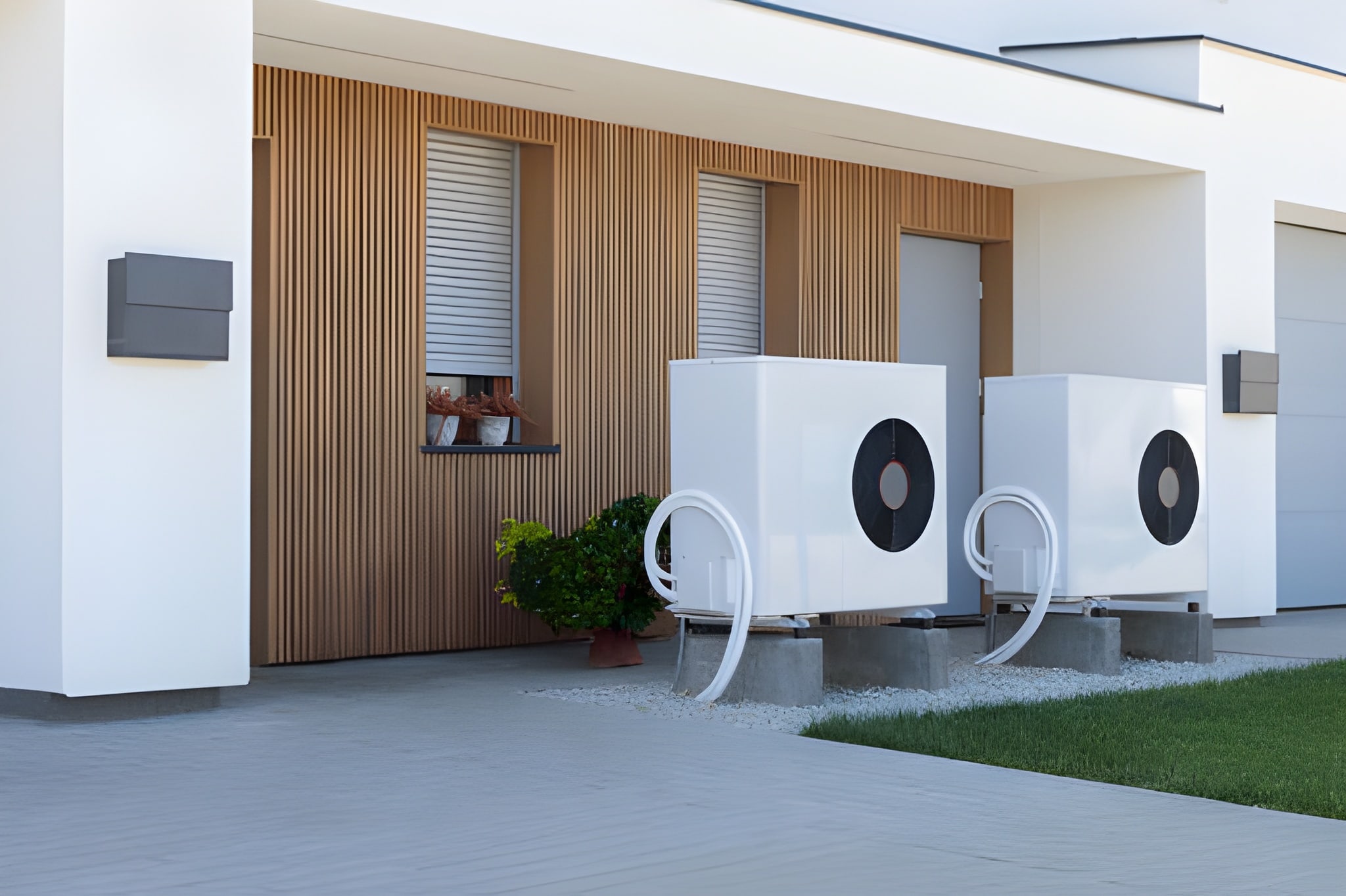
Heat Pump Replacement in Peshastin, WA
Replacing a heat pump is one of the most effective upgrades you can make to improve year-round comfort and lower energy costs in Peshastin homes. With cold, sometimes below-freezing winter mornings and hot, dry summer days in the Wenatchee Valley, an inefficient or failing heat pump can mean uneven heating, high utility bills, and expensive emergency repairs.
When replacement is recommended
Consider replacement when one or more of these conditions apply:
- The unit is 10 to 15 years old or older and showing signs of wear. Older systems lose efficiency and parts become harder to find.
- Frequent breakdowns or repeated compressor failures that make repairs uneconomical.
- Rising electric bills despite normal usage, indicating declining efficiency.
- Poor heating performance during cold snaps in Peshastin, or the system relies constantly on electric resistance heat strips.
- Noise, visible refrigerant leaks, or failing to maintain set temperatures.
- Incompatible refrigerant (R-22) or obsolete components that limit repair options.
Replacing at the right time avoids repeated emergency service calls, improves comfort on cold Peshastin mornings, and captures available efficiency gains from modern models.
How we evaluate your existing equipment
A thorough evaluation determines whether replacement or targeted repair makes sense. A standard assessment includes:
- Visual inspection of indoor and outdoor units, ductwork, and controls.
- Performance testing: temperature split, airflow, electrical draw, and refrigerant pressures.
- Ductwork inspection for leaks, insulation level, and airflow restrictions.
- Load calculation (Manual J) to confirm proper system sizing for your home and Peshastin’s climate.
- Life-expectancy estimate and a comparison of estimated annual operating cost versus a new high-efficiency unit.
This objective analysis shows expected payback and helps choose the right replacement option rather than oversizing or undersizing equipment.
Upgrade options and expected energy savings
Common replacement options for Peshastin homes:
- High-efficiency air-source heat pumps (cold-climate models): Improved low-temperature performance and variable-speed compressors deliver better comfort in winter and higher seasonal efficiency.
- Ductless mini split systems: Ideal for homes without ducts or for room-by-room zoning to reduce energy wasted heating unused spaces.
- Hybrid systems (heat pump paired with existing gas furnace): Use the most efficient heat source depending on temperature to balance comfort and operating cost.
- Geothermal (ground-source) systems: Very high efficiency but higher upfront cost and site-dependent installation.
Efficiency metrics to compare:
- SEER (seasonal energy efficiency ratio) for cooling performance.
- HSPF or HSPF2 and minimum COP for heating performance, especially at low outdoor temperatures.
Typical energy savings vary by starting point, but replacing an old single-stage system with a modern variable-speed cold-climate heat pump can reduce heating costs by 20 to 50 percent in many homes. Exact savings depend on home insulation, duct integrity, thermostat strategy, and how aggressively the system was sized.
Financing and rebate assistanceWashington state and federal programs often include rebates or tax incentives for high-efficiency heat pumps and heat pump water heaters. Utility rebate programs and seasonal incentives can further reduce net cost. Many installers provide guidance on available rebates and typical financing options to spread payments over time. Eligibility and amounts vary, so including rebate assistance as part of the replacement consultation helps you understand net cost and payback.
Removal and disposal of old equipment
Safe disposal is critical and regulated:
- Certified refrigerant recovery: Technicians must recover refrigerant to prevent atmospheric release and comply with EPA and Washington regulations.
- Disposal and recycling of metal, plastics, and electronics according to local waste rules.
- Proper documentation for decommissioned equipment, especially if rebates or tax credits require proof of disposal.
Using certified technicians ensures legal compliance and reduces environmental impact from refrigerant and component disposal.
Installation process and expected timeline
A typical replacement project follows these steps:
- Initial evaluation and load calculation with written equipment recommendations.
- Final quote including equipment, necessary ductwork modifications, permits, and estimated incentives.
- Equipment ordering (lead time varies by manufacturer and model).
- Permit pull and scheduling.
- Installation day(s): removal of old unit, any ductwork or electrical upgrades, setting refrigerant lines, mounting outdoor unit, and indoor coil or air handler work. Most residential replacements complete in 1 to 3 days depending on complexity.
- System startup, performance verification, airflow balancing, and thermostat programming.
- Final walkthrough with documentation for warranties and maintenance recommendations.
Proper sizing, refrigerant charge, and airflow balancing during installation are essential for performance, efficiency, and warranty coverage.
Warranty details and cost considerations
New heat pumps typically come with manufacturer warranties that cover major components (compressor and parts) for a set number of years; many high-end units include 10-year compressor warranties and parts coverage of 5 to 10 years. Labor warranties vary by installer. Extended warranties and maintenance agreements may be available. Carefully review warranty terms—some require professional annual maintenance to remain valid.
Cost factors to consider beyond equipment price:
- Duct repairs or rework
- Electrical upgrades or new breakers
- Line set and refrigerant type
- Permits and inspections
- Required accessories (pad, wall brackets, condensate management)
Recommended follow-up maintenance
To protect comfort, efficiency, and warranty:
- Schedule annual preventive maintenance for cleaning coils, checking refrigerant, testing electrical components, and verifying airflow.
- Replace or clean filters every 1 to 3 months depending on use and indoor air quality.
- Keep outdoor unit clear of debris, snow, and vegetation.
- Check and adjust thermostat settings seasonally; consider a programmable or smart thermostat for better control.
- Seal and insulate ducts, and address attic or crawlspace insulation if needed to realize full savings.