Mini Split AC in Orondo, WA
Discover efficient mini split installation in Orondo, WA. Learn about zoning, energy savings, and reliable heating; contact us for a professional assessment.

Scroll down to discover more
Mini Split AC in Orondo, WA
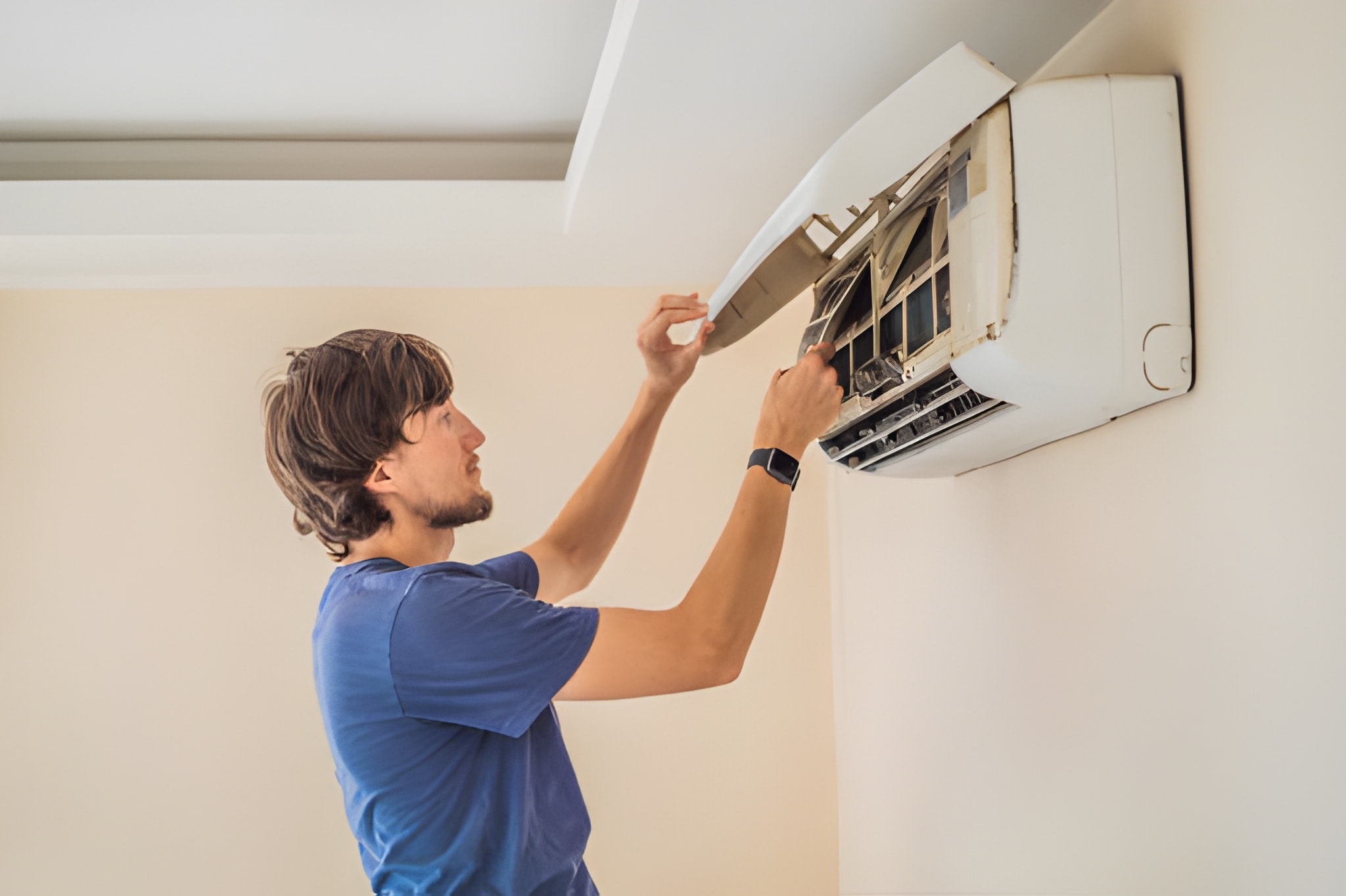
Mini Split AC systems (also called ductless mini splits or mini split heat pumps) are an efficient, flexible way to cool and heat spaces in Orondo, WA. For homes and outbuildings in the Wenatchee Valley where many properties lack central ductwork, mini splits deliver precise temperature control and zoning, reduce energy waste, and improve indoor air quality — all advantages that matter in Orondo’s hot, dry summers and cold winters.
Why choose a mini split for Orondo homes
- Zoning and precise control: Each indoor unit (head) is controlled independently, so bedrooms, additions, or workshops can be set to different temperatures without heating or cooling the entire house.
- Energy efficiency: Variable-speed (inverter) compressors adjust output to meet demand, lowering electricity use during shoulder seasons common in central Washington.
- No ducts needed: Many Orondo houses, historic homes, shops, garages, and accessory units were built without ducts. Mini Splits install with minimal remodeling and avoid duct losses that make forced-air systems less efficient.
- Improved indoor air quality: Multi-stage filtration and reduced dust transfer (no shared ductwork) help households with allergies and those concerned about seasonal pollen from local orchards.
- Heating capability: Modern mini split heat pumps provide reliable heating down to low temperatures; cold-climate models maintain capacity during Orondo’s colder months.
Typical applications in Orondo, WA
- Room additions and sunrooms
- Garages converted to workshops
- Homes without existing ducts or with partial duct systems
- Basement finishing and accessory dwelling units
- Small commercial spaces, offices, and farm outbuildings
Common mini split issues and how they’re diagnosed
- Uneven temperatures between zones — often caused by incorrect sizing, poor indoor-unit placement, or weak airflow.
- Reduced cooling/heating performance — can indicate refrigerant leaks, clogged filters, or dirty coils.
- Indoor unit freeze-ups — usually from restricted airflow (dirty filters, blocked return), low refrigerant, or ambient conditions.
- Excess noise — loose mounting, failing fan motors, or vibration at the outdoor compressor.
- Wi-Fi or remote-control failures — simple network setup issues or sensor faults.
Diagnostic approach (what a technician will check):
- Verify system sizing against the room load (basic measurements and inspection).
- Inspect filters, coils, condensate drain, and airflow.
- Check refrigerant charge and look for leaks.
- Test electrical connections, breakers, and outdoor unit condition.
- Review installation details like line-set routing, outdoor unit clearance, and head placement.
Installation overview — what to expect
- Site survey and sizing: A professional will perform a room-by-room assessment and recommend single-zone or multi-zone configurations. This typically includes a load calculation to match capacity to the space.
- Placement planning: Indoor heads are mounted on walls (or ceilings) to maximize airflow; outdoor compressor(s) should be sited for airflow, noise control, and protection from irrigation spray or heavy snow.
- Line-set and electrical: Installation requires a refrigerant line-set, condensate drain, and a dedicated electrical circuit sized to the outdoor unit.
- Typical timeline: Single-zone installations can often be completed in one day with minimal disruption. Multi-zone systems and more complex runs through attics or walls may require additional time.
- Permits and codes: Local permitting and adherence to state refrigerant handling rules are part of a compliant installation.
Maintenance overview — keep performance high
- Clean or replace indoor filters monthly during heavy use; washable filters should be washed and dried.
- Keep outdoor unit clear of debris, weeds, and irrigation spray; maintain at least 24 inches of clearance.
- Annual professional tune-up: check refrigerant charge, electrical connections, coil cleanliness, and drain lines.
- Address odd noises, ice formation, or performance drops promptly to avoid compressor damage.
Sizing and selecting the right system
- Capacity ranges: Mini Splits commonly range from about 6,000 to 36,000 BTU (roughly 0.5 to 3 tons). Most single rooms use 6,000–18,000 BTU heads; multi-room systems combine heads off a single outdoor compressor.
- Rough rule of thumb: 20–30 BTU per square foot can be a starting estimate for preliminary planning in moderate climates, but actual needs depend on insulation, ceiling height, windows, sun exposure, and occupancy.
- Line length and zoning limits: Multi-zone outdoor units have limits on total combined capacity and refrigerant line length — important for large properties or widely separated heads.
- Electrical capacity: Confirm your panel has space for a dedicated circuit for the outdoor unit; older Orondo homes may need electrical upgrades.
- Cold-climate models: If heating performance at low temperatures matters, select a unit rated for low ambient operation and good low-temperature heating efficiency.
Brand and model comparisons (major manufacturers)
- Daikin: Industry leader for reliability and efficiency; strong multi-zone options and advanced controls.
- Mitsubishi Electric (M-Series): Known for quiet operation, excellent low-temperature heating performance, and reliable multi-zone systems.
- Fujitsu: Competitive efficiency and strong residential product lines, well-regarded for durability.
- LG: Modern features, stylish indoor heads, and smart-home connectivity.
- Panasonic: Solid reliability and filtration options; often cost-effective.
- Gree / Samsung: Value-oriented options with solid warranties and feature sets.
- Refrigerants: R410A has been common; newer models are adopting lower-GWP refrigerants such as R32 in some lines. Confirm local code compatibility and technician certification for handling refrigerants.
Benefits for Orondo homeowners and practical tips
- Mini Splits reduce energy waste by conditioning only occupied spaces — useful for seasonal occupancy or homes with variable use patterns common in agricultural areas.
- Strategically place indoor heads to avoid direct sun exposure where possible and to take advantage of natural airflow patterns.
- Consider multi-function systems (cooling + heat pump) to replace electric resistance heating and potentially qualify for local incentives. Chelan County programs and utilities may offer rebates for switching from electric forced heat to heat pumps — check local program criteria.
- Always base final selection on a professional load calculation rather than on brand claims or square-foot rules alone.
Mini Split systems provide a targeted, energy-efficient way to cool and heat the specific spaces you use most in Orondo, WA. With the right sizing, model choice, and routine maintenance, a ductless system can deliver comfort, lower operating costs, and improved indoor air quality year-round.