
Mini Split Installation in Crescent Bar, WA
Mini Split installation in Crescent Bar, WA delivers energy-efficient heating without duct. Learn about assessment, installation steps, warranties & maintenance

Scroll down to discover more
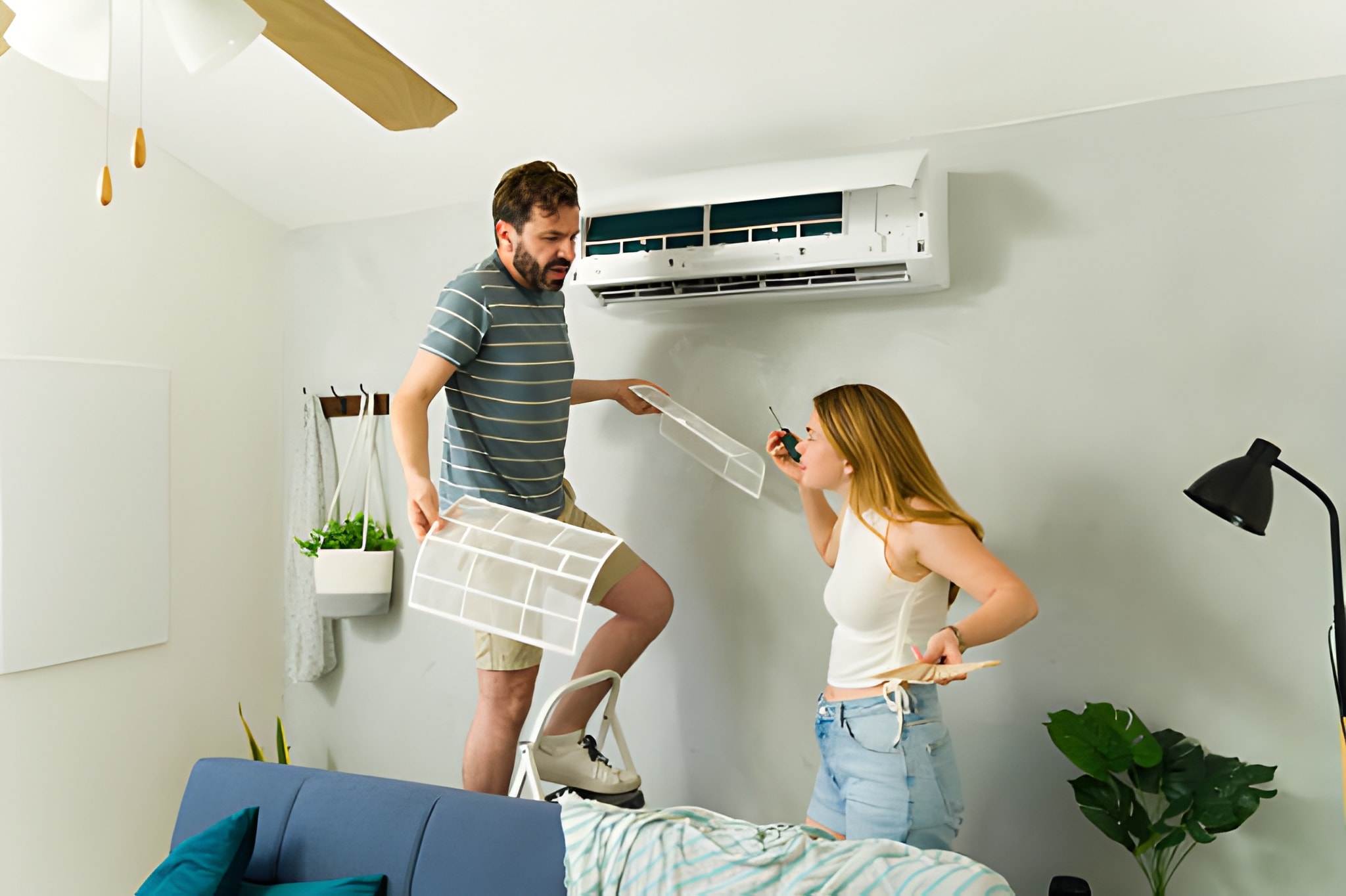
Mini Split Installation in Crescent Bar, WA
Mini Split heat pumps are a practical, energy-efficient solution for Crescent Bar homes and cabins that need targeted heating and cooling without major ductwork. With hot, sun-drenched summers, cool river breezes, and frequently variable occupancy in this Columbia River community, a properly sized mini split provides precise temperature control, lower energy bills, and comfortable living spaces year-round.
Why a mini split makes sense in Crescent Bar, WA
- Crescent Bar properties often have large windows and high solar gain. Mini Splits deliver zoned control to counteract heat in sun-facing rooms.
- Many homes here are seasonal or have finished additions where extending ductwork is impractical. Ductless indoor units install quickly with minimal disruption.
- Energy-efficiency incentives in Chelan County make switching from electric resistance heating to a heat pump financially compelling for many homeowners.
Common mini split needs and issues in Crescent Bar homes
- Cooling single rooms or sunrooms without central air.
- Heating additions, garages turned into living space, or finished basements.
- Replacing older wall or window units with quieter, more efficient systems.
- Common local performance issues: undersized units for high solar gain rooms, poor placement causing uneven airflow, or insufficient electrical service for multi-zone installs.
Initial home/site assessment and load-sizing
A thorough installation begins with a site assessment and load calculation. This includes:
- Measuring room dimensions, ceiling heights, and insulation levels.
- Noting window size and orientation to account for solar gain.
- Assessing occupancy patterns and typical seasonal use.
- Checking existing electrical capacity and panel space.
- Proper load-sizing avoids short cycling, improves comfort, and maximizes efficiency. Technicians use industry-standard methods to recommend single-zone or multi-zone systems appropriate for each space.
System and indoor unit options
Mini Splits come in several indoor unit styles to match room layout and aesthetics:
- Wall-mounted units: most common, compact, and efficient for bedrooms, dens, and living rooms.
- Ceiling cassette units: ideal for open-plan living areas or where wall space is limited; these distribute air in four directions.
- Ceiling-recessed slim ducted units: work well when a hidden solution is preferred and a low-profile duct run is possible.
- Floor consoles: suited to rooms with low walls or where wall mounting is impractical.
- Multi-zone systems: one outdoor compressor connects to multiple indoor units to control several rooms independently.
- Choice of configuration depends on sightlines, mounting surfaces, and desired zoning.
Placement and mounting of indoor/outdoor units
Proper placement ensures comfort and longevity:
- Indoor units are mounted to allow unobstructed airflow, away from direct sunlight or heat sources, and at recommended clearances.
- Outdoor unit location factors: level surface, good airflow, protection from falling debris, and distance restrictions to indoor units. In Crescent Bar, positioning the outdoor unit to avoid full afternoon sun can improve efficiency.
- Mounting hardware and vibration isolation are used to minimize noise transfer into living spaces.
Refrigerant lines and electrical hook-up
Professional installation includes:
- Running refrigerant lines, condensate drain, and low-voltage control wiring through a small 2- to 3-inch hole. Lines are insulated and secured to minimize visibility and thermal loss.
- Pressure testing and evacuation of the system to remove moisture and air before charging with refrigerant.
- Electrical connection to a dedicated circuit sized to the chosen unit; larger multi-zone systems may require a panel upgrade or new breaker.
- Compliance with local electrical and building codes, and securing permits when required.
Timeline and what to expect during installation
- Site assessment and estimate: one visit, typically 30 to 90 minutes depending on house size.
- Equipment ordering: lead times vary with model and brand; common units are often available within days to a few weeks.
- Installation day (single-zone): most single-zone installs take 4 to 8 hours. Multi-zone or complex installs may take 1 to 2 days.
- Typical steps on installation day: protect floors and furnishings, mount indoor unit, run lines and wiring, mount outdoor unit, vacuum and charge system, test and balance, and homeowner walkthrough.
- Installers will leave the work area clean and perform a basic orientation on controls and filters.
Post-installation testing and commissioning
A complete commissioning includes:
- Leak and pressure tests for refrigerant lines.
- Pulling a deep vacuum and charging to manufacturer specifications.
- Verifying electrical connections and proper voltage.
- Measuring airflow and temperature split to confirm cooling/heating performance.
- Programming remote controls and explaining filter access and basic troubleshooting.
- This ensures reliable operation and validates warranty coverage.
Warranties and manufacturer/brand options
- Reputable manufacturers such as Daikin, Mitsubishi, Fujitsu, and others offer a range of product tiers with differing warranties and features.
- Warranties typically cover compressors and parts; duration and terms vary by brand and may be extended with product registration.
- When selecting equipment for Crescent Bar, consider seasonal performance, cold-climate ratings, and long-term parts availability.
Recommended maintenance
Routine maintenance preserves efficiency and comfort:
- Clean or replace filters every 1 to 3 months depending on use.
- Annual professional tune-up: check refrigerant levels, electrical components, condensate drains, and airflow.
- Keep outdoor unit clear of debris, snow, and vegetation; maintain 2 to 3 feet of clearance.
- For vacation or seasonal homes, perform a system check before long unoccupied periods and again before reoccupation.
Financing and rebate information for Crescent Bar residents
- Local energy programs in Chelan County often provide rebates for switching from electric resistance heat to heat pumps. Some programs offer substantial rebates for qualifying installations.
- Financing options are commonly available from manufacturers and financing partners, including promotional plans like 0% interest periods on approved applications.
- Eligibility for rebates or rebates amounts may depend on system type, installation scope, and local utility or PUD rules. Verify current program details before ordering equipment.