
Mini Split Installation in Dryden, WA
Mini Split installation in Dryden, WA offers efficient zone-based comfort. Learn more about sizing, placement, and financing options.

Scroll down to discover more
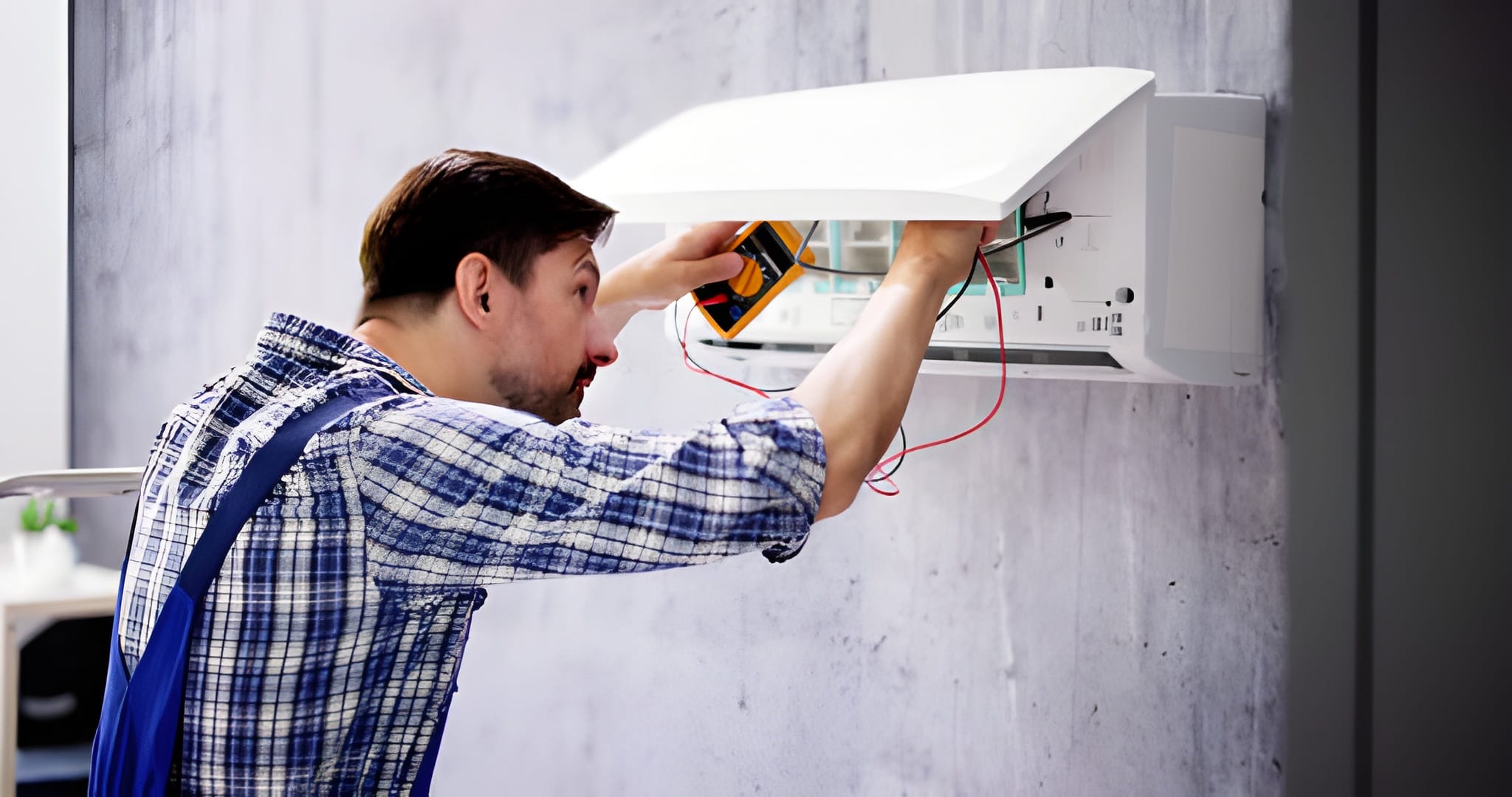
Mini Split Installation in Dryden, WA
Mini Split installation in Dryden, WA is a practical, energy-smart choice for homes that need efficient cooling in hot, dry summers and reliable heating during cold mountain-influenced winters. Mini Split heat pumps deliver zone-by-zone comfort without ductwork, reduce energy use compared with electric resistance heat, and are an excellent retrofit option for older homes common in the Cascade foothills.
Why a mini split makes sense in Dryden
- Dry, warm summers and wide temperature swings between day and night mean targeted cooling is more efficient than whole-house central air.
- Many Dryden homes have limited or no ductwork; ductless mini splits avoid costly duct installation.
- Inverter-driven mini splits (brands like Daikin) perform well in cold snaps and can replace or supplement electric forced heat, often qualifying for local utility rebates.
- Zoned control lets you prioritize commonly used rooms (living areas, bedrooms, home offices) for comfort and energy savings.
Initial consultation and site survey
The installation process starts with a thorough on-site consultation:
- Review floorplan, existing heating sources, and family comfort priorities.
- Measure rooms and note sun exposure, window orientation, ceiling height, and insulation levels.
- Identify ideal indoor unit locations for airflow and aesthetic impact, and evaluate outdoor condenser placement for clearance, noise, and sun exposure.
- Check electrical service capacity and path for refrigerant lines and condensate drain.
This site survey determines whether you need a single-zone or multi-zone system and informs accurate system sizing.
System sizing and model selection
Proper sizing is critical. An undersized unit will struggle on the hottest days; an oversized unit will short cycle and reduce dehumidification.
- Sizing factors include square footage, ceiling height, insulation, window areas, occupancy, and local climate loads unique to Dryden.
- Consider inverter-driven models (variable speed compressors) for better part-load efficiency and quieter operation.
- Brands like Daikin are a common selection due to reliable performance in both cooling and heating modes; other reputable manufacturers offer comparable options.
- Choose single-zone for one-room control or multi-zone systems when multiple rooms require independent temperature control.
Placement of indoor and outdoor units
- Indoor units are usually mounted high on interior walls for effective air distribution. Placement avoids direct sunlight, doorways, and obstructions.
- Multi-head systems require coordinated placement to balance airflow between zones.
- Outdoor units need a level, ventilated location with adequate clearance for service access and air circulation. In Dryden, positioning to minimize sun exposure and keep the unit clear of snow or debris improves longevity.
- Condensate drainage must be designed to avoid freezing in winter; options include gravity drains, condensate pumps, or insulated lines.
Refrigerant and electrical connections
Certified technicians perform all refrigerant and electrical work:
- Line sets (refrigerant piping) and electrical conduit are routed through a small, neat penetration—typically a 2 to 3 inch hole—that is sealed and finished.
- Technicians evacuate the lines to a deep vacuum to remove moisture and air before opening the refrigerant system.
- The system is charged per manufacturer specifications, accounting for line length and elevation differences.
- Electrical connections include a dedicated circuit, properly sized disconnect, and compatible breakers. This protects the system and meets code.
Permitting and timeline expectations
- Permits are usually required in Chelan County and neighboring jurisdictions. Permitting ensures installations meet code for refrigerant handling, electrical work, and mechanical safety.
- Typical timeline:
- Site survey and proposal: 1 to 7 days depending on scheduling.
- Permit application and approval: 1 to 3 weeks depending on local office workload.
- Installation: single-zone installs can often be completed in one day; multi-zone systems commonly require 1 to 2 days.
- Inspection scheduling varies; plan for final inspection and approval after installation.
- Be aware of seasonal demand; summer and early fall can extend scheduling times.
Warranty and financing considerations
- Manufacturer warranties commonly cover major components for several years; labor warranties from the installer vary and should be confirmed before signing.
- Ask about parts coverage for compressors, PCBs, and indoor units, and how warranty service is handled locally.
- Many homeowners explore financing options and available utility rebates for heat pump conversions; Chelan County PUD and similar programs may offer incentives for switching from electric forced heat to heat pumps.
Post-installation testing and commissioning
A professional commissioning process ensures reliable performance:
- Pressure and leak tests confirm refrigerant integrity.
- Vacuuming and proper refrigerant charging to spec optimize efficiency.
- Electrical checks and startup of controls, including wireless thermostats or remotes, verify safe operation.
- Airflow measurements and temperature split checks confirm correct airflow and capacity.
- Technician walkthrough explains controls, filter care, and basic troubleshooting, and provides documentation of settings and test results.
Common mini split issues in Dryden and how proper installation prevents them
- Undersizing or oversizing: Accurate load calculations eliminate these mistakes.
- Poor placement: Avoids hot/cold spots and noisy operation.
- Incorrect refrigerant charge: Proper evacuation and charging prevent performance loss and coil freeze.
- Inadequate condensate drainage: Insulated drains or pumps prevent freeze-related backups in winter.
- Electrical undersizing: Proper circuits and disconnects protect equipment and home.
Tips for maximizing efficiency and comfort
- Use zoning: Heat or cool only occupied spaces.
- Set reasonable setpoints: Each degree closer to outdoor temperature reduces energy use.
- Maintain indoor units: Clean or replace filters monthly during heavy use and keep indoor units dust-free.
- Clear outdoor unit: Keep 2 to 3 feet of clearance and remove leaves, snow, and debris.
- Shade and insulation: External shading and proper insulation reduce system load, especially for west-facing rooms that heat in the afternoon sun.
- Use fan and schedule features: Variable fan speeds and timers optimize comfort and reduce runtime.
- Annual professional check: A yearly tune-up before peak seasons maintains warranty compliance and peak efficiency.
Mini Split installation in Dryden, WA offers tailored comfort and measurable energy savings when planned and executed correctly. With attention to local climate needs, correct sizing and placement, proper refrigerant and electrical work, and thorough commissioning, a mini split system will deliver consistent, efficient heating and cooling for years to come.