
Mini Split Installation in Lake Wenatchee, WA
Mini Split installation in Lake Wenatchee, WA delivers precise heating and cooling for cabins and lake homes. Learn about the process, benefits, rebates.

Scroll down to discover more
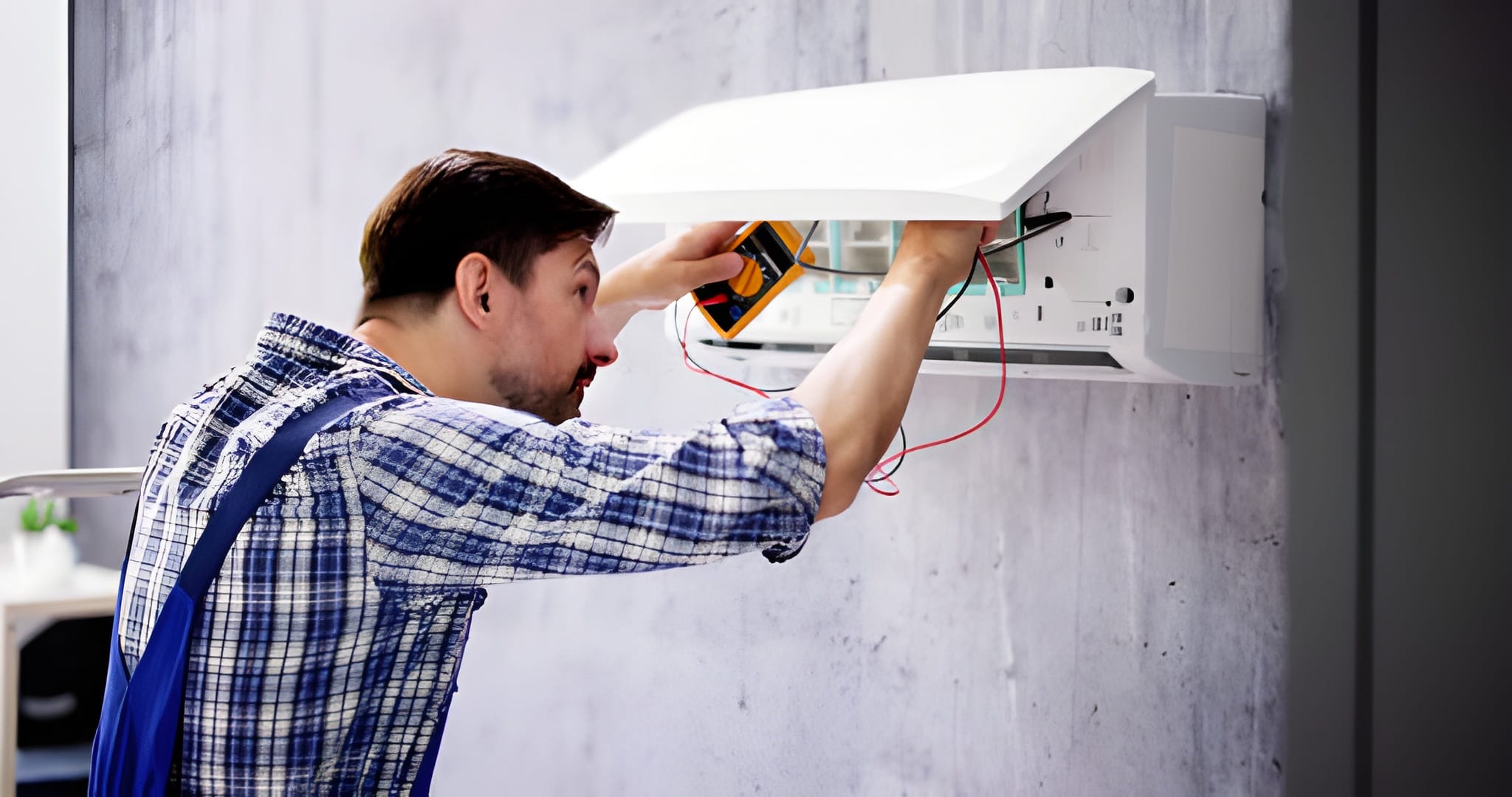
Mini Split Installation in Lake Wenatchee, WA
Mini Split installation in Lake Wenatchee, WA offers precise, efficient heating and cooling for cabins, lake homes, and year-round residences where ductwork is impractical or where targeted zoning can reduce energy use. In this mountain climate, homes need reliable heat during cold winters and responsive cooling on warm summer days.
Why a mini split may be the right choice for Lake Wenatchee homes
- Efficient heating in cold conditions with modern cold-climate models that perform well at low temperatures.
- Zoned comfort for multi-level cabins, guest suites, or additions without extending ductwork.
- Quiet operation and minimal interior disruption, important for vacation homes and tight footprints.
- Compatibility with local incentive programs that encourage switching from electric resistance heat to heat pump technology.
Common mini split types and issues seen locally
- Single-zone wall-mounted units for bedrooms or small living areas.
- Multi-zone systems with 2 to 8 indoor heads to cover larger homes or separate rooms.
- Floor or ceiling cassette units for aesthetic or ceiling-height constraints.
- Typical problems that lead customers to replace or install new systems: insufficient heating on cold nights, noisy or inefficient legacy systems, or adding conditioning to remodeled rooms.
Initial on-site assessment and load calculation
An accurate installation starts with an on-site assessment and a formal load calculation. Technicians will:
- Measure room sizes, insulation levels, window types, ceiling height, and orientation.
- Account for local climate factors such as elevation, winter temperature lows, and solar gain from lakeside exposure.
- Perform a Manual J style heat-loss and heat-gain calculation to correctly size indoor and outdoor units.
- Correct sizing prevents short cycling, ensures adequate capacity in winter, and maximizes efficiency.
Choosing the right indoor and outdoor units and brands
- Select units based on capacity needed from the load calculation and the number of zones required.
- Consider cold-climate rated compressors for reliable heating through Lake Wenatchee winters.
- Popular, field-tested brands include Daikin, Mitsubishi Electric, Fujitsu, and other manufacturers that offer long warranties and support in the region.
- Evaluate features like inverter-driven compressors, integrated dehumidification, air filtration, and smart controls for convenience and performance.
Recommended placement and zoning options
- Indoor unit placement prioritizes even airflow and unobstructed circulation: high on an interior wall above furniture lines is common for wall-mounted heads.
- For multi-zone systems, place units to serve distinct living areas (kitchen/dining, living room, bedrooms) and avoid oversizing individual heads.
- Outdoor units need stable, ventilated locations with good clearance for service and snow shedding. Elevated mounting or concrete pads are typical in snowy settings to prevent blockage and freezing.
Step-by-step installation process (what to expect)
- Site preparation: confirm mounting points, electrical access, and routing for line sets and condensate lines.
- Mount indoor heads: install mounting plates, secure indoor units, and verify level and clearance.
- Install outdoor unit: set on a concrete pad or wall brackets, anchor for wind and seismic considerations.
- Line set and drain routing: drill a small hole through the wall for refrigerant lines, communication cable, and condensate drain. Conceal and protect piping with trim cover or chase.
- Electrical hookup: run a dedicated circuit and disconnect as required by code, connect communication wiring between indoor and outdoor units.
- Pressure testing and vacuum: pressure-test the system (often with nitrogen) to check for leaks, then pull a deep vacuum to remove moisture and non-condensables.
- Refrigerant charging: charge the system per manufacturer specifications, accounting for field line length and any additional refrigerant required. Technicians use manifold gauges and electronic leak detectors to confirm proper charge.
- System startup and configuration: program zoning, set control parameters, and verify each indoor head responds correctly.
Permits and inspections
- Permits are typically required for mechanical and electrical work in Chelan County and surrounding jurisdictions.
- Inspections may include electrical, mechanical, and final system operation checks. Proper permitting ensures compliance with local codes and preserves warranty coverage.
- The installer should coordinate permit submission and schedule inspections with local authorities.
Typical timelines and pricing factors
- Timeline: most single-zone installs can be completed in a day; multi-zone systems and complex runs (attic/second-floor routing) commonly take 1 to 3 days. Remote or seasonal-access properties may require additional scheduling time.
- Pricing depends on system size, number of zones, necessity of new electrical service, structural modifications, and preferred brand. Additional costs can include elevated outdoor mounts, extended line runs, or weatherproofing for lakeside exposure.
- Financing options and seasonal incentives often reduce upfront cost; check local utility rebate programs and installer financing plans for potential support.
Warranty, post-install testing, and handover
- Manufacturer warranties vary by brand and component; compressor warranties are often the most substantial. Installers commonly offer a workmanship warranty covering labor for a specified period.
- After installation, technicians perform post-install testing: verify airflow and temperature delta, test defrost cycles, confirm leak-free piping and proper condensate drainage, and check noise and vibration.
- The homeowner receives an orientation on controls, basic maintenance (filter cleaning), and documentation including equipment manuals and warranty registration instructions.
Maintenance recommendations and durability in Lake Wenatchee
- Annual maintenance is recommended to preserve efficiency and extend equipment life. Typical maintenance includes filter cleaning, coil inspection, condensate drain clearing, and system performance checks before heating season.
- In Lake Wenatchee, protect outdoor units from heavy snow accumulation, ice build-up, and corrosive lakeside air by ensuring adequate clearance and using protective mounting where appropriate.
Financing and local rebates
- Chelan County PUD and other regional programs often offer rebates for switching from electric resistance heat to heat pump technology; these incentives can significantly offset equipment costs.
- Installers commonly work with third-party financing plans that may offer deferred interest or low-payment options to spread cost over time. State and federal energy incentives for heat pump installations may also apply; verify current programs at time of purchase.
Mini Split systems provide flexible, energy-efficient comfort tailored to the unique needs of Lake Wenatchee homes. A professional on-site assessment and correctly executed installation are essential to reap the full benefits, meet local code requirements, and qualify for available rebates and warranties.