
Mini Split Installation in Plain, WA
Mini Split Installation in Plain, WA provides fast, ductless comfort with expert installation, local rebates, and warranty details. Learn more

Scroll down to discover more
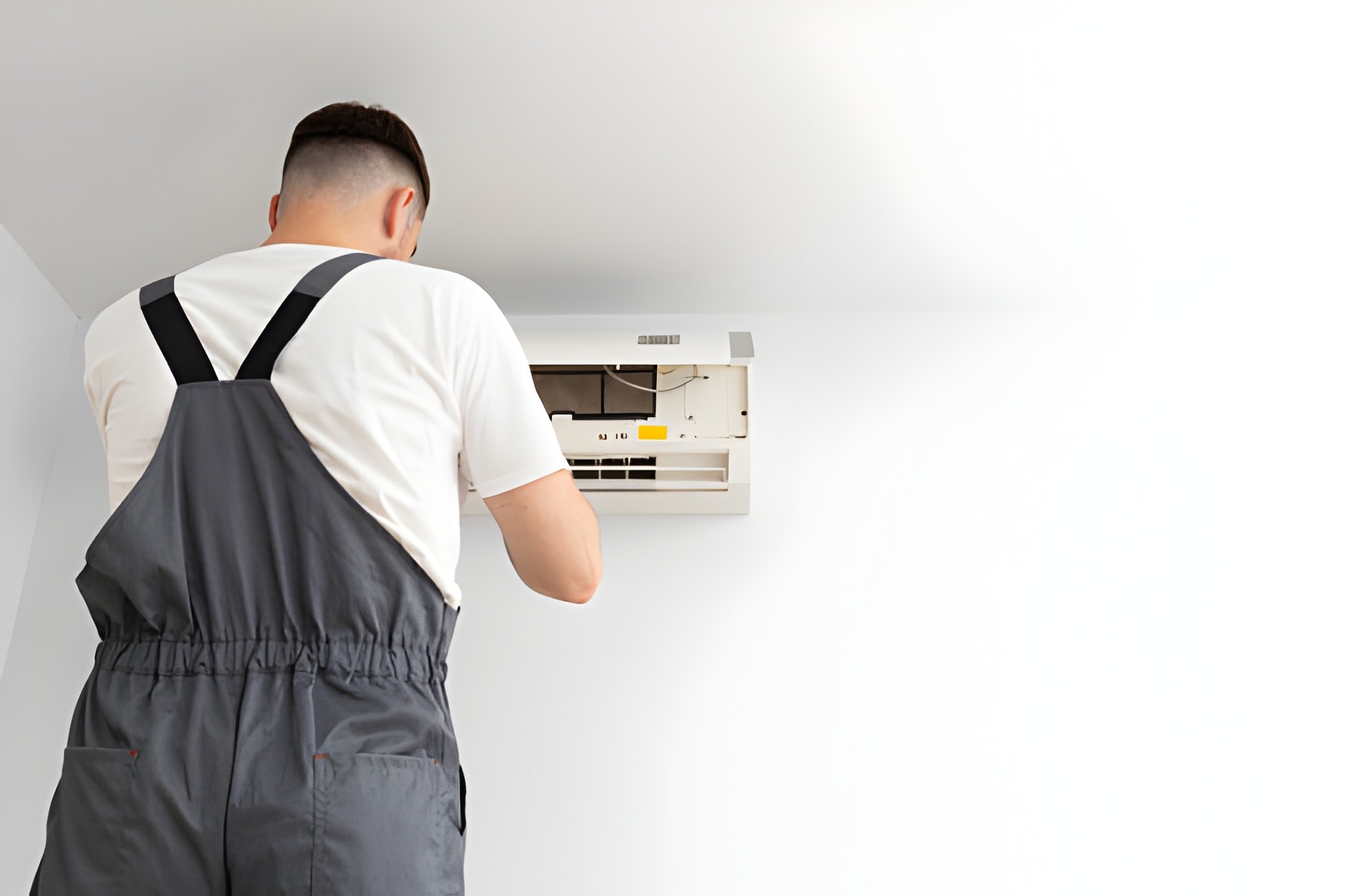
Mini Split Installation in Plain, WA
Installing a mini split system is one of the fastest ways homeowners in Plain, WA get reliable heating and cooling without ductwork. Whether you need targeted comfort for a cabin, an addition, or want to replace inefficient electric resistance heat, a properly designed mini split heat pump delivers year-round comfort, strong efficiency, and precise temperature control.
Why a mini split makes sense for Plain, WA homes
Plain sits in the Cascade foothills with cold, snowy winters and warm, dry summers. Many homes are older or seasonal properties where extending ductwork is impractical. Mini Splits:
- Provide efficient heating at low outdoor temperatures when you choose cold-climate models.
- Offer zoned comfort and better humidity control during warm summer months.
- Minimize disruption because indoor heads mount on walls or ceilings and require only small penetrations through the building envelope.
Common mini split installation types and issues in Plain, WA
- Single-zone vs multi-zone systems: Single-zone is common for one room or addition; multi-zone covers multiple rooms with one outdoor compressor and several indoor heads. Choosing the right configuration prevents oversized or undersized equipment.
- Mini split heat pump for primary heating: In homes switching from electric forced-air heat, heat pump models with high HSPF and cold-climate performance are critical.
- Ductless AC unit replacement: Replacing aged window units or baseboard heat with a ductless system improves efficiency and comfort.
- Common problems we see:
- Undersized systems that struggle during cold snaps.
- Poor indoor head placement causing uneven airflow.
- Long or improperly routed line-sets that reduce efficiency.
- Inadequate condensate drainage leading to leaks or freeze issues.
- Electrical circuits that are not upgraded to meet manufacturer requirements.
- Missing permits or unregistered warranties that affect rebates and coverage.
Initial site assessment and load calculation
A professional installation starts with an on-site assessment. Key steps:
- Room-by-room Manual J load calculation to determine heating and cooling capacity required.
- Evaluate insulation, window orientation, ceiling height, existing heating sources, and thermal losses common in Plain homes.
- Identify best indoor head types (wall-mounted, ceiling cassette, ducted slim-duct) based on room layout and aesthetic preferences.
- Inspect potential outdoor unit locations for clearance, sun exposure, noise considerations, and ability to mount on a pad or brackets.
Accurate load calculation avoids the two most common mistakes: undersizing that leaves you cold, or oversizing that cycles too often and wastes energy.
System and indoor unit selection
When selecting equipment for Plain, WA:
- Prioritize cold-climate mini split heat pump models with proven low-ambient heating performance and inverter compressors that adjust capacity.
- Consider energy ratings: SEER for cooling efficiency and HSPF for heating efficiency.
- Trusted energy-efficient brands often used include Daikin, Mitsubishi, Fujitsu, and comparable manufacturers with local service support.
- Choose indoor head styles to balance comfort, noise, and appearance. Multi-zone installations should match capacity across heads to load calculation results.
Placement, line-set routing, electrical, and condensate work
Proper execution includes:
- Indoor head placement that avoids blocked airflow and provides balanced distribution. Common locations: high on exterior walls opposite sources of drafts, or ceiling cassettes for central feel.
- Short, straight line-set routing where possible. Runs through attics, crawlspaces, or exterior walls must be insulated and secured to avoid heat loss and vibration.
- Electrical: Dedicated circuit sized to manufacturer specifications, disconnect at outdoor unit, and ensuring the service panel can handle the additional load.
- Condensate management: Install reliable drainage with proper slope; consider condensate pumps where gravity drain is not possible. In Plain winters, insulate condensate lines and provide freeze protection where needed.
Permits, timeline, and expectations
- Permits: Most installations require local permits and inspections in Chelan County. Permit pulls ensure code compliance and protect warranties and rebate eligibility.
- Timeline: Typical timeline includes an initial assessment visit, equipment ordering and delivery (often 1-3 weeks depending on model), and installation (usually 1-3 days for single- or small multi-zone systems, longer for complex installs).
- Project considerations: Interior wall repairs, electrical upgrades, or structural work can extend timelines.
Pricing factors (what influences cost)
Factors that determine overall cost:
- Number of zones and total system capacity.
- Model and efficiency level of equipment selected.
- Complexity of line-set routing, length of runs, and need to run through attic or crawlspace.
- Electrical upgrades, new circuits, or subpanel requirements.
- Mounting hardware for outdoor unit (pad, brackets) and any aesthetic finishing work.
Warranty, manufacturer registration, and rebates
- Warranty: Most manufacturers require professional installation and timely registration to activate full factory warranty coverage. Keep installation documentation and serial numbers.
- Manufacturer registration: This often unlocks extended parts warranties and supports future service claims.
- Local rebates and incentives: Plain homeowners may qualify for incentives such as Chelan County PUD rebates for switching from electric forced heat to a heat pump. Federal efficiency incentives and manufacturer or utility rebates can further reduce net cost. Eligibility usually requires professional installation, permit records, and registered equipment.
Post-installation testing and commissioning
Proper commissioning is essential:
- Verify refrigerant charge and pressure for optimal performance.
- Confirm airflow, temperature splits, and electrical connections.
- Run control checks for smart thermostats or zone controls and show occupants how to use modes for efficiency.
- Test condensate drainage and freeze protection where applicable.
- Provide written startup notes, warranty registration confirmation, and maintenance recommendations.
Maintenance and long-term benefits
Regular care keeps a system efficient:
- Clean or replace filters every 1-3 months depending on use.
- Annual professional tune-up to inspect refrigerant levels, electrical connections, blowers, and coils.
- Keep outdoor unit clear of snow, leaves, and debris. In Plain winters, ensure adequate clearance and consider a raised pad or bracket to reduce snow burial.
Long-term benefits:
- Lower energy bills compared with electric resistance heating.
- Zoned comfort and quieter operation.
- Reduced carbon footprint, especially when paired with local incentives and efficient equipment.
Mini Split installation in Plain, WA offers a practical, efficient solution for year-round comfort in the unique mountain-valley climate. A careful site assessment, proper equipment selection, code-compliant installation, and thorough commissioning are the keys to reliable performance, long warranties, and qualifying for local rebates and incentives.