
Mini Split Installation in Rock Island, WA
Mini Split installation in Rock Island, WA delivers targeted, energy-efficient comfort. Schedule a consultation today to get started now.

Scroll down to discover more
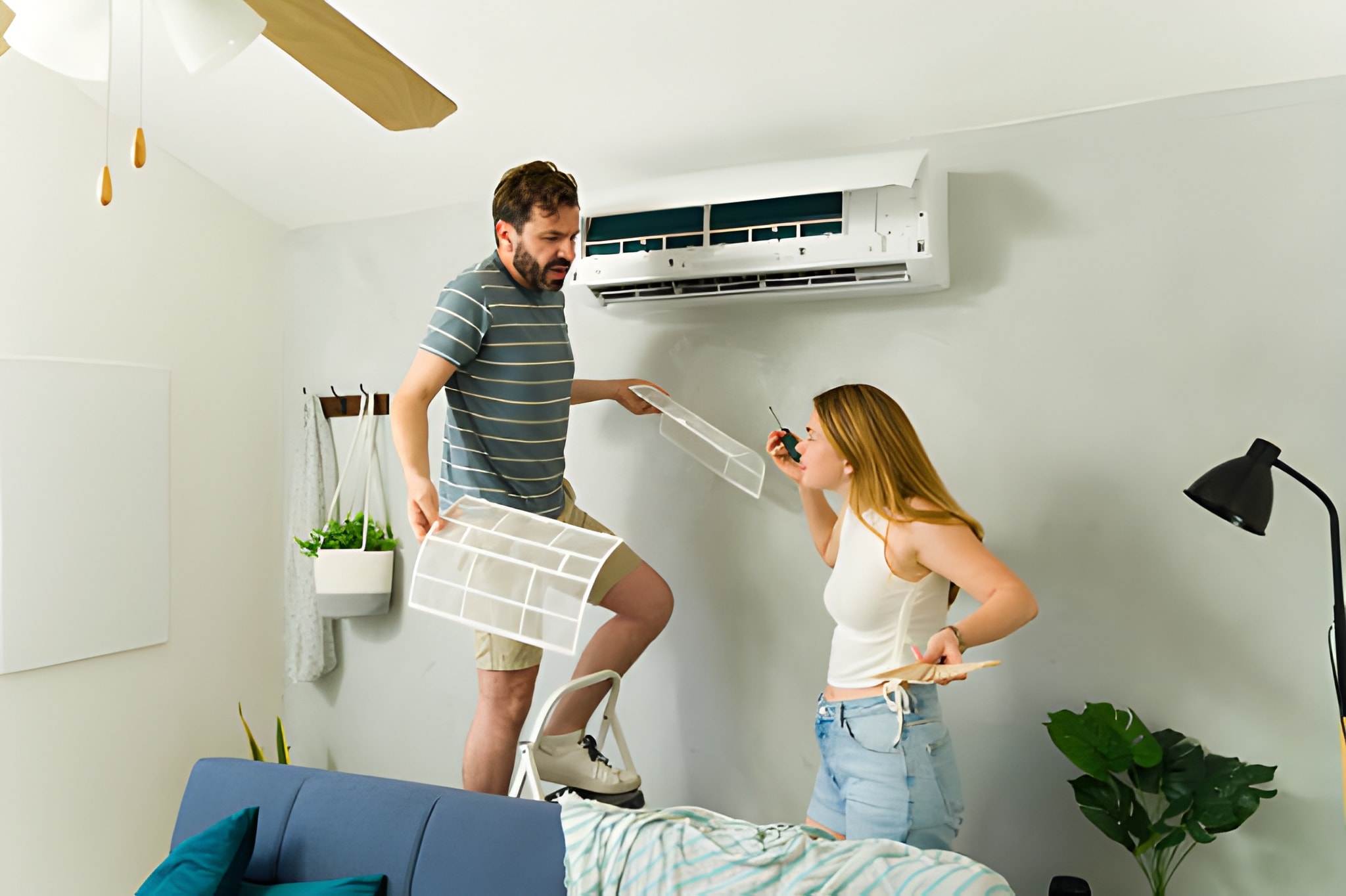
Mini Split Installation in Rock Island, WA
Mini Split installation in Rock Island, WA offers a flexible, energy-efficient solution for homes that need targeted heating and cooling without adding ductwork. With hot, dry summers and cold winters in the Wenatchee Valley, many Rock Island homes face uneven temperatures, second-floor overheating, or high energy bills from electric resistance heat. A correctly sized ductless mini split heat pump provides precise room-by-room comfort while often lowering operating costs and increasing home comfort year-round.
Why choose a mini split for Rock Island homes
- Ideal for older or historic homes without existing ducts.
- Perfect for room additions, workshops, sunrooms, garages, or bedrooms that need zoned climate control.
- Efficient performance in local climate patterns when matched and installed correctly.
- Compatible with local utility incentive programs that encourage heat pump adoption.
Common mini split installation types and problems in Rock Island
- Single-zone systems for one room or detached spaces.
- Multi-zone systems to serve multiple rooms with one outdoor unit.
- Replacing a failed window unit or baseboard heating with a ductless heat pump.
- Common issues homeowners face: undersized units, improper placement of indoor heads, visible refrigerant lines without professional concealment, inadequate condensate routing, and electrical limitations in older homes.
What to expect during the installation process
Below is an end-to-end overview of a professional mini split installation, explained in plain language.
1. Initial consultation and site/load assessment
- A trained technician visits your home to review the spaces you want to condition, take room dimensions, window orientation, insulation level, and assess solar gain.
- A Manual J style load calculation or similar sizing method is used to determine capacity needs. Accurate sizing prevents short cycling and inefficiency.
- The assessor checks outdoor unit placement options, electrical panel capacity, and possible routes for refrigerant lines and condensate.
2. System sizing and indoor/outdoor unit selection
- Selection balances capacity, efficiency (SEER/HSPF ratings), and features like variable-speed compressors or hyper-heat for colder months.
- For Rock Island, units with reliable cold-weather performance are recommended to maintain heat on chilly evenings without excessive electrical draw.
- Indoor head styles (wall-mounted, floor console, ceiling cassette) are chosen based on room layout and aesthetic preferences.
3. Mounting and refrigerant line routing
- Indoor units are mounted with careful attention to height and airflow patterns to avoid drafts or dead zones.
- Refrigerant and condensate lines typically run through a small 2-3 inch hole. Options to conceal lines include interior chaseways, soffits, or painted covers for a cleaner look.
- Outdoor units are placed on pads or brackets clear of debris, with adequate clearance for airflow and service access.
4. Electrical hookup and condensate arrangements
- The outdoor unit requires a dedicated electrical circuit sized to the selected unit. Older homes may need minor panel upgrades.
- Condensate can be routed to a nearby drain, a condensate pump, or a safe exterior discharge point. Proper slope and insulation prevent freeze-up and clogs.
5. Commissioning and performance testing
- After charging and connecting lines, technicians verify refrigerant charge, airflow, and system controls.
- Startup checks include measuring operating temperatures, electrical load, and verifying that each zone responds correctly to controls and thermostats.
- Final adjustments ensure quiet operation, balanced airflow, and efficient cycling.
Warranty and maintenance plan options
- Most manufacturers provide a factory warranty on compressors and parts; installer warranties cover workmanship. Keep warranty paperwork and register equipment.
- Recommended maintenance includes annual or biannual tune-ups: cleaning filters, checking refrigerant pressure, verifying electrical connections, and clearing condensate drains.
- Maintenance plans often include priority scheduling and seasonal inspections to sustain efficiency and extend equipment life.
Typical timeline
- Consultation and assessment: 1 visit, usually within a few days to a week depending on schedules.
- Equipment selection and ordering: commonly a few days to two weeks when models are in stock.
- Installation: single-zone installs often complete in one day; multi-zone systems or installations requiring electrical upgrades or line concealment can take 1-3 days.
- Final commissioning and walk-through: included on the installation day or the following business day.
What affects installation complexity in Rock Island
- Older houses with limited attic or wall access can require creative line concealment or minor carpentry.
- Homes on well landscapes or tight yards may need special outdoor pad placement.
- Local permitting or homeowner association rules may dictate outdoor unit placement or aesthetic treatments.
- Availability of utility rebates through Chelan County or local programs can influence equipment choice and paperwork needs.
Frequently asked questions - Mini Split Installation in Rock Island, WA
Q: How long before I feel the benefit after installation?
A: You should notice immediate temperature control in the treated rooms after commissioning. Efficiency gains become clearer over a billing cycle.
Q: Will installing a mini split require major remodeling?
A: No. Typical installations use a small access hole and surface-mounted covers if concealment is not possible. Some installs may include minor drywall or trim work for a seamless finish.
Q: Can a mini split heat my home in winter?
A: Yes. Modern mini split heat pumps provide heating in cold weather. For extremely low temperatures, select models with good low ambient performance.
Q: How noisy are indoor and outdoor units?
A: Indoor units are designed for quiet operation and are typically no louder than a whisper at low settings. Outdoor units produce moderate sound; proper placement minimizes impact.
Q: Do I need to clean filters or schedule service?
A: Filters should be cleaned or replaced regularly by homeowners; annual professional service is recommended to check refrigerant, electrical, and condensate systems.
Q: Are there rebates or incentives available locally?
A: Local utilities and programs sometimes offer rebates for switching from electric resistance heat to heat pumps. Check your local utility policies for eligibility.