
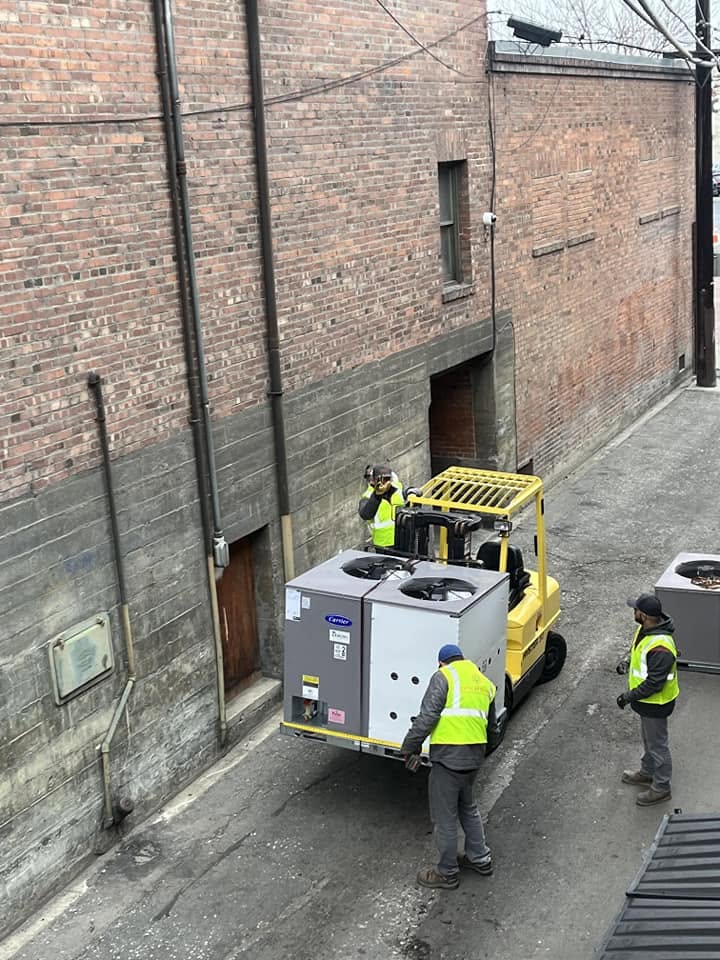
Emergency HVAC Service in Cashmere, WA

CaretDoubleDown

Scroll down to discover more

CaretDoubleDown
Emergency HVAC Service in Cashmere, WA

Keeping your home safe and comfortable year-round means being prepared for HVAC failures when they matter most. Emergency HVAC Service in Cashmere, WA provides 24/7 support for homeowners facing sudden breakdowns during heat waves, freezing nights, or other urgent situations. In a region where hot, dry summers and cold winter nights can both create dangerous indoor conditions, rapid, reliable emergency response minimizes risk to people and property while getting systems back to normal as quickly as possible

Why emergency HVAC service matters in Cashmere, WA

Cashmere and the surrounding Wenatchee Valley experience wide temperature swings and occasional extreme weather. Summer heat spikes can overload air conditioners and heat pumps, while winter cold snaps and arctic nights place heavy demand on furnaces. Rural properties and older homes may also have aging equipment or limited redundancy. When a system fails in extreme conditions, there is immediate risk of heat stress, frozen pipes, or unsafe combustion conditions. Emergency HVAC service addresses these risks with fast diagnostics, safety-first triage, and targeted repairs.

Common emergency scenarios in Cashmere homes

  • Complete air conditioning failure during heat waves, leading to unsafe indoor temperatures for infants, elderly, or pets  
  • Furnace or heat pump failures on subfreezing nights causing loss of heat and potential pipe-freezing risk  
  • No-heat or no-cool conditions caused by electrical issues: tripped breakers, faulty capacitors, or control board failures  
  • Gas furnace malfunctions with signs of carbon monoxide (CO) or persistent odor—requires immediate safety action  
  • Refrigerant leaks or compressor failure reducing cooling capacity rapidly during extreme heat  
  • Intermittent operation or short-cycling that indicates imminent component failure  
  • Outdoor unit damage (storms, debris, wildlife) that causes unsafe operation or electrical hazards

Rapid-response procedures you can expect

Emergency HVAC response follows a structured, safety-focused workflow designed to diagnose and stabilize your system quickly:

  1. Remote triage and information gathering  
    • Technicians collect key details: symptoms, recent noises or smells, the time the issue started, and any safety concerns (CO alarms, water leaks).  
  2. Prioritization and ETA assignment  
    • Cases with life-safety risks (CO alarms, medically vulnerable occupants, extreme temperatures) are prioritized for the fastest dispatch.  
  3. On-scene safety assessment  
    • Immediate checks for gas leaks, CO levels, electrical hazards, and water damage before any repair work begins.  
  4. Diagnostic testing and root cause identification  
    • Systematic inspection: electrical scans, airflow measurement, thermostat verification, combustion analysis for gas systems, and refrigerant pressure checks for cooling systems.  
  5. Temporary mitigation to protect occupants and equipment  
    • Short-term measures: resetting breakers, switching to auxiliary heat if available, isolating a leaking circuit, providing guidance on safe ventilation, and securing damaged outdoor units.  
  6. Repair plan and timeline estimate  
    • Technicians explain which repairs are required for safe restored operation and estimate how long parts and labor will take.

On-site diagnostics and temporary mitigation steps

A technician arriving at your Cashmere home will perform targeted diagnostic checks and may implement one or more temporary fixes to make your system safe and partially functional until full repair is possible:

  • Visual inspection for obvious damage or blockage (vents, outdoor coil, condensate lines)  
  • Electrical testing of capacitors, contactors, fuses, and breakers to identify failed components  
  • Verification of thermostat settings, wiring, and sensor function  
  • Combustion and CO testing for gas furnaces and boilers; immediate shutdown and ventilation if unsafe readings occur  
  • Refrigerant pressure checks and leak detection; short-term cooling solutions if leak repair requires a replacement compressor or part  
  • Temporary rerouting to auxiliary heat, installing a temporary space heater recommendation where safe, or advising on safe sheltering options in severe conditions

Typical repair timelines and what affects them

Repair timeframes depend on the fault and parts availability. Typical expectations:

  • Immediate fixes (on-site repairs): 1–3 hours — includes capacitor replacements, contactor swaps, thermostat reprogramming, or clearing condensate clogs.  
  • Component replacements with commonly stocked parts: same-day to 24 hours — motors, fan blades, certain control boards, and standard compressors if available.  
  • Major repairs or part-dependent jobs: 24–72 hours — unique or back-ordered parts, coil replacements, or major refrigerant circuit work.  
  • Full system replacement: several days to arrange equipment, permits, and installation scheduling.

Factors that affect timelines in Cashmere include seasonal demand (peak summer or winter), availability of specialty parts for older systems, and access constraints for rural properties.

Safety-first practices during emergency service

  • If carbon monoxide is suspected, evacuate the space and ventilate before entry; technicians will perform combustion analysis and shut down unsafe appliances.  
  • Electrical hazards are isolated first; power is shut off to the affected circuit prior to repairs.  
  • Refrigerant work follows EPA-compliant handling and leak-repair protocols to protect occupants and the environment.  
  • Technicians follow local codes and best practices for gas, electrical, and mechanical safety specific to Chelan County requirements.

Preventing emergencies: practical tips for Cashmere homeowners

Regular maintenance significantly reduces emergency callouts. Key preventive steps:

  • Seasonal tune-ups: pre-summer and pre-winter inspections to catch wear, clean coils, check refrigerant, and test combustion systems.  
  • Change or clean filters regularly; restricted airflow is a common cause of overheating and compressor failure.  
  • Install and maintain carbon monoxide and smoke detectors, especially near furnace rooms and bedrooms.  
  • Keep outdoor units clear of leaves, dust, and debris—dry summers can produce significant dust loads.  
  • Address unusual noises, odors, or performance dips early rather than waiting for total failure.

Broader benefits of timely emergency response

Fast, professional emergency HVAC service reduces downtime, limits secondary damage (frozen pipes, mold from condensation, electrical fires), and protects health during extreme temperatures. Prompt diagnostics also allow technicians to recommend cost-effective repairs or planned replacements before a crisis recurs.

FAQs

Q: What counts as an HVAC emergency in Cashmere, WA?
A: Loss of heating during freezing weather, total air conditioning failure during extreme heat, visible gas smell or CO alarm activation, water leaking into living spaces, or exposed electrical hazards are considered emergencies.

Q: How long will an emergency technician take to arrive?
A: Arrival times vary with severity and local demand; urgent life-safety situations are prioritized for the fastest dispatch, while non-life-threatening issues are scheduled based on availability and severity.

Q: Can a temporary fix keep my system running until parts arrive?
A: Many issues can be temporarily mitigated—such as switching to auxiliary heat, replacing small electrical components, or clearing obstructions—until full repairs or replacements are completed.

Q: How can I reduce the chance of an after-hours HVAC breakdown?
A: Regular seasonal maintenance, timely filter changes, keeping outdoor equipment clear, and addressing minor performance symptoms early all reduce the likelihood of emergency failures.