HVAC Service in Terrace Park, WA

Scroll down to discover more
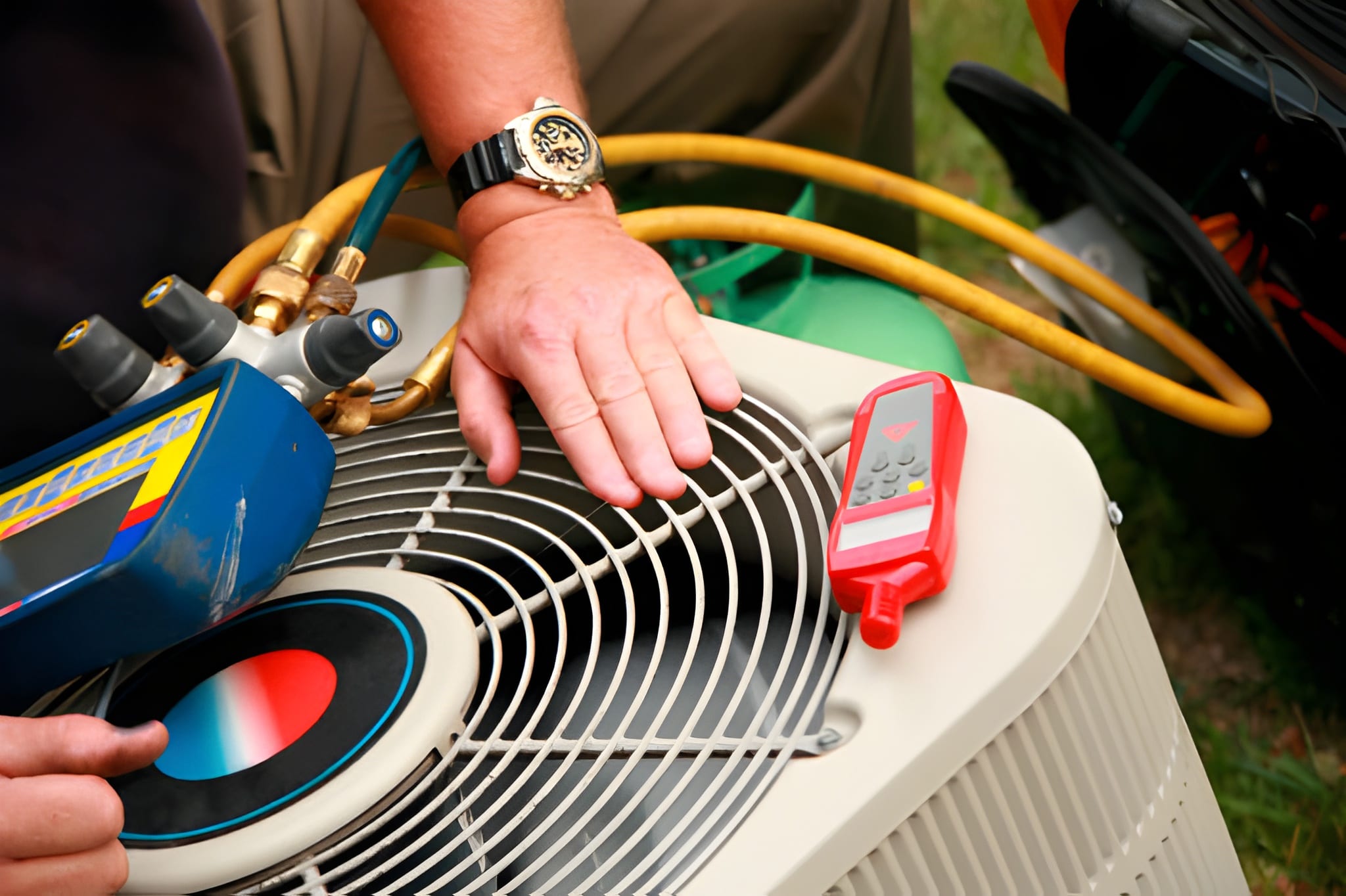
Keeping your home comfortable year-round in Terrace Park, WA means addressing both hot, dry summers and cold inland winters. Whether you need diagnostics, routine maintenance, a repair, or a full system installation, professional HVAC service in Terrace Park, WA is focused on reliability, indoor air quality, and energy efficiency—especially important here where temperature swings, dust, and seasonal wildfire smoke affect system performance and air quality
What we cover: full-range HVAC services for homes and light commercial properties
- Diagnostics — thorough inspection and testing to identify root causes of performance problems.
- Routine maintenance — seasonal tune-ups for heat pumps, furnaces, central air systems, and mini-splits to extend equipment life and maintain efficiency.
- Repairs — fixes for electrical faults, refrigerant leaks, ignition problems, compressor issues, and control failures.
- Replacements — guidance and installation when repair is not cost-effective, including system sizing and efficiency options.
- Installations — new system installs for ducted or ductless applications, zone control, and indoor air quality upgrades.
Common HVAC issues in Terrace Park, WA homes
Because Terrace Park sits in the Wenatchee Valley region, homes often face specific stresses that show up as HVAC problems:
- Poor cooling on the hottest summer afternoons (undersized units or low refrigerant)
- Short cycling or uneven heating in winter (thermostat, airflow, or improper sizing)
- Reduced airflow due to dusty filters and duct contamination from dry, dusty seasons
- Increased indoor smoke or odors during wildfire season (need for higher-grade filtration or air cleaners)
- Heat pump defrost or reversing valve problems in cold snaps
- Noisy operation from aging fans, bearings, or duct resonance
Diagnostic process: what to expect during a service visit
A professional diagnostic visit follows a methodical, safety-first approach:
- Arrival and safety checks: visual inspection, verify power and gas shutoffs where applicable.
- System history and homeowner interview: confirm symptoms, previous repairs, and recent changes.
- Performance tests: measure temperatures, pressures, electrical loads, airflow, and combustion (for furnaces).
- Component inspection: check filters, coils, condensate drains, ductwork, thermostats, and line sets.
- Findings and options: clear explanation of issues, prioritized repair list, and estimated costs for repair versus replacement.
- Written estimate and timeline: transparent breakdown of parts, labor, and expected completion window.
Repair vs replacement: how to choose
Key factors that influence the decision include:
- Age of the equipment (typical useful life: heat pumps 12-20 years, furnaces 15-25 years, central AC 10-15 years)
- Cost of repair relative to remaining equipment value
- Seasonal performance and energy bills
- Safety concerns (e.g., cracked heat exchanger on a furnace)
- Opportunity for improved efficiency and local incentives
If replacement is recommended, expect a load calculation (Manual J) to size the system correctly, permit guidance, removal and disposal of old equipment, and professional installation practices to meet manufacturer requirements and local codes.
Product types we service and common considerations
- Heat pumps – Ideal for energy-efficient heating and cooling in Terrace Park, but require correct refrigerant charge and periodic defrost cycle checks during colder months.
- Furnaces – Traditional forced-air systems that need annual combustion and safety inspections, especially before winter.
- Central air – Ducted cooling that benefits from duct sealing and proper refrigerant levels for best efficiency.
- Mini-splits / ductless – Flexible solutions for additions, garages, or rooms without ducts; installation requires careful line set routing and condensate handling.
What to expect during installation or replacement
- Pre-install planning: load calculation, equipment selection, and site prep.
- Permit and inspection coordination when required by local codes.
- Professional installation: secure mounting, correct refrigerant charge, electrical hookup, and condensate management.
- System commissioning: verify performance, air balancing, thermostat setup, and user walkthrough.
- Cleanup and disposal: removal of old equipment and job site cleanup.
Scheduling and service logistics in Terrace Park
- Seasonal demand affects lead times: spring and late summer are busier for AC service; fall for heating tune-ups.
- Same-day or next-day diagnostic visits may be available for urgent failures, though response can vary with regional demand and weather events.
- Emergency issues like gas smells or no heat in freezing conditions warrant priority attention and a same-day safety assessment.
- Expect technicians to provide an arrival window, bring common replacement parts, and explain any additional parts lead times if a larger component is required.
Customer expectations for service visits
- Technicians will present identification, explain safety procedures, and use drop cloths and shoe covers to protect your home.
- You will receive a clear verbal and written summary of findings, recommended repairs or replacement options, and an estimated timeline for work.
- Any work performed should include post-service testing to confirm proper operation and a review of system maintenance recommendations.
- Discuss warranties for parts and labor as part of final paperwork and retention of any relevant manufacturer registration.
Maintenance and indoor air quality tips for Terrace Park residents
- Replace or clean filters every 1-3 months; use higher MERV filters or HEPA-grade filtration when wildfire smoke is present.
- Keep outdoor units clear of debris, irrigation spray, and excessive dust buildup.
- Schedule annual heating and cooling tune-ups to catch wear early and maintain warranty compliance.
- Seal ducts and insulate accessible duct runs to reduce energy loss in older homes.
- Consider a smart thermostat, zoning, or mini-splits for targeted comfort control and energy savings.
Frequently Asked Questions
Q: How often should I schedule HVAC maintenance in Terrace Park?
A: Schedule a cooling system check in spring and a heating system check in fall. Homes with heavy dust or wildfire smoke exposure may need more frequent filter changes and mid-season inspections.
Q: Will a repair or replacement lower my energy bills?
A: Repairs that return equipment to proper operating condition can improve efficiency. Replacing aging, inefficient equipment with a correctly sized high-efficiency system typically yields the largest long-term energy savings.
Q: How long does a typical replacement installation take?
A: A standard furnace or central AC replacement typically takes 1 to 2 days depending on complexity. Mini-split installations can vary from a half day to a full day per zone. Permit and inspection schedules can affect total elapsed time.
Q: Can you help with indoor air quality during wildfire season?
A: Yes. Effective steps include using higher-efficiency filters, portable HEPA air cleaners for occupied rooms, sealing gaps that allow outdoor air infiltration, and ensuring your HVAC system is well-sealed and maintained.
Q: What causes short cycling and is it dangerous?
A: Short cycling can be caused by oversized equipment, refrigerant issues, a failing thermostat, or airflow restrictions. It reduces comfort, increases wear, and can raise energy costs. It should be diagnosed promptly.
Q: Are rebates or incentives available for heat pump upgrades in this area?
A: Local utility and state programs sometimes offer rebates for switching to heat pumps or upgrading to high-efficiency equipment. Check current local incentive programs when evaluating replacement options.