Emergency HVAC Service in Crescent Bar, WA

Scroll down to discover more
When an HVAC system fails in Crescent Bar, WA, the consequences are immediate: unbearable summer heat along the Columbia River or freezing indoor temperatures in winter nights. Emergency HVAC service in Crescent Bar, WA provides 24/7 rapid-response support designed to restore comfort quickly while protecting people and property
Why emergency HVAC matters in Crescent Bar, WA
Crescent Bar has hot, dry summers and cold snaps in winter. Prolonged heat can create dangerous indoor conditions for children, seniors, and pets. Cold weather risks include frozen pipes and condensation-related damage. Rural service routes and seasonal demand spikes make timely emergency response essential. Fast action prevents further damage, reduces repair complexity, and addresses safety risks such as carbon monoxide exposure and electrical faults.
Common emergency HVAC scenarios in Crescent Bar
- Complete system failure: Indoor unit and outdoor unit do not start at all. Often due to electrical faults, control board failures, or lost power.
- No cooling during heat waves: Compressor failure, refrigerant loss, or blocked condensers reduce or stop cooling output.
- No heat in cold weather: Furnace ignition failure, failed heat pump reversing valve, or persistent thermostat errors leave homes unheated.
- Strong odors or gas smell: Possible natural gas leak or severe equipment combustion issues that require immediate evacuation and shutoff.
- Water leaks and flooding: Condensate drain clogs or cracked drain pans can cause water damage and mold risk.
- Strange noises or smoking: Rattling, grinding, or electrical burning smells indicate imminent component failure or safety hazards.
- Short cycling or repeated tripping: Repeated starts/stops or breakers tripping point to electrical issues or major component stress.
Rapid-response procedures you can expect
- 24/7 dispatch triage: Emergency dispatch gathers essential information to prioritize calls and route the closest qualified technician.
- Estimated arrival and pre-arrival guidance: The dispatcher provides an estimated arrival window and safety steps to minimize risk while waiting.
- Technician preparation: Techs arrive equipped with common replacement parts, diagnostic tools, and safety gear to handle most on-site emergencies.
- Safety-first approach: Technicians secure gas and electrical hazards before running diagnostics.
- On-site assessment and transparent options: After diagnosis, technicians explain immediate actions and outline permanent repair or replacement options.
Typical on-site diagnostic steps
- Visual inspection and safety check: Look for gas leaks, visible damage, water pooling, or burned wiring.
- System power and control verification: Confirm breakers, fuses, switches, and thermostat settings are correct.
- Airflow and blower inspection: Check filters, fans, and duct obstructions which often cause poor performance.
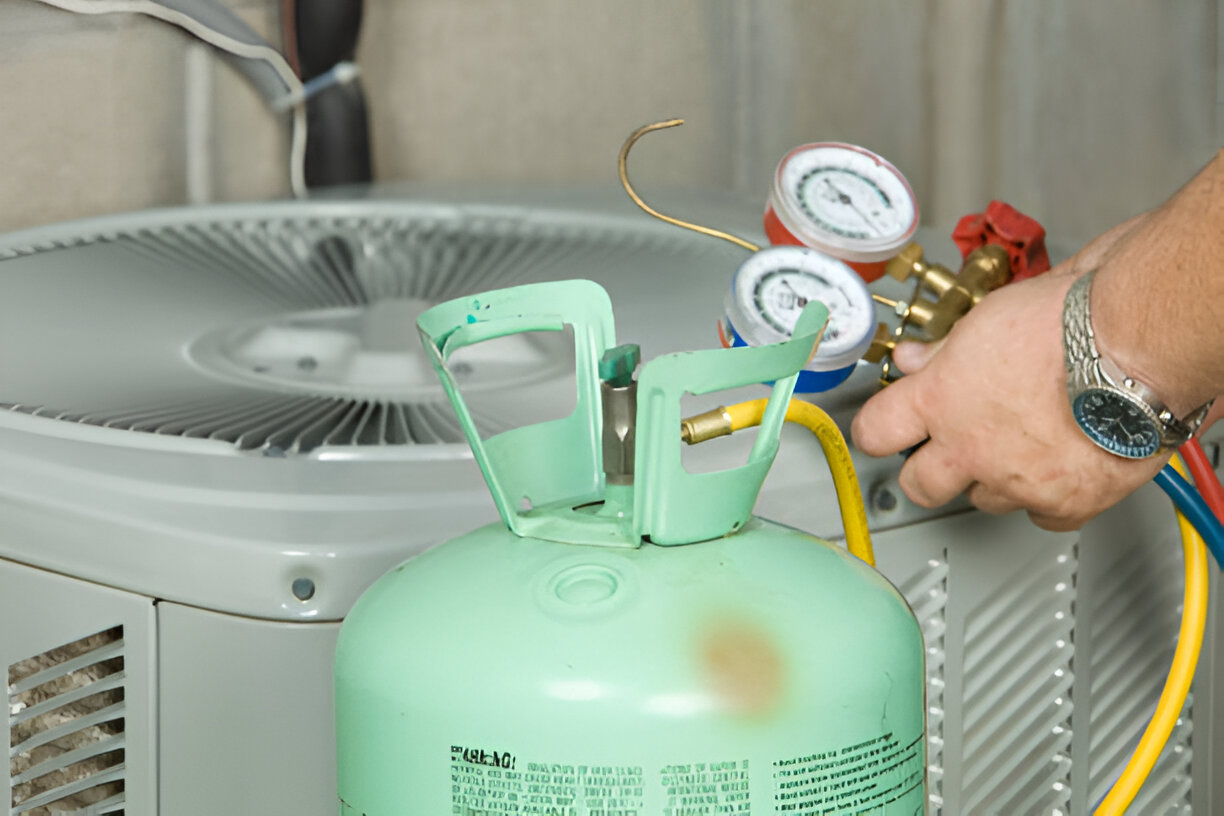
- Refrigeration and compressor checks: Measure pressures and listen for compressor operation to identify refrigerant leaks or compressor failures.
- Heat generation components: Inspect burners, ignition, heat exchanger, and reversing valves for furnaces and heat pumps.
- Electrical component testing: Test contactors, capacitors, motors, and control boards for faults.
- Functional test and monitoring: Run the system to verify symptoms and isolate intermittent issues.
Temporary safety measures versus permanent repairs
Temporary measures
- System restart and breaker checks: Safe resets can restore operation if a transient fault occurred.
- Isolated shutdown of hazardous components: Turning off a faulty unit to eliminate immediate danger while preserving equipment.
- Temporary heating or cooling solutions: Use of safe, approved portable heaters or fans in limited scope to protect occupants (with guidance on safe use).
- Condensate drip pans and temporary drainage: Prevent water damage until a permanent fix is completed.
Permanent repairs
- Component replacement: Replacing compressors, control boards, motors, or heat exchangers as diagnosed.
- Refrigerant leak repair and recharge: Locate and repair leaks before recharging to meet performance and environmental standards.
- Ductwork or drain rework: Repairing collapsed ducts or repitching drains to stop recurring problems.
- System replacement: When long-term reliability or efficiency is compromised, full system replacement may be recommended.
When an immediate safety risk exists (gas smell, smoke, or electrical burning), temporary measures focus on evacuation and system shutdown. For non-hazardous failures, temporary fixes buy time until a permanent repair or replacement can be scheduled.
What to have ready when you call the emergency line
- Exact address and access instructions, including gate codes or locked areas.
- System type and age (furnace, heat pump, central air, mini-split).
- Clear description of symptoms (no cooling, loud noise, water leak, gas smell).
- Recent maintenance history or recent repairs.
- Any visible warning lights, error codes on thermostats, or breaker trips.
- Photos or short videos of the equipment and problem area when safe to take them.
- Providing these details speeds triage and helps dispatch the right technician and parts.
Why quick action protects your home
Prompt emergency service reduces the risk of secondary damage: water damage and mold from leaks, costly compressor seizure from running without refrigerant, and burst pipes in cold spells. It also mitigates health risks from carbon monoxide and heat stress. Rapid diagnosis often allows for targeted repairs that restore comfort without unnecessary full replacements.
Reduce the chance of future emergencies
- Schedule seasonal tune-ups to catch wear and small issues before they escalate.
- Replace filters every 1 to 3 months depending on use and household factors.
- Keep outdoor units clear of debris, vegetation, and stored items.
- Seal and insulate ducts and pipes exposed to cold to prevent freeze-related failures.
- Monitor system performance and address odd noises or reduced efficiency early.
FAQs
Q: How quickly can emergency HVAC help arrive in Crescent Bar?
A: Arrival times vary by call volume and route conditions; dispatch prioritizes safety risks and sends the closest qualified technician with an estimated arrival window during the triage call.
Q: Will an on-site technician always complete repairs the same day?
A: Technicians carry common parts and can often perform same-day repairs for many failures; if specialized parts or major components are needed, they will provide secure temporary measures and schedule the permanent repair.
Q: What should I do if I smell gas or suspect a carbon monoxide leak?
A: Evacuate the building immediately, avoid operating electrical switches, and follow local emergency services protocols. Do not attempt to restart equipment. Inform the emergency HVAC dispatcher that you suspect a gas or CO issue so the response can prioritize safety.
Q: Is emergency service available overnight and on holidays in Crescent Bar?
A: Emergency support operates round-the-clock to address urgent HVAC failures. Availability for non-emergency diagnostics and planned work is typically scheduled during regular service hours.
Q: Can I prevent most HVAC emergencies with regular maintenance?
A: Regular seasonal maintenance significantly reduces the risk of sudden failures by identifying worn components, addressing refrigerant loss, and improving system efficiency before an emergency occurs.
Q: What information helps speed diagnosis during an emergency call?
A: System type, age, symptom details, breaker behavior, error codes, recent service history, and photos of the equipment all help dispatch the right technician and parts quickly.