
Emergency HVAC Service in Entiat, WA

Scroll down to discover more
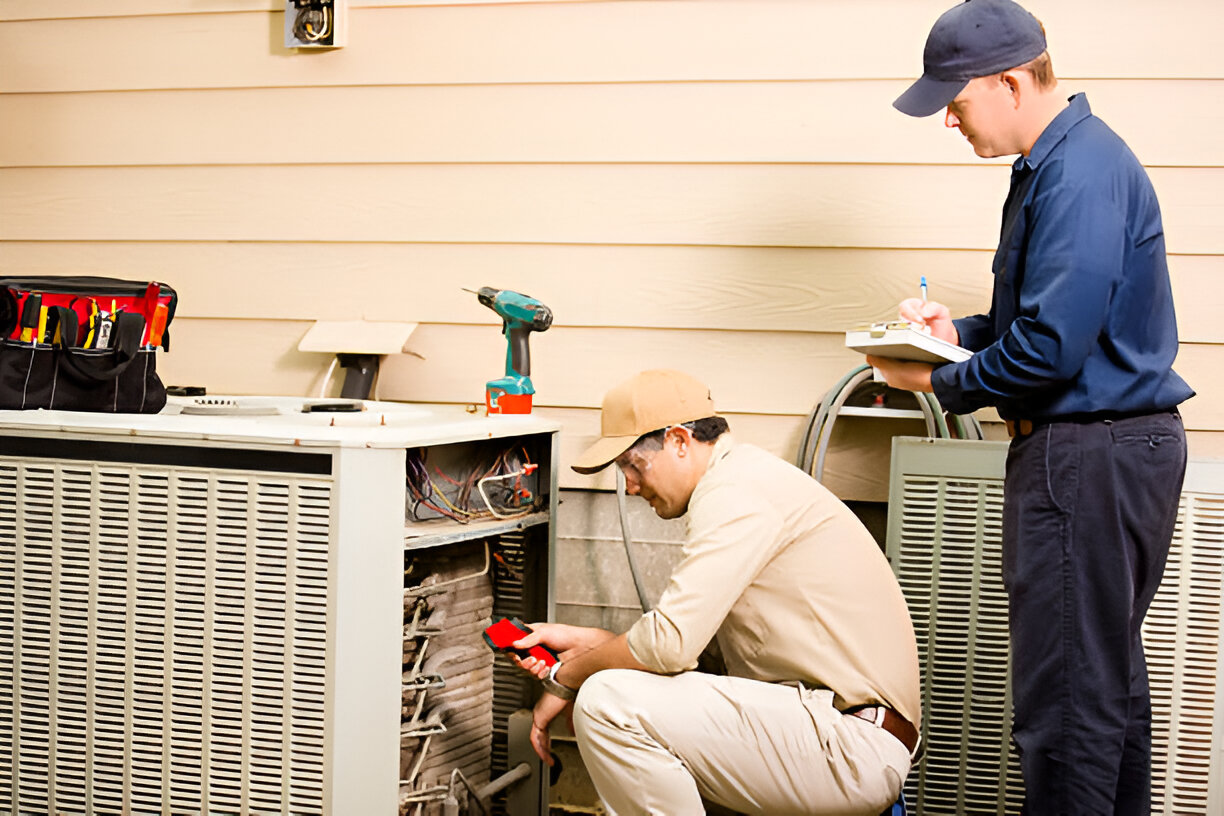
When your heating or cooling fails unexpectedly, especially during Entiat’s hot summer afternoons or cold river-valley nights, a fast, reliable emergency HVAC response matters. Emergency HVAC Service in Entiat, WA explains how 24/7 rapid-dispatch procedures work, what typical emergency scenarios look like, how technicians diagnose and secure systems on-site, and what you can expect for response times, safety protocols, and warranty handling
Why 24/7 emergency HVAC matters in Entiat
Entiat experiences wide temperature swings—hot, dry summers and chilly winters—so a sudden loss of air conditioning or heating can quickly create uncomfortable or unsafe conditions. Many local homes are remote or on winding roads, which affects travel time for technicians and makes fast triage and pre-planning essential. Seasonal wildfire smoke also increases demand for immediate HVAC solutions that protect indoor air quality.
Common emergency HVAC scenarios in Entiat
- Complete system failure: furnace, heat pump, or central AC stops working and will not restart.
- No heat or no cooling: system runs but produces no warm or cool air due to compressor, ignition, or reversing valve failures.
- Refrigerant leaks: visible oil, hissing sounds, or loss of cooling capacity indicating a refrigerant leak.
- Electrical faults: tripped breakers, burned wiring, or failed control boards causing intermittent operation.
- Gas leaks or combustion problems: smell of gas, yellow pilot flames, or suspected carbon monoxide risk.
- Frozen coils or blocked condensate drains: water leaks, system shutdowns, or ice on outdoor units.
- Power-outage related failures: damage after surges, failed capacitors, or unsafe restart conditions.
Rapid-dispatch and triage process
- Immediate triage: When you report an emergency, a dispatcher asks targeted questions (symptoms, system type, safety risks, home accessibility) to prioritize life-safety issues first.
- Pre-dispatch preparation: Technicians receive system details, address specifics, and route-optimized directions so they arrive ready. Trucks are stocked with common emergency parts and diagnostic tools to perform immediate repairs on the first visit when possible.
- Prioritization: Homes with life-safety concerns (no heat in freezing conditions, gas leaks, suspected carbon monoxide) get top priority; other failures are triaged by impact and accessibility.
- Local routing: For Entiat and nearby Wenatchee Valley communities, local routing accounts for seasonal road conditions, river access, and remote properties to set realistic ETA.
On-site diagnostics: what technicians do first
- Visual safety check: Inspect for gas smell, electrical hazards, water leaks, or visible damage before powering any equipment.
- System identification: Confirm make, model, age, and recent service history to anticipate common failure modes.
- Basic functional tests: Thermostat checks, power verification, airflow assessment, and compressor or ignition testing.
- Instrumented diagnostics: Use multimeters, pressure gauges, refrigerant leak detectors, combustion analyzers, and flue inspection cameras as needed to pinpoint root causes.
- Document findings: Photographs, test readings, and written notes ensure transparency and form the basis for any warranty claims.
Temporary safety measures and immediate repairs
- Safe shutdown: If the system is unsafe (gas smell, electrical arcing, refrigerant leak), the technician will shut down the unit, isolate the circuit or gas valve, and secure the area.
- Containment and ventilation: For refrigerant or combustion issues, technicians will ventilate the space and isolate the source until permanent repair is possible.
- Temporary fixes: Common emergency remedies include replacing failed starters or capacitors, patching refrigerant access lines for short-term containment, clearing condensate drains, or replacing failed safety sensors to restore basic operation.
- Temporary heating/cooling advice: Technicians can recommend safe temporary measures (portable electric heaters with proper clearance, fans, or alternate zones) while permanent repairs are scheduled. Homeowners should not attempt gas appliance repairs or refrigerant handling themselves.
Expected response times in Entiat, WA
- Typical local response: For Entiat addresses, expect a typical initial response window of 30 to 90 minutes when crews are in the immediate area.
- Nighttime and high-demand periods: Response may extend to 2–3 hours during overnight hours, extreme weather, or wildfire events when crews must prioritize life-safety calls and navigate road conditions.
- Remote properties: Homes on remote roads or with difficult access may have longer ETAs; dispatch will confirm estimated arrival and any travel constraints.
- Transparency: Accurate ETA depends on current call volume, road conditions, and technician location; dispatch should provide updates when circumstances change.
Safety and warranty handling
- Safety-first approach: Technicians follow building code, gas-safety, and refrigerant-handling protocols. If a gas or carbon monoxide risk is present, they will secure the site and advise evacuation if needed.
- Documentation for warranties: Technicians document pre-failure condition, repair steps, and parts used to support manufacturer or third-party warranty claims. Proper record-keeping protects your coverage and shows compliance with required service intervals.
- Parts and warranty considerations: Some warranties require factory parts or certified installation records; the technician will explain how proposed emergency repairs may affect existing warranties and what to expect for follow-up permanent repairs.
What to have ready before the technician arrives
- System information: Make/model, age, last service date, and any error codes displayed.
- Recent changes: Battery replacements, thermostat changes, or recent electrical work.
- Accessibility notes: Gate codes, locked areas, or narrow driveways that could affect arrival time.
- Safety info: Presence of pets, medical needs, or potential hazards in the home.
FAQs
Q: How quickly can you arrive for an HVAC emergency in Entiat?
A: Typical response for Entiat addresses is 30 to 90 minutes when a crew is nearby; expect longer ETAs during overnight hours, extreme weather, or high call volume.
Q: What should I do right now if I smell gas or suspect carbon monoxide?
A: Evacuate the home immediately, avoid operating electrical switches or appliances, and notify emergency services; do not attempt to locate the leak yourself.
Q: Can emergency technicians perform full repairs on the first visit?
A: Many common emergency repairs (capacitors, contactors, drain clearing, temporary refrigerant containment) can be completed on the first visit. More complex repairs requiring specialized parts may need a follow-up appointment.
Q: Will emergency repairs affect my equipment warranty?
A: Technicians will document all work and explain warranty implications. Using factory parts and following manufacturer service requirements helps preserve warranty coverage.
Q: Are you able to handle heat pump emergencies during Entiat winters?
A: Yes. Emergency service covers heat pump defrost issues, compressor failures, and backup heating integration; safety checks and temporary measures are used to protect your home until permanent repairs are made.