Emergency HVAC Service in Lake Wenatchee, WA

Scroll down to discover more
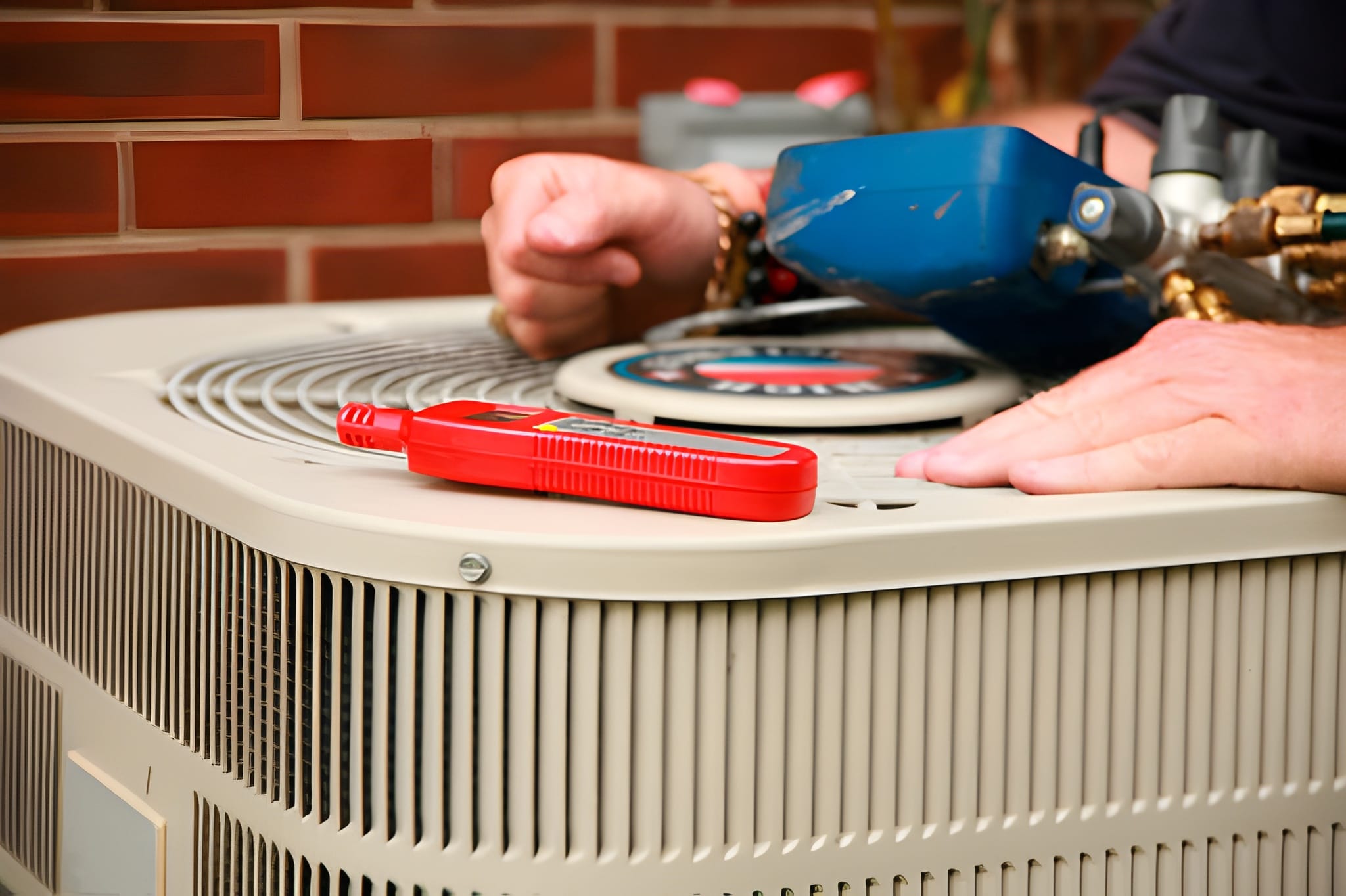
When your heating or cooling system fails unexpectedly, the stakes are higher in Lake Wenatchee homes. Cold mountain winters, occasional heat spikes in summer, seasonal vacation properties, and limited road access during storms make rapid, competent emergency HVAC response essential
Common emergency HVAC scenarios in Lake Wenatchee homes
- Complete system failure during freezing nights (no heat from furnace or heat pump).
- Sudden loss of cooling during high-elevation heat days or in lakeside cabins with limited ventilation.
- Carbon monoxide or gas-safety concerns (unusual odors, pilot outages, suspected leaks).
- Electrical faults: tripped breakers that do not reset, burning smells, or smoke.
- Refrigerant leaks causing compressor lockout and loss of cooling.
- Frozen heat pump lines, iced outdoor units, or blocked condensate drains.
- Thermostat or control failures leaving systems unresponsive.
- Systems damaged by power surges, wildfire smoke infiltration, or rodents in ducts.
- Vacation-home issues: systems left running during long closures, burst pipes due to frozen condensate or water lines.
Typical response times and what affects arrival
Response windows in and around Lake Wenatchee are influenced by weather, road conditions, and seasonal demand. Typical ranges technicians operate within:
- Local, accessible properties during normal conditions: 1 to 3 hours.
- Remote lakeside cabins or locations with difficult access: 2 to 6 hours depending on road and weather.
- Severe weather, heavy snowfall, or peak holiday periods: response times may be extended beyond typical windows.
Factors that affect arrival time include snow-clearing needs, cell service availability for coordination, whether a property is a seasonal rental, and the time of day. Emergency response prioritizes life-safety concerns first (carbon monoxide, fire risk, loss of heat in extreme cold).
On-site diagnostic process: what happens first
- Safety triage: immediate checks for signs of carbon monoxide, gas leaks, electrical burning, or unsafe conditions. If a safety risk is present, the system is isolated before any diagnostics proceed.
- System overview: technicians identify system type (furnace, heat pump, mini-split, central AC) and review thermostat behavior and recent events.
- Visual and quick tests: inspect filters, vents, outdoor unit condition, breaker panel, and visible ductwork or condensate lines.
- Instrumented diagnostics: combustion analysis for gas equipment, refrigerant pressure checks, electrical testing, airflow measurements, and temperature differentials.
- Root-cause determination: combining observations and test data to identify immediate fault and underlying causes (age, neglect, mechanical failure, or environmental damage).
Emergency temporary repairs vs long-term solutions
- Temporary fixes (to restore safe operation or comfort quickly):
- Resetting and isolating circuits or replacing blown fuses where appropriate.
- Resetting safety switches or controls after resolving the underlying trigger.
- Bypassing a failed zone control temporarily while documenting the condition.
- Restarting compressors or initiating emergency heat mode on heat pumps to provide warmth.
- Installing a temporary condensate bypass or patching minor refrigerant access points for short-term operation.
- Long-term repairs and replacements:
- Replacing failed compressors, heat exchangers, control boards, or motors.
- Repairing and recharging refrigerant loops with proper leak repair and testing.
- Upgrading aged systems to more reliable, efficient equipment, which is especially valuable in Lake Wenatchee where prolonged cold or absentee ownership can worsen recurring problems.
- Correcting ductwork leaks, insulation issues, or adding appropriate ventilation to handle wildfire smoke or high-humidity lake-air conditions.
Technicians will clearly label any temporary repairs, explain the limitations, and recommend next steps for a permanent fix.
Safety protocols technicians follow on emergency calls
- Personal protective equipment and site hazard assessment before entering occupied spaces.
- Combustion and carbon monoxide testing for any gas-fired appliance.
- Lockout/tagout procedures for electrical isolation when hazardous conditions are detected.
- Refrigerant handling per environmental and safety standards; leak detection and repair before recharge when feasible.
- Clearance for work in winter conditions: snow-safe footing, protected equipment access, and proper ventilation if emergency heaters are used.
- Documentation of all findings, temporary measures, and recommended follow-up items—important for vacation properties and homeowners who are off-site.
How to prepare for an urgent HVAC visit (what helps speed repairs)
- Know your system type and age, and have thermostat brand/model and serial numbers available if possible.
- Note any recent maintenance or unusual events (power outages, wildlife activity, prior repairs).
- Provide simple access instructions for remote or gated properties and identify where keys or lockboxes are located.
- If a safety concern exists (smell of gas, suspected CO), evacuate occupants and report the situation through local emergency channels per municipal guidance; technicians will prioritize a safety triage on arrival.
- Take photos or short videos of visible issues (control panels, error codes, outdoor unit) to help remote triage before arrival when connectivity allows.
Why prompt emergency response matters in Lake Wenatchee
- Prevents freeze damage: restoring heat quickly reduces the risk of burst pipes and costly secondary damage in cold months.
- Reduces safety risk: rapid identification of gas leaks or combustion problems lowers the chance of carbon monoxide poisoning or fire.
- Preserves comfort in vacation and rental properties: addressing issues promptly avoids guest disruptions and long-term equipment damage.
- Lowers long-term costs: early intervention often means repair instead of full system replacement, especially for refrigerant or minor electrical failures.
FAQs
Q: What qualifies as an HVAC emergency in Lake Wenatchee?
A: Life-safety threats (gas smell, carbon monoxide alarm, smoke), complete loss of heat in freezing weather, electrical burning smells, or sudden system failure that risks property damage.
Q: How fast can a technician typically arrive for an emergency at Lake Wenatchee?
A: Typical response windows range from about 1 to 3 hours for accessible homes and 2 to 6 hours for remote lakeside properties, with weather and road conditions affecting arrival.
Q: Can technicians perform temporary fixes to get a system running immediately?
A: Yes; technicians often apply safe temporary measures to restore heat or cooling while outlining recommended permanent repairs and safety checks.
Q: Are carbon monoxide and gas leak tests performed during emergency visits?
A: Yes; safety triage includes combustion analysis, CO testing, and gas leak detection before any repair work begins when gas appliances are involved.
Q: What should owners of seasonal or vacation homes do to reduce emergency risk?
A: Keep routine maintenance current, winterize properly, provide clear access instructions, and consider remote monitoring or regular on-site checks during cold months.
Q: Will temporary repairs be documented for follow-up?
A: Technicians will document all temporary actions, test results, and recommended next steps so you have a clear plan for long-term repair or replacement.