Emergency HVAC Service in Malaga, WA

Scroll down to discover more
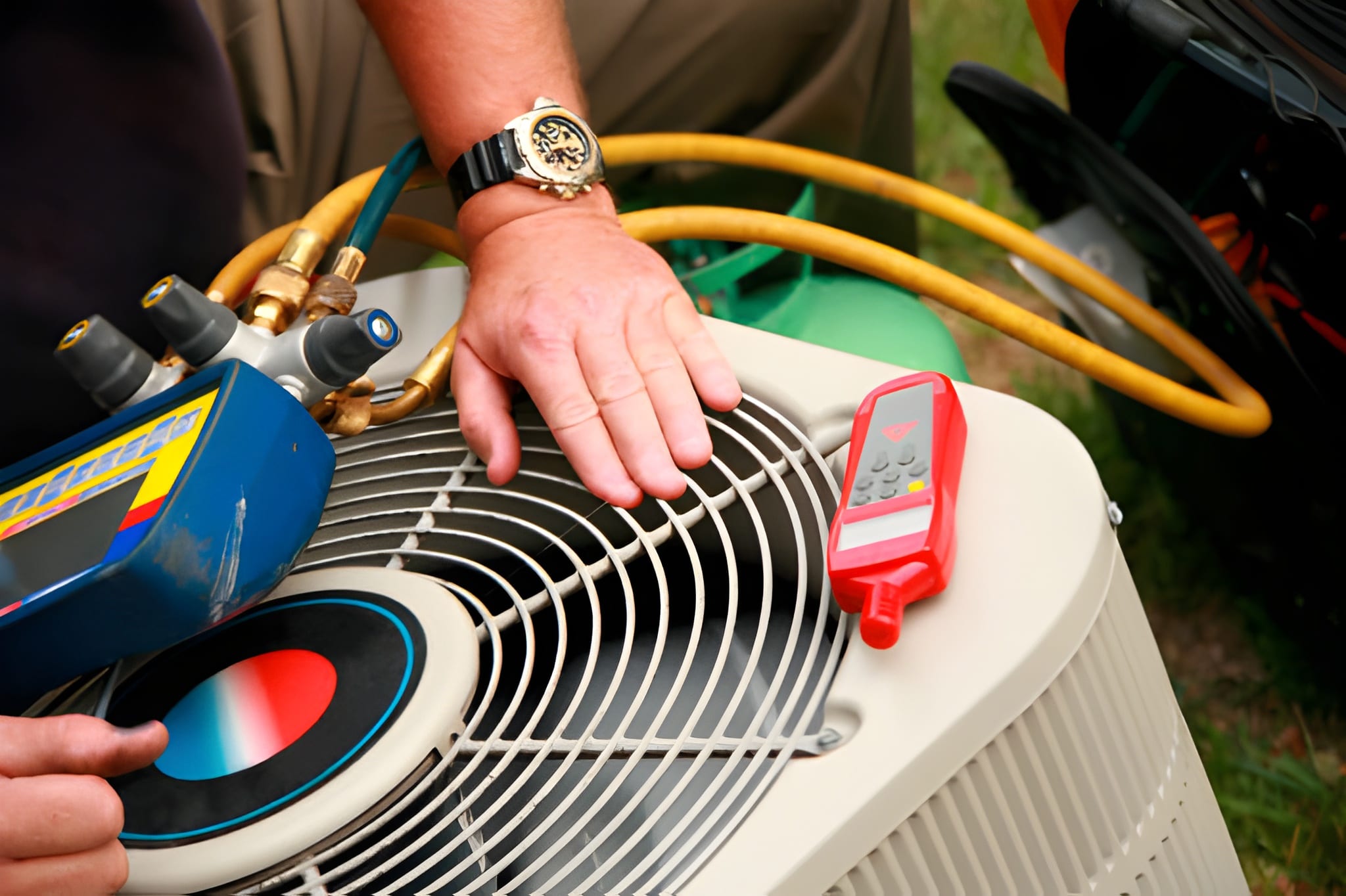
When an HVAC system fails unexpectedly, the disruption can be immediate and dangerous — especially during Malaga, WA heat spikes, winter cold snaps, or wildfire smoke events that reduce indoor air quality. Emergency HVAC Service in Malaga, WA delivers 24/7 response focused on fast diagnostics, safe temporary measures, and durable repairs so homes and small businesses regain safe, stable climate control
Common emergency HVAC scenarios in Malaga, WA
Malaga’s climate and seasonal challenges create predictable emergency calls. Typical urgent issues include:
- Loss of cooling during summer heat waves (indoor temperatures rising quickly)
- Complete furnace failure on cold nights or loss of heat for vulnerable occupants
- Gas odors or suspected natural gas appliance leaks
- Carbon monoxide alarm activation related to heating equipment
- Sudden water leaks from condensate lines, clogged drain pans, or coil overflows
- Electrical trips, breakers blowing, or system shorting and sparking
- Frozen evaporator coils or compressor lockouts after repeated short cycles
- Refrigerant leak symptoms: rapid loss of cooling, hissing sounds, or ice on refrigerant lines
- Severe reduced airflow caused by fan motor failure, blocked ductwork, or collapsed ducts
- Indoor air quality emergencies during wildfire smoke when filtration systems fail
These scenarios require quick, prioritized action to protect health, property, and system components.
Rapid diagnostic workflow for emergency HVAC repairs
Emergency response follows a structured diagnostic process designed to identify root causes quickly and enable immediate stabilization:
- Remote triage: Technicians gather critical information by phone or portal — symptoms, recent service history, safety concerns (smell of gas, alarms), and whether occupants are vulnerable.
- Onsite safety check: Upon arrival, a visual inspection for hazards (gas odor, water pooling, burned wiring) and verification of carbon monoxide and combustible gas levels using calibrated detectors.
- System baseline checks: Confirm power at the breaker, thermostat settings and batteries, filter condition, and visible control wiring.
- Targeted diagnostics: Use of multimeter for electrical checks, refrigerant gauges for pressure readings, combustion analyzer for furnaces, and infrared imaging to find hot/cold spots and failed components.
- Temporary stabilization: If immediate full repair isn’t possible, technicians implement safe temporary measures (isolating a leaking circuit, installing a temporary condensate pump, or setting a secondary heat source) to protect occupants while scheduling follow-up work.
- Repair or replacement decision: Based on diagnostics, technicians recommend repair or component replacement and prioritize actions that restore safe operation and prevent collateral damage.
Common quick repairs performed on emergency calls include replacing failed capacitors, restoring power to tripped circuits, clearing condensate clogs, re-establishing thermostat communication, replacing limit switches on furnaces, and making temporary refrigerant repairs until full leak resolution is practical.
Estimated response times in Malaga, WA
Response timing depends on time of day, severity, and local demand. Typical patterns in the Malaga and Wenatchee Valley area are:
- High-priority life-safety issues (gas leak, CO alarm, active water intrusion): technician dispatch within about 30 to 90 minutes when staff are available.
- Urgent comfort failures (no cooling during heat wave, no heat for occupants): on-site response often within 1 to 4 hours depending on call volume and time of day.
- Non-critical emergency calls (noisy system, intermittent operation, after-hours inquiries): same-day or next-available-window scheduling with temporary safety guidance provided remotely.
During regional emergencies such as multi-day heat waves or major wildfire events, response windows can extend due to surge demand. Remote stabilization advice and safety instructions are provided immediately in those cases.
Safety protocols followed on every emergency dispatch
Emergency HVAC work prioritizes occupant safety and technician protection:
- Immediate gas and carbon monoxide testing on arrival when combustion equipment is present.
- Use of PPE (gloves, eye protection, respirators when smoke or fumes are present).
- Electrical isolation and lockout/tagout procedures before any electrical work.
- Containment and extraction procedures for refrigerant and contaminated water to avoid cross-contamination.
- Safe handling and documentation for any fuel- or combustion-related repairs, including advising occupants on when to evacuate.
- Clear communication about temporary shutdowns and follow-up repair needs to prevent repeat hazards.
Technicians also respect local codes and permitting requirements for repair and replacement work that arise during emergency calls.
Priority dispatching: how emergencies are triaged
Emergency calls are triaged to match skill set and urgency:
- Priority 1 (Life-safety): Gas leaks, CO alarms, active water flooding, electrical sparking or smoke — immediate dispatch of a certified technician with life-safety tools.
- Priority 2 (Critical comfort for vulnerable occupants): Loss of heating in winter or cooling in extreme heat for infants, seniors, or medically dependent residents — rapid dispatch with emphasis on temporary solutions if parts are not immediately available.
- Priority 3 (Urgent but non-life-threatening): Severe reduction in performance, loud mechanical noise, or ongoing leaks — scheduled as urgent same-day work with remote guidance.This structure focuses resources where they protect health and property first, then restore comfort and efficiency.
What to expect during an emergency visit
A typical emergency visit in Malaga follows these steps:
- Arrival and immediate hazard assessment
- Brief homeowner interview to confirm symptoms and safety concerns
- Power and gas isolation if needed
- Diagnostic testing focusing on the most likely failure points
- Onsite repair or temporary stabilization to restore safe operation
- Clear explanation of findings, next steps, and any recommended follow-up repairs or replacements
Technicians carry common replacement parts and tools to complete many emergency repairs on the first visit, reducing downtime for your home or small business.
Preventing future emergencies — maintenance and preparedness
Timely maintenance reduces emergency callouts. Recommended actions for Malaga homes include:
- Seasonal tune-ups before summer and winter: inspect refrigerant charge, clean coils, check combustion and venting, and verify electrical connections.
- Regular filter changes and keeping outdoor units clear of debris and vegetation.
- Installing carbon monoxide detectors and following manufacturer guidance for gas appliances.
- Having a documented service agreement or emergency contact in place for faster triage and dispatch.
Early repair of warning signs such as unusual noises, increased energy use, or short cycling dramatically lowers the chance of a sudden breakdown.
FAQs
Q: What should I do immediately if I smell gas near my furnace or water heater?
A: Evacuate occupants, avoid using electrical switches or open flames, ventilate if safe, and follow the emergency contact instructions provided in your service agreement. Do not attempt repairs yourself.
Q: How quickly can an emergency HVAC technician reach homes in Malaga, WA?
A: Response varies by severity and current demand; life-safety issues typically receive the fastest dispatch (often within an hour when available), while other urgent calls are prioritized and scheduled based on triage.
Q: Can my system be temporarily fixed to restore comfort until a full repair is performed?
A: Yes. Technicians often implement temporary stabilization (isolating a faulty circuit, installing temporary condensate solutions, or using interim heating elements) that restore safe operation until permanent parts can be sourced.
Q: Are carbon monoxide and gas checks part of every emergency visit?
A: Yes. Any emergency visit involving combustion appliances or when residents report odors will include CO and combustible gas testing as a standard safety protocol.
Q: How can I reduce the risk of HVAC emergencies during Malaga’s wildfire smoke or summer heat waves?
A: Maintain filters, ensure ventilation and seals are functional, install or maintain high-efficiency filtration, and schedule seasonal inspections before high-risk periods to check fan motors, controls, and refrigerant levels.