Emergency HVAC Service in Orondo, WA

Scroll down to discover more
When your heating or cooling fails unexpectedly, you need a fast, reliable response that protects your family, property, and comfort. Emergency HVAC Service in Orondo, WA focuses on rapid-response procedures, clear diagnostics, and safe temporary fixes so homes and small businesses in the area recover quickly from urgent system failures. Orondo’s hot, dry summers and cold inland winters make timely repairs especially important — heat waves and sudden cold snaps can create health and safety risks and cause secondary damage like frozen pipes or moisture problems
Common emergency HVAC scenarios in Orondo, WA
- Complete system failure: No heating in winter or no cooling in the middle of summer when interior temperatures become unsafe.
- Sudden loss of airflow: Blower or motor failure leaving rooms without conditioned air.
- Refrigerant leaks or compressor failure: Outdoor unit running but not cooling, or loud noisy operation indicating major component trouble.
- Electrical faults: Tripped breakers, burned wiring, or capacitors that fail and prevent system startup.
- Water leaks and condensate overflow: Clogged drain lines or failed pumps that cause water damage to ceilings, floors, and insulation.
- Strange odors and possible carbon monoxide: Burning smells, rotten-egg gas smell from a natural gas appliance, or CO alarm activation require immediate attention.
- Frozen heat pumps or evaporator coils: Poor airflow or refrigerant issues that damage the system if left unaddressed.
- Short-cycling or frequent shutdowns: Indicates control or safety failures that can overheat components and increase fire risk.
How rapid-response emergency HVAC service works
- Immediate triage and dispatch
- The initial response begins with a triage call: technicians gather system type (furnace, heat pump, central AC, mini-split), symptoms, occupant vulnerability (infants, elderly, medically dependent), and location specifics. In Orondo’s more rural neighborhoods, dispatch prioritizes travel time and road conditions to provide the fastest arrival possible.
- Pre-visit preparation
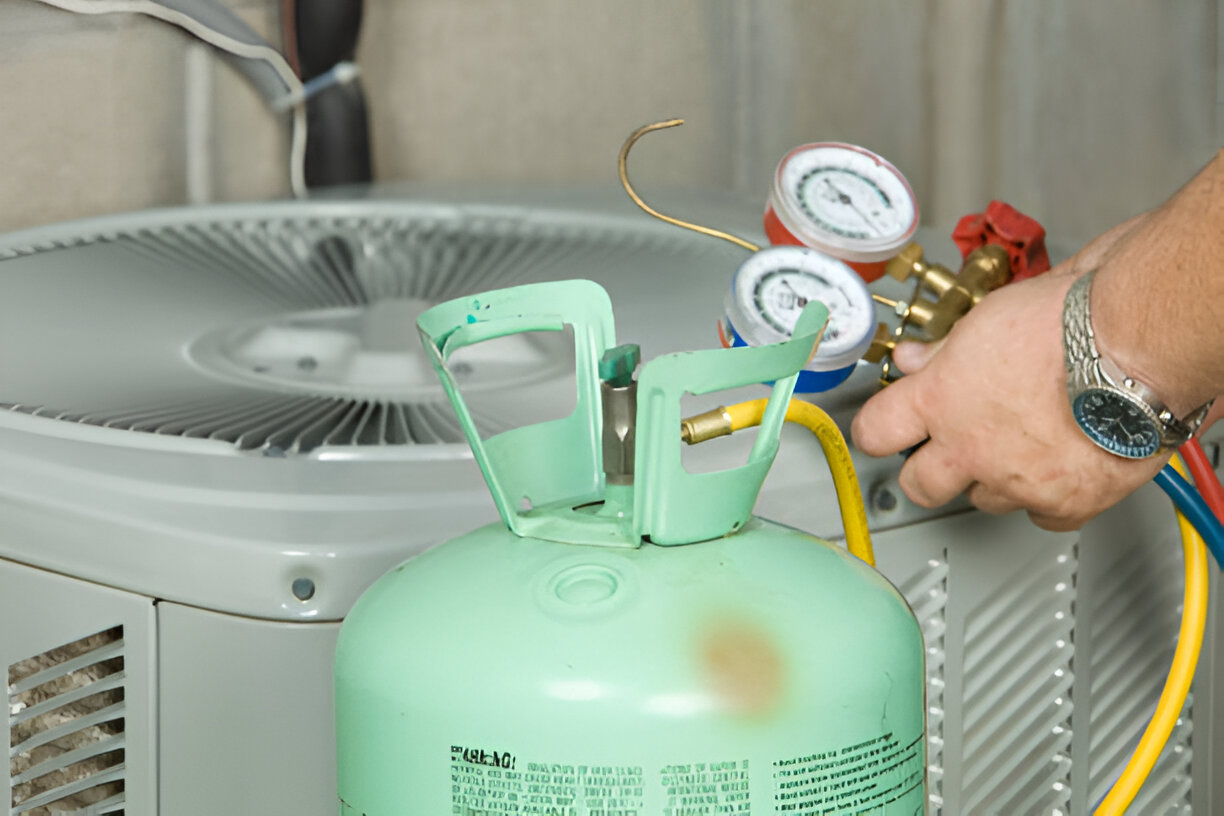
- Trucks are stocked with common emergency parts and diagnostic tools: multimeters, refrigerant gauges, leak detectors, capacitors, contactors, condensate pumps, and temporary heaters or pumps when applicable. Technicians plan a route to handle multiple local emergencies efficiently.
- On-site safety and diagnostics
- On arrival, the first step is a safety check: verify power and gas shutoffs, test for carbon monoxide if a combustion appliance is involved, and inspect for electrical hazards or leaking fluids. Quick diagnostics include reading system fault codes, measuring voltages and refrigerant pressures, inspecting motors and fans, and checking condensate paths.
- Immediate, safe temporary fixes
- When a full repair or replacement is not feasible immediately, technicians implement temporary, code-compliant fixes to restore safe operation or prevent further damage. Examples include replacing a failed capacitor to get a compressor running temporarily, clearing condensate clogs and installing a temporary condensate pump, securing electrical connections, resetting and testing safety controls, or activating backup electric heat. All temporary repairs are documented with clear recommendations for the permanent fix.
- Transparent next steps and documentation
- After stabilizing the system, the technician explains the cause, the temporary measures taken, and the recommended permanent repairs or replacement. A clear diagnosis and parts list ensures you understand priorities and risks of waiting to fix the problem fully.
When to call emergency HVAC service in Orondo
Call emergency service if you experience any of the following:
- No heat during freezing nights or no cooling during heat waves with vulnerable occupants.
- Persistent burning or electrical smell, or activation of a carbon monoxide alarm.
- Water actively leaking onto floors or through ceilings from an HVAC component.
- Loud grinding, banging, or metal-on-metal noises indicating imminent mechanical failure.
- Repeated tripping of breakers when the system attempts to start.
- Visible refrigerant pooling or strong chemical odors suggesting a leak.
- If you are unsure, err on the side of calling for emergency help — technicians will triage the situation and advise whether immediate response is required.
Why timely emergency response matters for Orondo homes
Orondo residents face climate extremes that make HVAC reliability critical. Extended power outages, seasonal dust, and wildfire smoke can stress HVAC systems and indoor air quality. In cold weather, lack of heat risks frozen pipes and structural damage. In summer, prolonged high indoor temperatures can be dangerous for children, elderly adults, and those with medical conditions. Early intervention limits component damage, reduces the likelihood of costly replacements, and helps maintain indoor air quality during wildfire or dust events.
Diagnostic and repair capabilities you can expect
- Full-system diagnostics across furnaces, heat pumps, central ACs, and ductless mini-splits.
- Electrical troubleshooting: breakers, contactors, capacitors, wiring and control boards.
- Refrigerant pressure testing, leak detection, and temporary isolation when required.
- Condensate clearing, pump replacement, and water-damage prevention measures.
- Temporary heating solutions or safe bypasses to keep occupants comfortable until permanent repairs can be scheduled.
- Clear documentation of findings, safety risks, and recommended permanent solutions.
Preventive steps to reduce emergency calls
- Schedule seasonal inspections and tune-ups before high-demand seasons (fall for heating, spring for cooling).
- Replace filters regularly and keep returns and registers clear to prevent airflow-related failures.
- Keep outdoor units free of debris, vines, and snow accumulation.
- Install and maintain carbon monoxide and smoke detectors.
- Know your system’s age and service history; older equipment may need preemptive replacement planning.
- Keep a record of manufacturer, model, and serial numbers so technicians can bring correct parts promptly.
FAQs
Q: How quickly can emergency HVAC technicians typically arrive in Orondo, WA?
A: Response times vary with call volume and road conditions, but emergency services use priority routing and on-call teams to reduce travel time; rural travel is accounted for in dispatch planning.
Q: Will an emergency technician always perform a permanent repair on the first visit?
A: Not always. Technicians prioritize safety and stabilization; when possible they complete permanent repairs, but temporary, code-compliant fixes may be used to restore safe operation until parts or replacements can be scheduled.
Q: Are temporary repairs safe for long-term use?
A: Temporary repairs are intended to be safe and compliant but are not designed as long-term solutions. Technicians provide a clear timeline and recommendation for the permanent repair or replacement needed.
Q: What should I do before the technician arrives?
A: Turn off power to the HVAC system if you suspect electrical issues or a gas smell, evacuate if CO alarms are sounding, and make note of system symptoms and any recent changes to help with diagnosis.
Q: Can HVAC emergencies be prevented in Orondo’s climate?
A: Many emergencies are preventable with regular maintenance, seasonal inspections, proper filter changes, and keeping outdoor equipment protected from dust, debris, and snow.
Q: Is emergency service available for mini-split and heat pump systems?
A: Yes. Emergency technicians are equipped to diagnose and stabilize mini-splits, heat pumps, furnaces, and central air systems, with tools and parts for common urgent failures.