Emergency HVAC Service in Palisades, WA

Scroll down to discover more
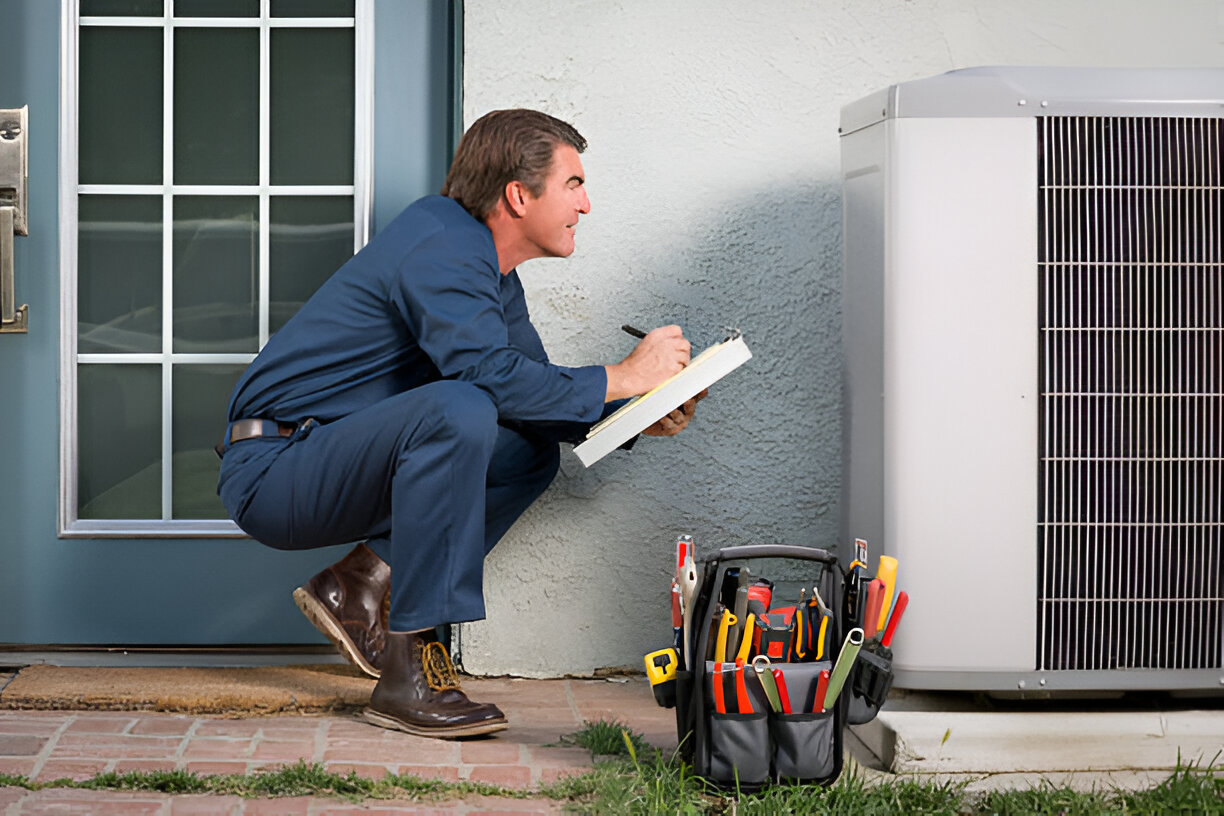
When your heating or cooling system fails unexpectedly, the discomfort and risk can escalate quickly. Emergency HVAC service in Palisades, WA, provides 24/7 response for sudden breakdowns so your family stays safe and your property avoids damage. In Palisades homes, where hot, dry summers and cold inland winters can push systems to their limits, fast, experienced intervention protects indoor comfort, prevents frozen pipes, and reduces the chance of dangerous carbon monoxide or electrical hazards
Common emergency scenarios we handle in Palisades, WA
- sudden furnace failure on a cold night, leaving rooms unheated
- air conditioner or heat pump failure during peak summer heat
- complete loss of power to the HVAC system or frequent tripping breakers
- refrigerant leaks causing loss of cooling and potential system damage
- compressor or motor failures that prevent system operation
- clogged condensate drain causing water overflow and ceiling or floor damage
- gas smell or suspected gas leak near the furnace or gas lines
- carbon monoxide alarm tied to heating equipment malfunctions
- outdoor unit damage from storms, debris, or wildlife
These scenarios are especially relevant in Palisades because temperature swings and seasonal demands increase wear on equipment. Smoke from regional wildfires and dust during dry months can also accelerate filter and coil clogging, turning routine problems into urgent failures.
Expected response times for Palisades residents
- typical initial dispatch: within 60 minutes for most calls during normal conditions
- priority cases (no heat in winter, carbon monoxide concerns, active leaks): immediate dispatch and on-route notification
- rural access or severe weather may extend arrival to 2 to 4 hours depending on road conditions and safety
- Technicians performing emergency HVAC service in Palisades carry common replacement parts and diagnostic tools to resolve many problems on the first visit. Response times depend on call volume, traffic, and local conditions, but the focus is rapid stabilization of the situation.
On-site diagnostic process
- safe arrival and identification: technicians confirm the address and visible hazards before entering the property
- immediate safety checks: carbon monoxide measurement, gas leak sniffing, and electrical inspection if smells, smoke, or tripped breakers are present
- system overview: verify thermostat settings, filter condition, breaker status, and visible damage to indoor and outdoor units
- targeted diagnostics: use of multimeters, refrigerant gauges, combustion analyzers, and airflow meters to isolate the fault
- assessment and options: technician explains the issue, immediate temporary measures, and recommended permanent repairs or replacements
Diagnostics are explained in plain language so you understand the cause and the tradeoffs of short-term fixes versus long-term solutions.
Temporary versus permanent repair options
- Temporary fixes (stabilize and prevent further damage)
- reset controls and breakers to restore safe operation when appropriate
- bypass or replace a failed capacitor to start a condenser motor for short-term cooling or heating
- install a condensate hose or pump to stop water overflow until a proper repair can be scheduled
- implement safe shutdown if a hazardous condition is detected (gas leak, major electrical fault) and secure the site
- provide temporary heating or cooling recommendations for occupant safety while permanent work is arranged
- Permanent repairs (restore reliable, code-compliant operation)
- replace failed compressors, motors, or run capacitors with manufacturer-approved parts
- repair or replace leaking refrigerant lines and recharge to correct pressures and efficiency
- replace control boards, thermostats, or igniters as required for reliable system function
- repair or replace damaged heat exchangers, burners, or flue components with safety testing and certifications
- recommend full system replacement when repair would be unreliable or less cost effective than a new, efficient system
Technicians will document what was performed, explain warranty coverage for parts installed during the visit, and outline any follow-up work needed.
Safety procedures followed on every emergency call
- initial hazard assessment before entry to protect occupants and technicians
- carbon monoxide and gas leak detection when heating equipment is involved
- electrical isolation of equipment showing signs of short or overheating
- use of personal protective equipment and safe handling of refrigerants and fuels
- adherence to local building and safety codes, including permitting guidance if major work or replacements are required
- clear verbal explanation and written recommendations so homeowners know next steps and risks
Safety is prioritized over quick fixes. If a situation requires shutting down equipment to prevent hazard, technicians will explain temporary measures to maintain occupant comfort and health.
What you can do immediately while waiting for help
- if you smell gas: evacuate occupants, avoid using electrical switches or phones inside, and alert the gas utility from a safe location
- if you suspect carbon monoxide: leave the building immediately and seek fresh air; do not re-enter until cleared by a professional
- for no heating or cooling but no immediate hazard: check circuit breakers, replace dirty filters, and confirm thermostat settings; avoid DIY repairs on gas or electrical components
- place cold items in insulated containers or move them to a cooler area during AC outages in summer; during heating outages, insulate pipes and close off unused rooms to retain heat
These steps help reduce risk and damage while professionals handle the technical diagnosis and repair.
Why timely emergency HVAC service matters in Palisades
Fast intervention prevents secondary damage like burst pipes, mold from water leaks, and health risks from poor ventilation or combustion issues. Prompt repairs also reduce the cost of emergency replacement, restore energy efficiency, and extend the life of your system. In regions with seasonal extremes and wildfire smoke, emergency service protects indoor air quality and household safety.
Maintenance tips to reduce emergency calls
- schedule seasonal tune-ups for heating before winter and cooling before summer
- replace filters every 1 to 3 months depending on use and smoke/dust exposure
- keep outdoor units clear of debris, vegetation, and snow buildup
- install and test carbon monoxide detectors on every level with fuel-burning appliances
- consider a maintenance plan to prioritize emergency scheduling and reduce long-term costs
FAQs
Q: How quickly will a technician arrive in Palisades?
A: Typical dispatch aims for arrival within 60 minutes under normal conditions. Priority emergencies receive immediate routing and on-route notifications. Rural access or severe weather can increase arrival time.
Q: Will the technician fix the problem on the first visit?
A: Many common failures are fixed on the first visit because technicians carry common parts and diagnostic tools. Complex issues or unavailable parts may require a follow-up appointment for permanent repair.
Q: Is it safe to keep running a system that smells like burning or shows smoke?
A: No. Turn the system off at the thermostat and the breaker if you observe burning smells or smoke, evacuate if necessary, and wait for a professional to perform a safe inspection.
Q: What temporary measures can be made to protect my home?
A: Technicians can provide temporary fixes like condensate pump installation, component bypasses, or safe shutdowns to prevent water damage, further mechanical damage, or safety risks until permanent repairs are completed.
Q: How can I reduce the chance of needing emergency HVAC service in the future?
A: Regular seasonal maintenance, timely filter changes, protecting outdoor equipment, and installing CO detectors and surge protection help reduce emergency failures and extend system life.