
Emergency HVAC Service in Quincy, WA

Scroll down to discover more
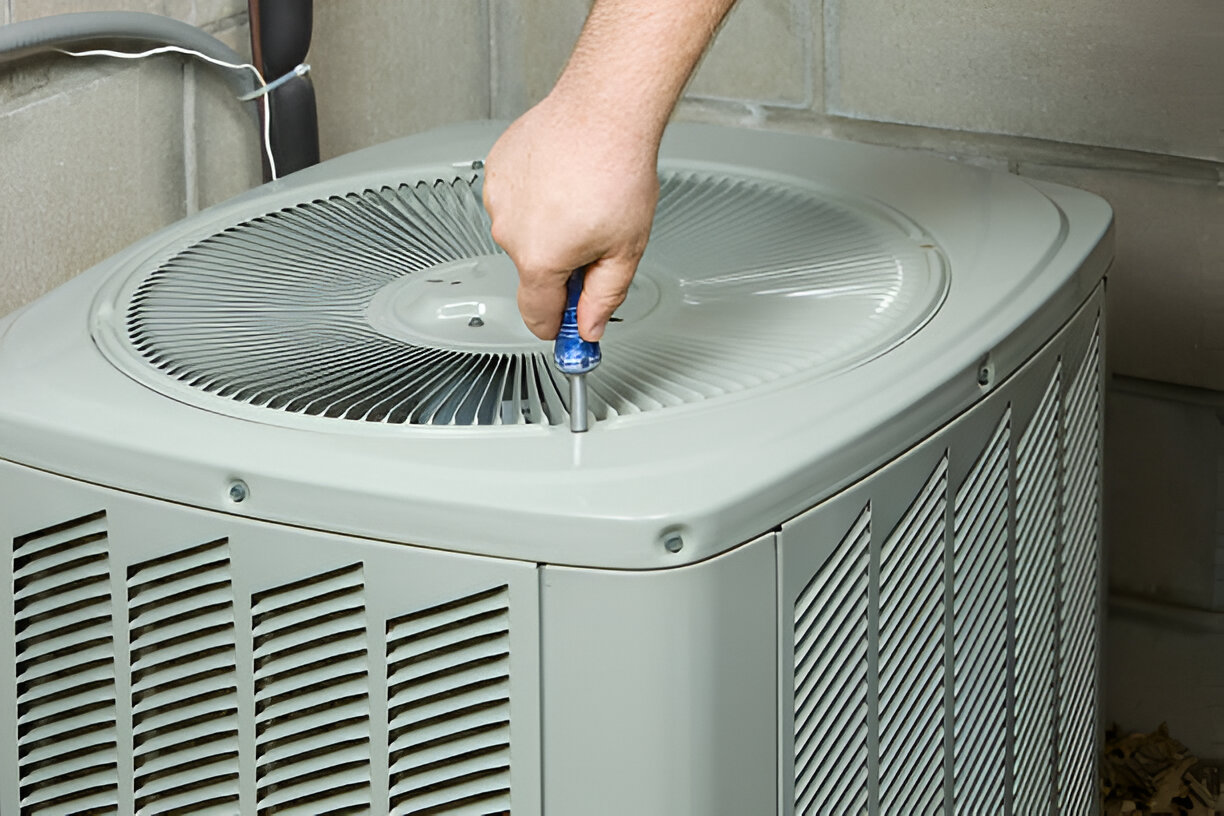
When your heating or cooling system fails at the worst possible moment, you need a reliable, fast response that restores comfort and protects your home. Emergency HVAC service in Quincy, WA focuses on 24/7 response to critical situations like complete system failures, loss of heat during cold snaps, or no cooling during extreme summer heat. Quincy homes face wide temperature swings, dusty agricultural conditions, and high summer temperatures that can push systems to the limit. This page explains common urgent scenarios in Quincy, expected response times, what technicians diagnose and do on site, expedited repair options, safety protocols, and exactly what information to have ready when requesting immediate assistance
Why emergency HVAC matters in Quincy, WA
- Summers in Quincy often reach high temperatures that create dangerous indoor environments for infants, elderly residents, pets, and workers.
- Winters can bring cold overnight lows and late season freezes where a failed furnace increases risk of frozen pipes and property damage.
- Local dust, pollen, and agricultural debris can accelerate coil and filter clogging, increasing the chance of sudden failures.
- Timely emergency service prevents secondary damage, restores safe indoor temperatures, and reduces the chance of costly component failures.
Common urgent HVAC scenarios in Quincy, WA
- Complete system failure: No power to the unit or total shutdown with no heating or cooling output.
- No cooling during heat waves: Compressor failures, refrigerant loss, or electrical faults causing loss of AC.
- No heat in cold weather: Furnace ignition failure, cracked heat exchanger risks, or blocked vents.
- Sudden airflow loss: Blower motor failure, collapsed duct, or frozen evaporator coils.
- Unusual odors or suspected gas leak: Any smell of gas or persistent burning odor requires immediate attention.
- Water leaks and condensate backups: Overflowing drain pans that can damage ceilings, walls, and insulation.
- Electrical hazards: Tripped breakers, burning smells, or smoke coming from equipment.
Typical response times in Quincy and surrounding areas
- City limits and central Quincy neighborhoods: Emergency technicians typically mobilize within 30 to 90 minutes, depending on time of day and call volume.
- Outlying and rural properties near Quincy: Expect slightly longer arrival windows, often 60 to 180 minutes, influenced by distance, road conditions, and weather.
- During regional heat waves or cold snaps: Response windows may extend because of demand; priority triage directs teams to the most urgent medical or safety-related calls first.
- These estimates reflect typical local conditions. Technicians use fleet staging and mobile inventory to shorten wait times when possible.
On-site diagnostics and temporary fixes
When the technician arrives they follow a rapid, systematic process to stabilize conditions and diagnose the root cause:
- Initial safety check: Verify no active gas leaks, electrical hazards, or carbon monoxide risk before entering the home.
- System triage: Inspect thermostat settings, breakers, filters, vents, outdoor unit, and visible wiring to identify quick fixes.
- Temporary measures to restore comfort:
- Resetting and testing electrical breakers and safety switches.
- Clearing or replacing severely clogged filters to restore airflow.
- Bypassing noncritical controls or enabling backup modes so the system will operate safely until full repair.
- Running portable or built-in auxiliary heat sources per safety guidelines to maintain livable temperatures.
- Diagnostic testing: Pressure checks, ignition tests, and electrical measurements to pinpoint failed components.
- Secure the site: Isolate and tag unsafe equipment and leave clear instructions for occupants.
Temporary fixes are applied only when safe and appropriate. Technicians prioritize measures that limit further damage and maintain occupant safety until permanent repairs are completed.
Expedited repair process
For true emergencies, repair workflows accelerate to minimize downtime:
- Priority parts ordering and regional parts sourcing to reduce wait for critical components.
- Use of stocked mobile vans that carry common emergency repair parts and tools for same-day fixes.
- Coordinated follow-up scheduling for complete repairs, replacements, or system testing after temporary measures.
- Documentation and transparent estimates explaining immediate fixes versus recommended permanent repairs and timelines.
- Expedited service focuses on stabilizing your system fast and returning for a full repair when necessary.
Safety protocols and what to do first
Safety is the top priority when HVAC problems are potentially hazardous.
- If you smell natural gas: Evacuate everyone from the building, avoid creating sparks, and contact your gas utility or emergency services immediately.
- If you suspect carbon monoxide: Get everybody outside to fresh air and seek emergency help; do not re-enter until cleared.
- If you see smoke or flames: Evacuate and call emergency services; attempt to shut off power only if it can be done safely.
- For electrical issues or burning smells from equipment: Turn off the HVAC breaker at the main panel if it is safe to access, and avoid using the system.
- For water leaks affecting ceilings or electrical areas: Turn off the HVAC system at the thermostat and breaker to prevent electrical hazards and water damage.
- Technicians arriving for an emergency will enforce additional job-site safety measures, use personal protective equipment, and follow local codes for gas and electrical work.
How to request immediate assistance and what to have ready
When requesting emergency HVAC service in Quincy, preparing the right information speeds dispatch and helps technicians arrive with the appropriate parts and tools:
- Your address with cross streets and easiest access points for service vehicles.
- A brief description of the problem (no cool air, no heat, smell of gas, water leak, smoke).
- System type (central air, heat pump, furnace, ductless mini-split) and brand/model if available.
- Any recent work or symptoms (strange noises, warning lights, recent power outage).
- Household vulnerabilities (infants, medically sensitive individuals, pets) to help prioritize response.
- Expect the dispatcher to confirm your location, give an estimated arrival window, and advise on immediate safety steps to take while waiting.
Preventing future emergencies
Routine maintenance reduces emergency breakdowns in Quincy conditions:
- Regular filter changes and seasonal tune-ups to combat dust and debris.
- Annual safety inspections for gas furnaces and combustion appliances.
- Keeping outdoor units clear of vegetation and agricultural dust.
- Prompt repairs of minor issues before they escalate during peak heat or cold periods.
- Consistent maintenance avoids most emergency calls and extends system life.
FAQs
Q: How fast can emergency HVAC technicians arrive in Quincy, WA?
A: Response times vary; central Quincy calls often see technicians dispatched within 30 to 90 minutes while rural locations may be 60 to 180 minutes, with longer windows during widespread extreme weather events.
Q: What should I do right now if I smell gas from my furnace?
A: Evacuate the building immediately, avoid operating electrical switches or appliances, and contact your gas utility or emergency services. Do not re-enter until the area is declared safe.
Q: Can a technician provide temporary cooling or heating until a permanent repair is done?
A: Yes. Technicians can apply temporary measures like resetting controls, replacing clogged filters, enabling backup heat, or installing temporary components to maintain safe temperatures until full repairs are completed.
Q: Will emergency repairs always require parts that need ordering?
A: Not always. Many common failures are diagnosable and fixable on site with stocked parts. If a special-order component is required, technicians can stabilize the system and schedule an expedited follow-up.