Emergency HVAC Service in Sunnyslope, WA

Scroll down to discover more
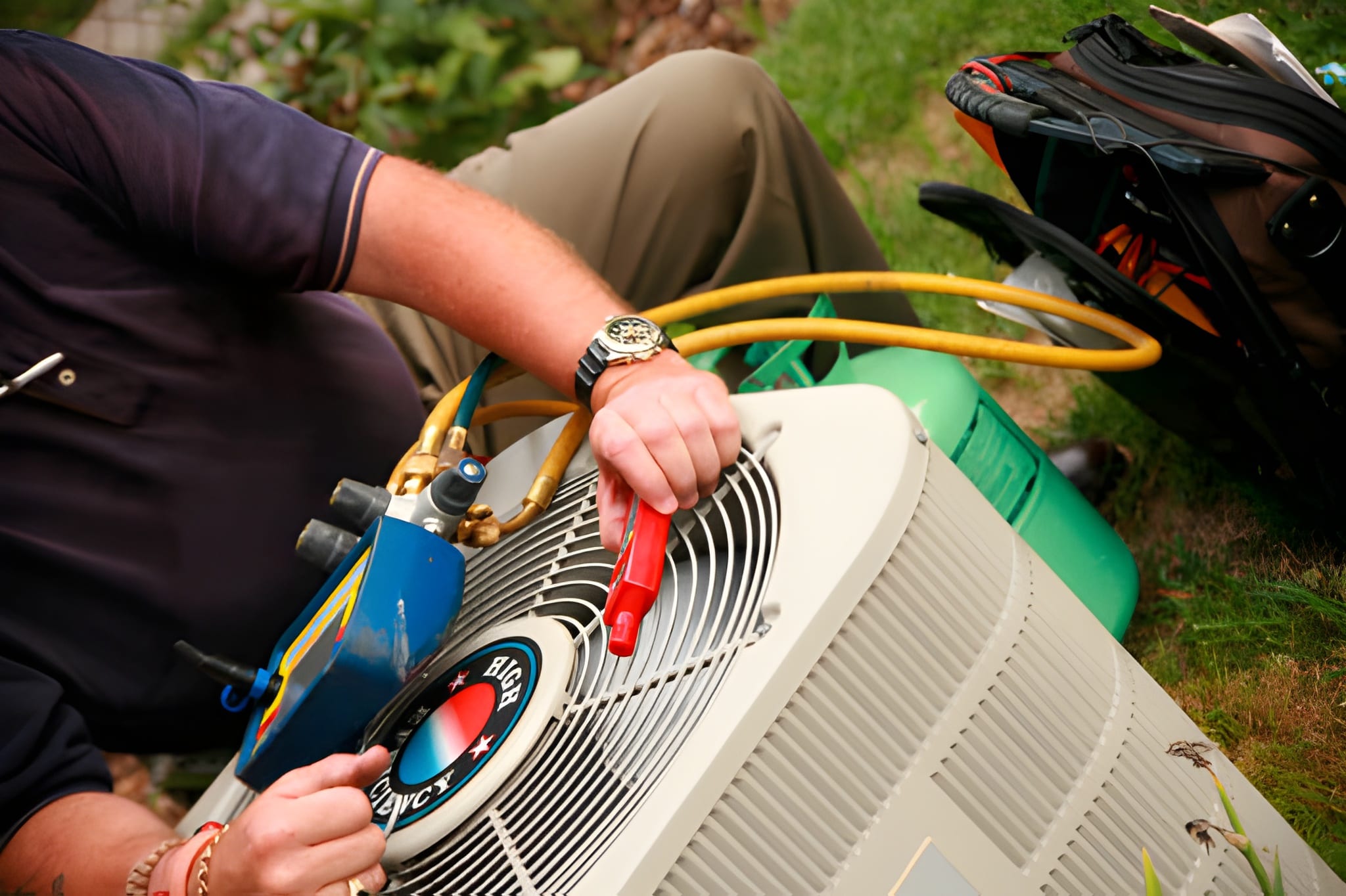
When your heating or cooling system fails at an inconvenient time, you need a reliable emergency HVAC service that responds quickly and knows the unique needs of Sunnyslope, WA homes. Summers in the Wenatchee Valley can produce intense heat and prolonged high loads on air conditioners. Winters can dip low enough that furnace failure becomes a health and safety issue. Add regional concerns like wildfire smoke and rural access challenges and you have situations where prompt, expert emergency response matters for comfort, safety, and property protection
Common emergency HVAC scenarios in Sunnyslope, WA
- Complete system failure: no heat or no cooling when the system will not start.
- Loss of heating during cold nights or loss of cooling during heatwaves.
- Electrical problems: tripped breakers, shorted components, or dead condenser/furnace motors.
- Refrigerant leaks or compressor failure producing no cooling.
- Frozen coils, blocked condensate drains, or overflowing drain pans causing water damage.
- Furnace ignition failures, pilot outages, or frequent cycling.
- Carbon monoxide concerns, natural gas smells, or burning odors.
- Unusual noises that suggest mechanical failure (rattling, banging, grinding).
- Indoor air quality emergencies from wildfire smoke infiltration or severe pollutant events.
- Storm or impact damage to outdoor units or ductwork in exposed Sunnyslope properties.
Rapid dispatch and estimated arrival times
Emergency HVAC response in Sunnyslope emphasizes rapid dispatch and clear arrival estimates. Dispatchers prioritize calls by severity and risk: immediate safety threats (gas smell, carbon monoxide alarm, or active smoke) receive top priority. Under typical conditions many local emergency calls are reached within 60 to 90 minutes. Rural roads, weather, and concurrent high-volume events (heatwaves or storms) can affect arrival windows. Expect the dispatcher to provide an estimated arrival time, any preparatory instructions, and whether a technician will call ahead.
Technicians arrive prepared for urgent situations with common replacement parts, diagnostic meters, portable CO monitors, and basic repair materials so they can stabilize systems on the first visit whenever feasible.
On-site diagnostics: what to expect
Technicians follow a consistent on-site process to diagnose emergencies efficiently and safely:
- Safety check first: verify no active gas leaks, check for carbon monoxide, and confirm electrical safety before interacting with equipment.
- Visual inspection: assess outdoor unit, indoor furnace/air handler, duct access, condensate lines, and electrical connections.
- Control and thermostat testing: confirm correct settings and verify control signals.
- Operational testing: start up the system to observe behavior, listen for abnormal noises, and record operating pressures and temperatures.
- Targeted measurements: refrigerant pressure checks, combustion analysis for furnaces, airflow and static pressure checks, and condensate drainage inspection.
- Diagnosis report: technician explains findings in plain terms, shows documented evidence when possible, and outlines repair options.
Temporary fixes vs permanent repairs
In emergencies, a temporary repair can restore safe operation immediately and limit damage while a permanent solution is scheduled:
- Temporary fixes:
- Bypassing a failed component to restore function temporarily.
- Clearing a blocked condensate drain and installing a temporary trap or hose.
- Restarting and stabilizing controls after an electrical fault.
- Installing temporary filters or sealing obvious duct leaks to improve airflow and indoor air quality.
- Permanent repairs:
- Replacing failed compressors, motors, or heat exchangers.
- Repairing refrigerant leaks and conducting full recharge with proper evacuation.
- Replacing control boards, thermostats, or damaged duct sections.
- Upgrading safety devices or installing new CO detection tied to system shutdown.
Technicians will recommend when a temporary repair is safe and appropriate versus when a permanent repair is required immediately. When a temporary solution is used, expect clear timelines and a written plan for completing permanent work.
Prioritization and safety protocols
Emergency responders use a triage approach:
- Highest priority: active gas smell, carbon monoxide alarms, visible smoke, flooding from HVAC components, or failure that endangers vulnerable occupants.
- High priority: loss of heat during freezing conditions, or loss of cooling during extreme heat for medically vulnerable residents.
- Standard priority: single-room issues, intermittent faults, or loss of nonessential comfort without immediate risk.
Safety protocols include shutting off gas mains if a leak is suspected, isolating electrical circuits, documenting lockout/tagout procedures, ventilating smoke or dangerous fumes, and double-checking combustion safety before leaving a system in service. Technicians also follow PPE and infection control practices when entering occupied homes.
How to request urgent service (what to have ready)
When requesting emergency HVAC help in Sunnyslope, having the following information speeds triage and response:
- Service address and best access instructions for rural properties.
- System type (central AC, heat pump, furnace, mini-split) and approximate system age.
- Symptoms observed: no power, no heat, no cooling, noises, odors, water leaks, CO alarm activation.
- Any visible warning lights or error codes on the thermostat or equipment.
- Recent service history or recent power outage events.
- Presence of medically vulnerable occupants, infants, or pets.
- Photos or short video of the equipment or error displays if available.
Expect dispatch to triage your call, advise immediate safety steps (for example, evacuate if CO is suspected, shut off gas if you smell it, or turn off the system if you detect burning smells), and give an arrival estimate and instructions for securing pets or areas technicians will need to access.
Preventing future emergencies and maintenance advice
Regular maintenance is the most effective way to reduce emergency HVAC calls:
- Schedule seasonal tune-ups: pre-summer AC checks and pre-winter heating inspections.
- Replace filters monthly or per manufacturer guidance, especially during wildfire season and orchard dust events common to the region.
- Keep outdoor units clear of debris and maintain a 2-foot clearance for airflow.
- Install and maintain hardwired carbon monoxide detectors and smoke alarms.
- Consider surge protection and evaluating backup power options for rural Sunnyslope homes prone to outages.
- Address small issues early: unusual noises, rising energy bills, or inconsistent conditioning often precede larger failures.
Regular care improves system reliability, lowers repair costs over time, and reduces the risk of emergency breakdowns during the hottest and coldest days in Sunnyslope.
FAQs
Q: How fast can a technician usually get to Sunnyslope for an emergency?
A: Arrival times vary with traffic, weather, and call volume. Many local emergencies are reached within 60 to 90 minutes under normal conditions; dispatch will provide an estimated arrival time when you request service.
Q: Will an emergency visit include a permanent repair?
A: Technicians aim to make the system safe and operational during the first visit. If parts or extensive work are required a temporary stabilization may be completed and a plan for permanent repair scheduled.
Q: What should I do if I smell gas or a carbon monoxide alarm sounds?
A: Evacuate occupants and pets immediately, avoid using electrical switches, ventilate if safe, and notify appropriate emergency responders. Do not restart the HVAC system until a qualified technician has verified it is safe.
Q: Can wildfire smoke make my HVAC an emergency?
A: Yes. Heavy smoke reduces indoor air quality and can overload filters and systems. If household members have respiratory issues, treat it as an urgent situation and prioritize filtration and ventilation checks.
Q: Are emergency technicians certified and trained for safety situations?
A: Emergency HVAC responders typically carry licenses, safety training, and specialized diagnostic tools to handle combustion analysis, refrigerant handling, electrical diagnosis, and indoor air quality emergencies.