
Emergency HVAC Service in Waterville, WA

Scroll down to discover more
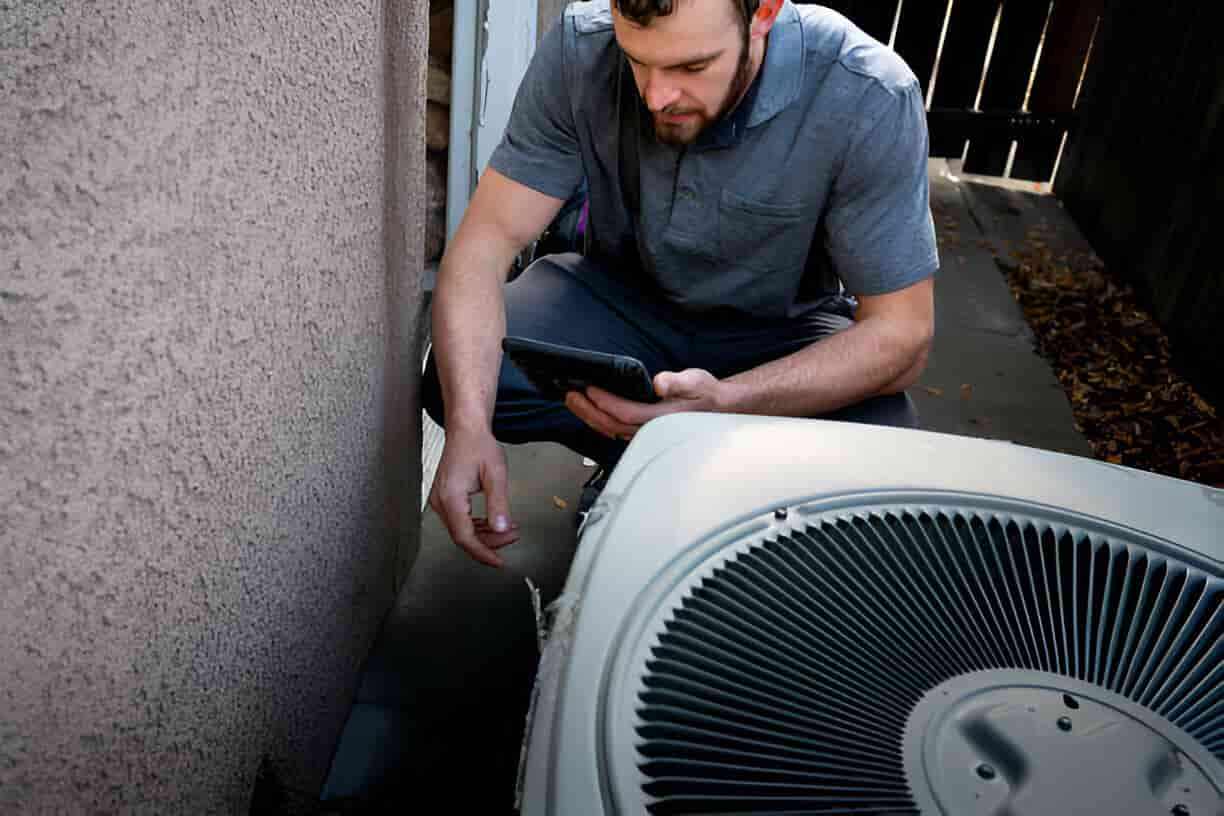
When your heating or cooling fails at the worst possible moment, you need a fast, safe, and reliable emergency HVAC response. In Waterville, WA, where summer highs and winter cold snaps can create real comfort and safety risks, emergency HVAC service minimizes downtime, protects your home from temperature extremes, and reduces the risk of hazardous conditions like carbon monoxide exposure or frozen pipes
Why emergency HVAC matters in Waterville, WA
Waterville sits in a high desert climate with hot, dry summers and chilly winters. Homes here often face:
- Heat spikes in late summer that stress air conditioners
- Cold nights and occasional deep freezes that strain furnaces and heat pumps
- Dust and agricultural debris that clog filters and coils faster than in urban areas
- Intermittent power outages tied to storms or grid issues that can damage HVAC controls
These factors make prompt emergency attention essential to prevent costly damage, health risks, and extended discomfort.
Common emergency HVAC scenarios in Waterville
- Complete cooling failure during a heat wave (no airflow or warm air from vents)
- Furnace or heat pump stopping during freezing nights (no heat or unsafe combustion)
- Gas smell or suspected gas leak tied to furnace or line (potentially life threatening)
- Electrical arcing, burning smells, or tripped breakers linked to HVAC equipment
- Frozen or leaking refrigerant lines causing sudden loss of cooling
- Condensate drain backup causing indoor water leaks and potential mold damage
- Carbon monoxide alarm activation or symptoms of CO exposure (headache, nausea, dizziness)
- Compressor or fan motor failure that leaves a system inoperable
Rapid-response and dispatch process
- Triage: Emergency requests are triaged immediately to determine risk level (life safety, property risk, or urgent comfort). Reported gas smells, CO alarms, or medical symptoms receive top priority.
- Technician assignment: A certified technician with an emergency kit is assigned. Trucks are stocked for common temporary repairs: condensate pumps, fan motors, capacitors, control relays, thermostat replacements, refrigerant leak isolation tools, and basic combustion test equipment.
- Estimated arrival: Typical arrival times for Waterville residents range from 45 to 90 minutes for high-priority calls when conditions allow. Remote weather, road conditions, or simultaneous high call volume can extend times. Lower-priority urgent requests may be scheduled within a few hours.
On-site diagnostic steps (what technicians do first)
Technicians follow a structured diagnostic sequence to identify root causes quickly and safely:
- Safety scan: Check for gas odors, CO levels, visible electrical hazards, and water intrusion before interacting with equipment.
- Power and controls check: Verify breakers, disconnects, fuses, and thermostat signals to rule out control issues.
- Airflow and filters: Inspect blower operation, duct obstructions, and filter condition; restricted airflow is a common emergency trigger in dusty regions.
- Refrigeration and electrical testing: Measure refrigerant pressures, test capacitors and motors, and look for visible leaks or burned wiring.
- Combustion analysis (for gas systems): Test for safe combustion and CO levels if a furnace is involved.
- Condensate and drainage: Inspect drain lines, pans, and condensate pumps to stop leaks and prevent indoor water damage.
Temporary-safe-fix procedures you can expect
Emergency repairs often focus on stabilizing the system to restore safe operation while a long-term repair is planned:
- Resetting and securing electrical connections and replacing failed fuses or breakers with proper-rated components
- Bypassing failed controls temporarily or installing a replacement thermostat to restore basic operation
- Clearing or replacing clogged filters and clearing condensate drains to stop overflow
- Installing temporary condensate pumps or clearing drain blockages to prevent water damage
- Isolating refrigerant leaks and restoring partial cooling if safe (complete refrigerant recharge or replacement may be scheduled)
- Shutting down unsafe gas equipment and sealing gas lines for immediate safety until a certified gas technician completes permanent repairs
- Providing temporary heating solutions (e.g., safe electric heaters) when permanent heat cannot be restored immediately, with attention to ventilation and electrical load limits
Technicians will explain which measures are temporary and why a follow-up repair or component replacement is recommended.
Safety protocols followed on every emergency call
- Immediate life-safety assessment for gas leaks, CO, electrical hazards, and flood risk
- Use of combustion analyzers and CO monitors when working on fuel-burning equipment
- Lockout and tagout of unsafe equipment to prevent accidental restart
- Electrical testing with insulated tools and certified meters
- Proper ventilation when repairing refrigerant or combustion systems
- Personal protective equipment (gloves, eye protection, respirators as required)
- Documentation of findings, temporary measures taken, and recommended next steps for permanent repairs
What to prepare before help arrives
- If you smell gas or suspect a gas leak: evacuate everyone from the home and call the gas provider (do not operate electrical switches or devices).
- If CO alarm is active: evacuate and seek fresh air immediately.
- Note system symptoms (no airflow, unusual noises, burning smell, water leak) and the time they started.
- If safe, locate the thermostat, breaker panel, and equipment access to provide clear directions to the technician on arrival.
- Turn off the system only if instructed by a qualified professional to prevent further damage.
Follow-up and permanent repairs
Emergency service prioritizes safety and immediate restoration. Permanent repairs—such as motor replacements, compressor swaps, refrigerant recharges, or full control board replacements—are scheduled or completed once parts and time permit. Technicians will provide a clear scope of recommended work, expected costs, and a timeline for full remediation (note: pricing details are not provided here).
Why timely emergency HVAC service pays off
Addressing HVAC emergencies promptly reduces the chance of:
- Equipment damage that leads to full system replacement
- Property harm from water leaks or frozen pipes
- Health risks from CO exposure or extreme indoor temperatures
- Extended discomfort that can affect vulnerable household members
Prompt emergency response in Waterville protects both safety and property and restores reliable comfort quickly.
FAQs
Q: What counts as an HVAC emergency?
A: An HVAC emergency includes situations with immediate safety risks (gas smell, carbon monoxide alarm, flooding), total loss of heating during freezing weather, or cooling failure during extreme heat that threatens health. Other urgent failures that cause property damage or present electrical hazards are also treated as emergencies.
Q: How fast will a technician arrive in Waterville?
A: Typical arrival times for high-priority emergency calls in Waterville range from about 45 to 90 minutes depending on traffic, weather, and call volume. Remote conditions or multiple simultaneous emergencies can extend this window.
Q: Can you make a temporary fix the same day?
A: In many cases, technicians can perform temporary-safe fixes the same day to restore basic operation and safety. Permanent parts replacements may require scheduling or ordering parts.
Q: Is it safe to run a furnace if I smell gas?
A: No. If you smell gas, evacuate the home, avoid using electrical switches, and contact the gas utility. A qualified technician should assess and repair the gas appliance before it is used again.
Q: What should I do if my air conditioner stops during a heat wave?
A: Check breakers and the thermostat first, ensure vents are open, and replace a heavily soiled filter if present. If the system still fails, wait for a certified emergency technician to diagnose and stabilize the system to prevent compressor damage.
Q: Will an emergency technician test for carbon monoxide?
A: Yes. Technicians use CO monitors and combustion analyzers when fuel-burning equipment is involved to verify safe operation and identify any dangerous conditions.