Emergency HVAC Service in Wenatchee Heights, WA

Scroll down to discover more
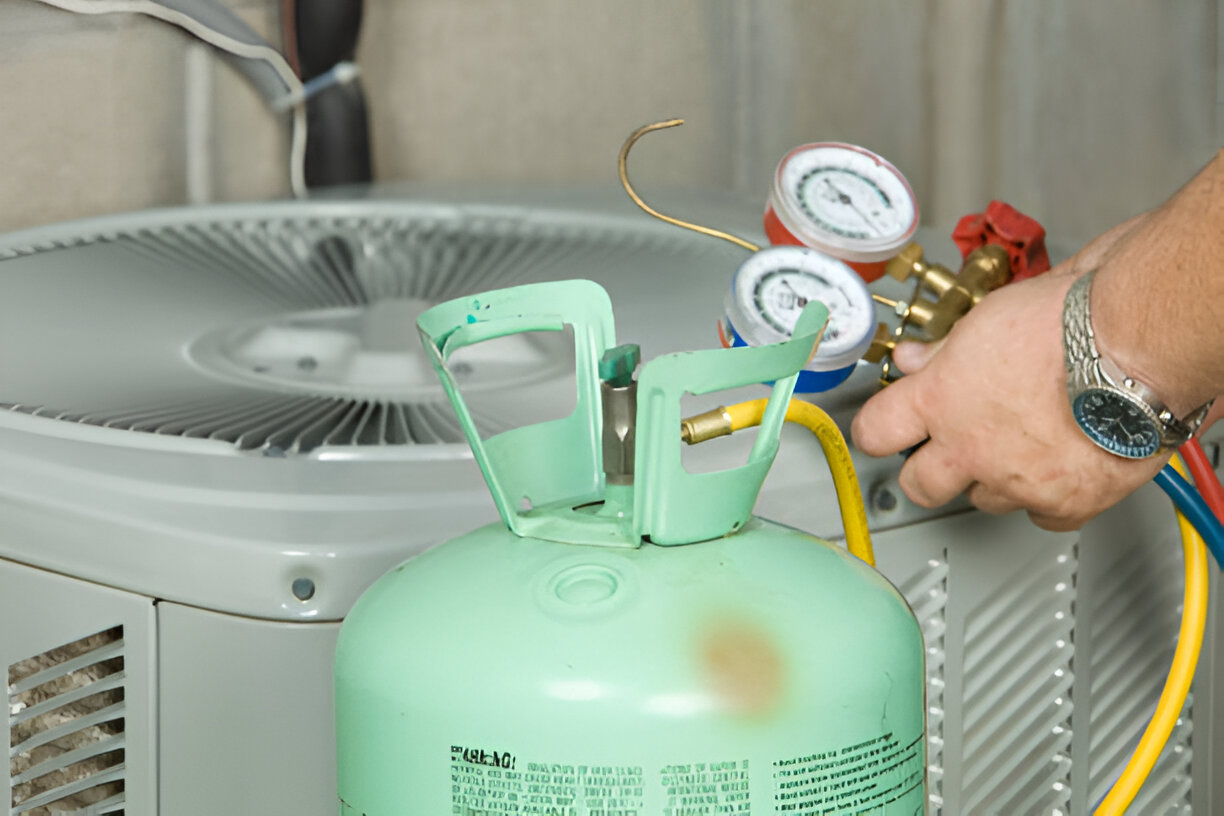
When your heating or cooling system fails at a critical moment, you need fast, reliable Emergency HVAC Service in Wenatchee Heights, WA. The Wenatchee Valley sees hot, dry summers and cold snaps in winter, so a broken furnace or air conditioner can create real health and safety risks for households
Common emergency HVAC scenarios in Wenatchee Heights
- Complete system failure: Air conditioner or furnace stops working entirely, leaving interiors uncomfortably hot in summer or dangerously cold in winter.
- Sudden loss of heat: Furnace ignition failure, pilot outage, or heat pump malfunction during cold weather.
- Sudden loss of cooling: Compressor failure, refrigerant leak, or electrical tripping during heat waves.
- Strange burning smells or smoke: Possible electrical failure, overheated components, or duct fires that require immediate shutdown and inspection.
- Gas odor or suspected gas leak near a gas furnace: A safety emergency with the potential for explosion or carbon monoxide exposure.
- Water leaks and condensate overflow: A blocked condensate drain or broken coil can cause flooding, water damage, or mold growth quickly.
- Noises indicating mechanical failure: Loud banging, grinding, or hissing that could indicate a failing motor, loose components, or refrigerant issues.
Rapid dispatch and priority scheduling
Emergency HVAC Service in Wenatchee Heights, WA is organized for immediate response. When an emergency call is received, technicians are triaged by safety risk and severity. Priority scheduling sends the closest available certified technician with the necessary tools and parts on board when possible. Dispatch will confirm basic safety details and system type so the technician can bring appropriate diagnostic equipment.
Key points about dispatch:
- 24/7 coverage for urgent safety issues and total system failures
- Technicians carry common replacement parts and temporary repair supplies
- Dispatch prioritizes safety risks (gas leaks, smoke, electrical hazards) over non-life-threatening comfort issues
On-site diagnostics: what technicians do first
When a technician arrives they follow a clear diagnostic workflow to establish cause and immediate risk:
- Safety assessment: Check for gas, odor, smoke, or electrical hazards before approaching equipment.
- Visual inspection: Look for burned components, loose wiring, water leaks, or visible refrigerant oil.
- System checks: Test electrical supply, thermostat, ignition system, blower motors, and refrigerant pressures as appropriate.
- Code and safety verification: Confirm that vents, combustion air, and exhaust are functioning correctly for combustion appliances.
- Diagnostic explanation: Technician explains the problem, immediate safety concerns, and repair options in plain terms.
Temporary fixes vs permanent repairs
Emergency work often includes a short-term solution to restore safe operation and prevent further damage, followed by options for permanent repair.
Common temporary measures:
- Restarting or reprogramming controls and thermostats
- Replacing a failed fuse, capacitor, or relay to restore operation
- Installing a temporary bypass for condensate drains to stop water damage
- Securing loose parts and adding temporary seals for minor refrigerant leaks
Permanent repair options:
- Replacing failed compressors, motors, or ignition components
- Repairing or replacing leaking refrigerant lines and reclaiming refrigerant properly
- Replacing heat exchangers, control boards, or worn-out duct sections
- Full system replacement when repair is unsafe or uneconomical
Technicians will clearly separate what is temporary and what is required for long-term safe operation.
Safety protocols and homeowner responsibilities
Safety is the top priority for Emergency HVAC Service in Wenatchee Heights, WA. Technicians follow protocols to protect occupants and property; you can help by following these steps:
- If you smell gas: leave the home immediately, move to a safe location, and notify the gas utility. Do not operate electrical switches or phones near the suspected leak.
- If you see smoke or fire: evacuate and call emergency services first.
- For electrical sparks or burning smells: shut off power at the main breaker if it is safe to do so.
- For water leaks: turn off the HVAC system and, where safe, stop water at the source if accessible.
- If carbon monoxide alarm sounds: evacuate and call emergency responders.
Technicians will use personal protective equipment, monitor carbon monoxide levels where combustion appliances are involved, and follow local safety codes.
Estimated response times for Wenatchee Heights
Response times vary with time of day, weather, and call volume. Typical expectations for Wenatchee Heights, WA:
- High-priority safety calls (gas leak, smoke, carbon monoxide): immediate dispatch; technician arrival often within 30 to 90 minutes when local crews are available.
- Total system failure affecting health or safety (extreme heat or cold): prioritized; typical arrival within 1 to 3 hours.
- Non-life-threatening comfort failures during peak demand: scheduled as priority but may require longer waits during heat waves, cold snaps, or severe weather.
Local factors that affect response:
- Peak summer heat and winter cold increase demand and can extend waits
- Rural or gated properties in and around Wenatchee Heights may add travel time
- Road or wildfire conditions in the Wenatchee Valley can cause delays
How to contact emergency service
Emergency HVAC Service in Wenatchee Heights, WA is available 24/7 through the emergency line. When calling, be prepared to provide:
- Your address in Wenatchee Heights
- A description of the problem and any safety concerns (gas smell, smoke, flooding)
- System type (furnace, heat pump, central AC, mini-split) and age if known
- Any immediate actions you have taken (shutoff, alarm status)
Provide clear location details on larger properties to help technicians navigate quickly.
Tips to minimize damage while waiting for technicians
- Shut down the affected HVAC system at the thermostat or breaker if you detect smoke, burning smells, or electrical issues.
- For water leaks, place buckets under drips, move valuables away, and mop up water to prevent wood or drywall damage.
- If you lose cooling during extreme heat, create passive cooling: close curtains on sun-facing windows, run ceiling fans, and use cool-mist towels for infants or elders.
- During a heating failure in cold weather, close off unused rooms, layer clothing and bedding, and use safe space heaters with tip-over protection only if ventilation and electrical load allow.
- Do not attempt major electrical or gas repairs yourself. Minor tasks like turning off valves or breakers are appropriate only if you know where they are and can do so safely.
Preventing future emergencies
Regular maintenance reduces emergency risk. For Wenatchee Heights homes:
- Schedule seasonal tune-ups before the hottest and coldest months
- Replace filters every 1 to 3 months depending on usage and indoor air quality
- Keep outdoor units clear of debris and vegetation during dry, windy summer months
- Inspect condensate lines and drain pans annually to prevent water damage
- Consider system upgrades if equipment is beyond typical service life or frequently fails
FAQs
Q: What should I do if I smell gas near my furnace?
A: Leave the house immediately, call the gas utility and emergency services from a safe location, and do not operate electrical switches or the HVAC system until the area is declared safe.
Q: How long will a technician take to fix a complete system failure?
A: Time depends on the cause and parts availability. Technicians will provide a safety-first temporary fix when possible and outline the timeline for permanent repair or replacement.
Q: Are emergency repairs safe for older systems?
A: Technicians prioritize safety; they will make a temporary repair to restore safe operation if possible and recommend permanent repairs or replacement when continuing use would be unsafe.
Q: Can I use a portable heater if my furnace fails in winter?
A: Portable heaters can help but must be used with caution: ensure proper ventilation, keep them away from combustibles, use certified devices with safety features, and avoid overloading electrical circuits.