HVAC Maintenance in East Wenatchee, WA

Scroll down to discover more
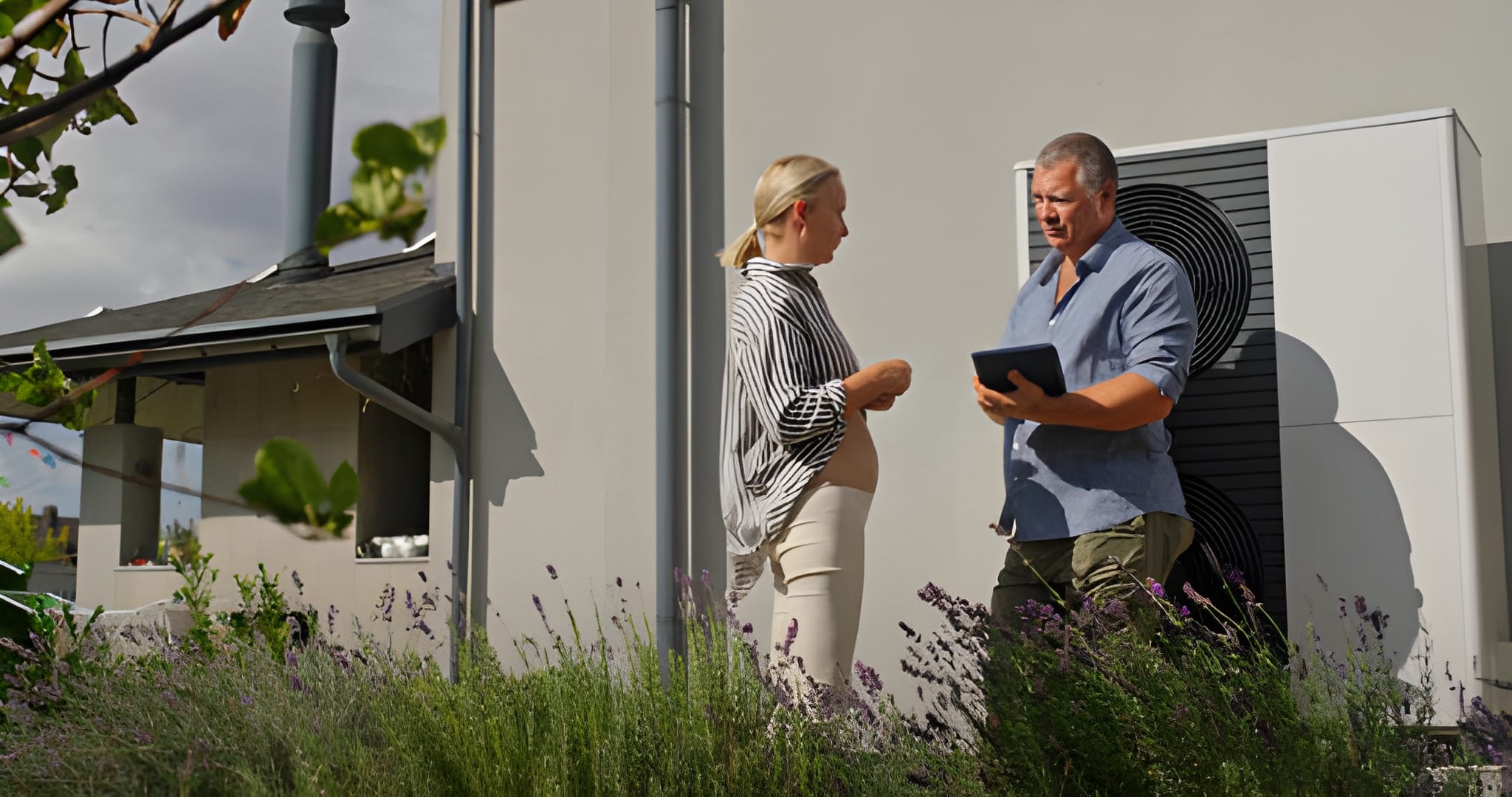
Keeping your heating and cooling systems well maintained is essential in East Wenatchee, WA, where hot, dry summers and cold winters place seasonal stress on HVAC equipment. Regular, professional HVAC maintenance prevents unexpected breakdowns during peak demand, helps control energy bills, and extends the life of your system.
Why HVAC maintenance matters in East Wenatchee, WA
East Wenatchee homes face a unique combination of climate and environmental factors:
- Hot, dry summers push air conditioners and heat pumps to work harder for longer.
- Cold winters and occasional freeze-thaw cycles stress furnaces and heat pump components.
- Agricultural dust, orchard pollen, irrigation-related particulates, and wildfire smoke increase filter load and coil fouling.
- Low humidity can increase static and affect filtration needs.
These conditions mean routine maintenance is not optional if you want reliable comfort, consistent efficiency, and fewer emergency repairs.
Common HVAC problems in East Wenatchee homes
Regular service uncovers issues before they become costly. Common problems we see locally include:
- Reduced cooling capacity from dirty coils and clogged filters
- Short cycling or uneven heating due to thermostat or control issues
- Refrigerant leaks or undercharge that reduce AC performance during heat waves
- Clogged condensate drains that cause water damage and system shutdowns
- Corroded electrical connections and failing capacitors after seasons of heavy use
- Combustion inefficiencies and carbon monoxide risk in older furnaces
What a seasonal tune-up includes
A professional HVAC tune-up follows a methodical checklist designed to optimize performance and safety. Typical tasks include:
- Visual system inspection for wear, leaks, and corrosion
- Replace or inspect air filters; recommend proper MERV rating for indoor air quality
- Clean evaporator and condenser coils to restore heat transfer
- Check refrigerant charge and test for leaks
- Inspect and clean blower wheel, motor, and drive components
- Test and calibrate thermostat settings and controls
- Tighten electrical connections, test capacitors and relays
- Clear and test condensate drain and pan
- Measure airflow and static pressure to check duct performance
- Safety checks for gas furnaces: ignition, burners, venting, and carbon monoxide testing
- Efficiency checks: running amps, temperature split, and system short-cycling
Each inspection is documented so you can see the condition of your equipment and the recommended next steps.
Recommended maintenance schedule for East Wenatchee homes
- Spring (March–May): Full AC tune-up and coil service before peak summer heat. Check refrigerant and outdoor unit clearances.
- Fall (September–November): Furnace or heat pump tune-up, combustion and safety inspection for gas systems, reverse heat pump checks.
- Filter checks: Every 1 to 3 months depending on filter type, household occupants, pets, and seasonal dust and smoke.
- Duct and register inspection: Annually, or sooner if occupants report dust, odors, or uneven rooms.
- Condensate and coil deep cleaning: Every 1 to 2 years, or more frequently after heavy wildfire smoke seasons.
Preventative maintenance program features and membership benefits
Enrollment in a maintenance plan aligns routine service with seasonal needs and brings measurable advantages:
- Scheduled annual tune-ups timed for spring and fall service windows
- Priority scheduling during peak seasons and emergency response tiers
- Regular filter change reminders and documented service records
- Discounted diagnostics and parts for covered components
- Reduced risk of mid-season breakdowns and lower emergency repair frequency
- Improved energy efficiency and predictable operating costs
- Clear, written inspection reports to support equipment warranty requirements
Memberships remove the guesswork from maintenance and help homes in East Wenatchee manage climate-driven wear more effectively.
How regular servicing extends equipment life and reduces breakdowns
Preventative service addresses root causes of failure:
- Keeping coils and filters clean avoids compressor and motor overwork
- Tightening electrical connections prevents premature capacitor and motor failures
- Early refrigerant leak detection prevents compressor damage
- Timely lubrication and calibration reduce mechanical wear and inefficient cycling
Consistent maintenance also keeps systems operating at rated efficiency; a well-maintained unit uses less energy, generates less stress on components, and typically achieves a longer service life with fewer unexpected outages.
What to expect during a professional visit
A qualified HVAC technician arriving for maintenance should:
- Perform a full checklist-based inspection and testing sequence
- Explain findings in plain language and show any visual evidence of wear or issues
- Provide a prioritized list of recommended repairs or replacements
- Document performance measurements such as temperature split, amperage, and refrigerant pressures
- Complete basic cleaning tasks and replace filters when included in the plan
Technicians familiar with East Wenatchee conditions will also advise on seasonal considerations such as wildfire smoke mitigation, dust control, and humidity management.
Maintenance tips for homeowners in East Wenatchee
- Change or check filters monthly during high-use seasons; more often during wildfire smoke events
- Keep outdoor units clear of debris, weeds, and stored items to maintain airflow
- Seal obvious duct leaks and insulate accessible ductwork in unconditioned spaces
- Use programmable thermostats to reduce unnecessary runtime and stress on equipment
- Note any unusual noises, odors, or changes in comfort and report them promptly
FAQs
Q: How often should I schedule HVAC maintenance in East Wenatchee, WA?
A: Schedule an AC tune-up each spring and a furnace or heat pump tune-up each fall. Check filters every 1 to 3 months and perform additional inspections after heavy dust or wildfire smoke events.
Q: Will maintenance improve my energy bills?
A: Yes. Cleaning coils, changing filters, and correcting refrigerant and airflow issues restore efficiency, which reduces energy consumption and helps lower utility costs.
Q: What if my system is older—should I still maintain it?
A: Absolutely. Regular maintenance for older systems reduces the chance of sudden failure, keeps operation safer and more efficient, and helps you plan for replacement on your timeline rather than during an emergency.
Q: Are filter upgrades recommended for wildfire smoke seasons?
A: Upgrading to higher efficiency filters or adding a dedicated air cleaner during wildfire smoke periods improves indoor air quality. Discuss the right MERV level for your HVAC system with a technician to avoid airflow restriction.
Q: Do maintenance plans include repair coverage?
A: Maintenance plans typically include scheduled inspections, tune-ups, and benefits like priority service and discounts on repairs. Coverage levels vary, so review plan details to understand what is included.