HVAC Maintenance in Orondo, WA

Scroll down to discover more
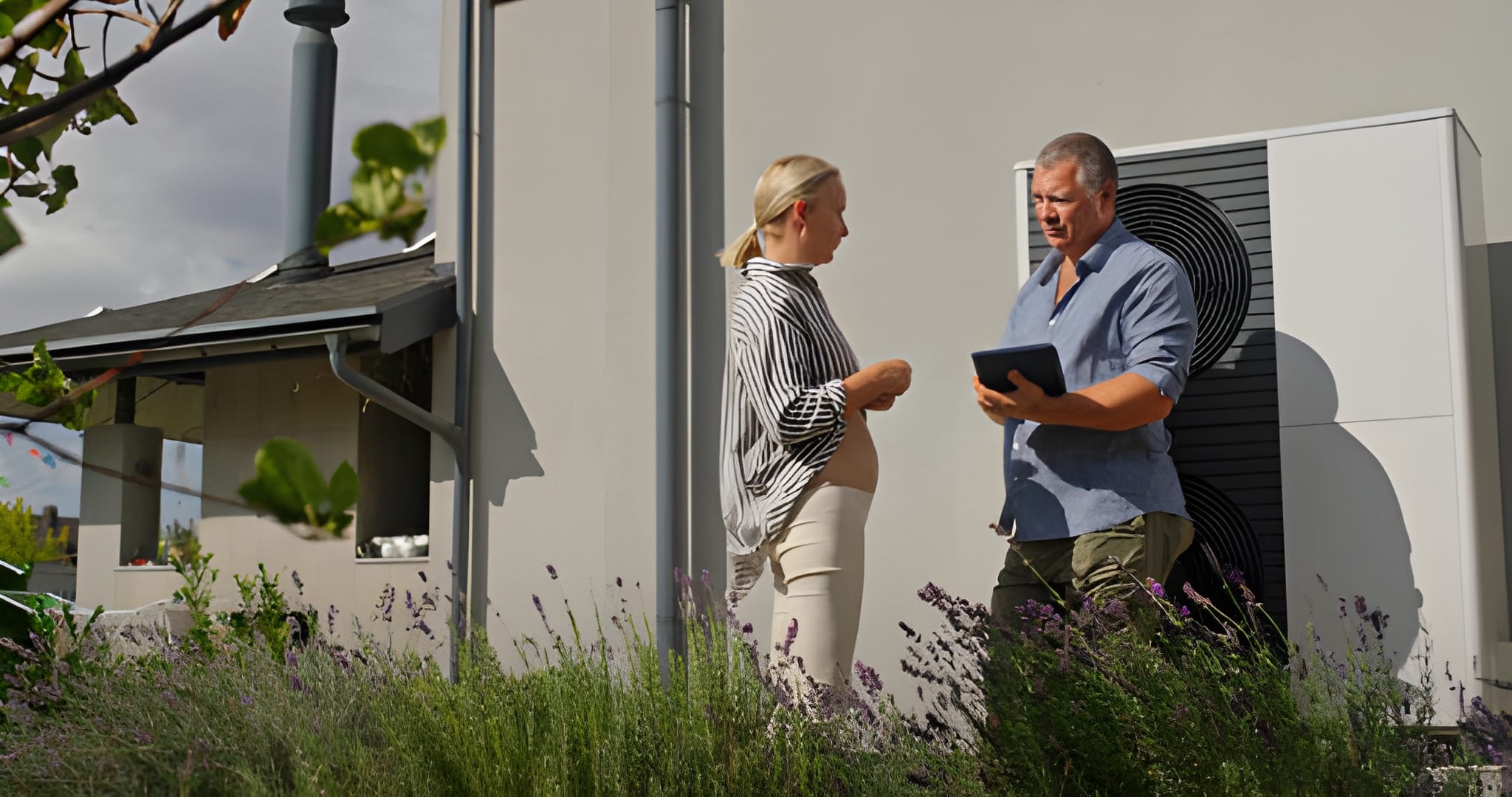
Keeping your heating and cooling system well maintained is essential for reliable comfort in Orondo, WA. With hot, dry summers, cold winter nights, frequent orchard dust, and seasonal wildfire smoke that affects indoor air quality, regular HVAC maintenance reduces breakdowns, improves efficiency, and extends equipment life for homes in the Chelan County area.
Why preventative HVAC maintenance matters in Orondo, WA
Orondo experiences wide temperature swings and periodic air quality challenges from agricultural dust and wildfire smoke. These local conditions place extra strain on filters, coils, and outdoor equipment. Regular maintenance:
- Lowers the risk of costly midseason failures when temperatures peak or dip.
- Improves energy efficiency so you use less electricity or fuel during hot summers and cold spells.
- Keeps indoor air cleaner by addressing filtration and ventilation problems.
- Preserves manufacturer warranties that often require documented maintenance.
Common HVAC problems in Orondo homes
Homeowners in this region frequently encounter the same issues that preventive maintenance can prevent or catch early:
- Restricted airflow from clogged filters or dirty ducts due to orchard dust and pollen.
- Reduced cooling capacity because outdoor coils are coated with dust or residue.
- Short cycling or uneven heating caused by improper refrigerant charge, thermostat calibration, or airflow restrictions.
- Condensate clogs and drain pan issues during humid periods or after smoky seasons.
- Corrosion or wear on outdoor units from irrigation or occasional wet conditions.
- Carbon monoxide risk and reduced furnace efficiency from cracked heat exchangers or neglected combustion components.
What a seasonal tune-up includes
A thorough seasonal tune-up is typically performed in spring for cooling systems and fall for heating systems. A complete inspection and service checklist usually covers:
- Visual system inspection of indoor and outdoor units, filters, vents, registers, and ductwork.
- Filter check and replacement or recommendation based on type; frequency typically every 1 to 3 months for standard filters, longer for high-efficiency filters.
- Cleaning of evaporator and condenser coils to restore heat transfer.
- Checking refrigerant levels and inspecting for leaks, plus verifying system pressures.
- Electrical safety and performance checks including contactors, fuses, wiring, and capacitors.
- Blower and motor inspection; cleaning and lubrication as needed to maintain airflow.
- Thermostat calibration and verification of control sequences and setpoints.
- Airflow measurements and delta T checks to confirm the system is moving and conditioning the expected air volume.
- Condensate drain and pan cleaning to prevent overflow and microbial growth.
- Combustion and venting inspection for gas furnaces, including heat exchanger review for cracks.
- Safety control tests and confirmation that emergency shutoffs operate correctly.
- Indoor air quality assessment and filter recommendations tailored to wildfire smoke or pollen seasons.
Diagnostic and efficiency checks explained
Technicians perform a series of tests to diagnose system health and efficiency without confusing technical jargon:
- Airflow test: measures whether the system is delivering the right amount of air to each space. Low airflow often points to clogged filters, blocked ducts, or a failing blower.
- Delta T (temperature split): the difference between supply and return air to verify proper cooling or heating performance.
- Electrical load scan: checks for high current draw that shortens motor life or indicates failing components.
- Refrigerant verification: ensures the charge is within manufacturer specifications for best efficiency and to avoid compressor damage.
- Safety functional checks: confirm that limit switches, pressure switches, and emergency controls are operating.
Typical solutions and repairs during maintenance
During a maintenance visit technicians will perform routine actions and may recommend repairs when necessary:
- Replace or upgrade filters to match air quality needs, especially after smoke events or during high-pollen months.
- Clean coils and condensate lines to restore full capacity and prevent microbial growth.
- Tighten electrical connections and replace worn capacitors or contactors that can cause intermittent failures.
- Seal or balance ducts where airflow is poor, improving comfort and lowering energy waste.
- Repair or replace failing motors, sensors, or thermostats identified during testing.
- Address refrigerant leaks and recharge systems when required.
Maintenance plans and service agreements
Maintenance plans are designed to keep systems serviced year after year and can include the following features:
- Scheduled seasonal tune-ups, typically once or twice per year depending on system age and local conditions.
- Priority scheduling windows during peak seasons to minimize downtime.
- Regular service reminders and documented inspection reports that help with warranty compliance.
- Discounts on diagnostic fees or parts for plan members and options for transferable agreements when you sell a home.
- Customized plans focused on homes affected by wildfire smoke, orchards, or irrigation humidity with more frequent filter changes and targeted indoor air quality steps.
Scheduling options and what to expect
To protect comfort through summer and winter, timing matters:
- Spring tune-ups for air conditioning before hot weather ensure full cooling capacity and efficiency.
- Fall tune-ups for furnaces and heat pumps before the cold season confirm safe and reliable heating.
- Additional visits after wildfire smoke events or heavy pollen periods can reset indoor air quality and replace clogged filters.
- A standard seasonal tune-up generally takes 45 to 90 minutes depending on system complexity and the condition found.
- For older systems, biannual maintenance can prevent accelerated wear and catch issues that would otherwise turn into emergency repairs.
Long term benefits of regular HVAC maintenance
Consistent maintenance delivers measurable value:
- Fewer emergency repairs, especially during peak heat and cold.
- Longer equipment life, often extending major component lifespan by several years.
- Lower utility bills thanks to optimized system performance.
- Improved indoor air quality, which matters in agricultural and smoke-prone areas.
- Clear service records that support warranty claims and add buyer confidence if you sell your house.
FAQs
Q: How often should I have HVAC maintenance in Orondo, WA?
A: Most homes benefit from a full tune-up once per year for heating and once per year for cooling. Homes exposed to more dust, pollen, or smoke may need more frequent filter changes and a second visit annually.
Q: What filter should I use to handle orchard dust and wildfire smoke?
A: MERV 8 to MERV 13 filters offer stronger particle capture than basic fiberglass filters. For wildfire smoke, high-efficiency particulate filters or portable air cleaners with HEPA are recommended for better indoor air protection.
Q: Will maintenance reduce my energy bills?
A: Yes. Cleaning coils, ensuring correct refrigerant levels, and optimizing airflow restore system efficiency and typically lower energy use by reducing run time and improving capacity.
Q: How long does a seasonal tune-up take?
A: Most seasonal tune-ups take 45 to 90 minutes depending on system size and if repairs or deep cleaning are needed.
Q: Does maintenance affect my warranty?
A: Many manufacturers require documented annual maintenance to keep warranties valid. A written inspection report is useful proof of service.
Q: Should I get a maintenance plan or pay per visit?
A: Maintenance plans provide consistent, scheduled service and documentation, often with priority scheduling and cost savings over time. Pay-per-visit works for households with minimal usage or newer systems but may result in less predictable protection.
Q: What signs mean I need maintenance now?
A: Unusual noises, reduced airflow, uneven temperatures, rising energy bills, visible dust on vents, or a strong combustion smell indicate it is time for an inspection. Regular tune-ups help prevent these symptoms from becoming serious failures.