HVAC Maintenance in Sunnyslope, WA

Scroll down to discover more
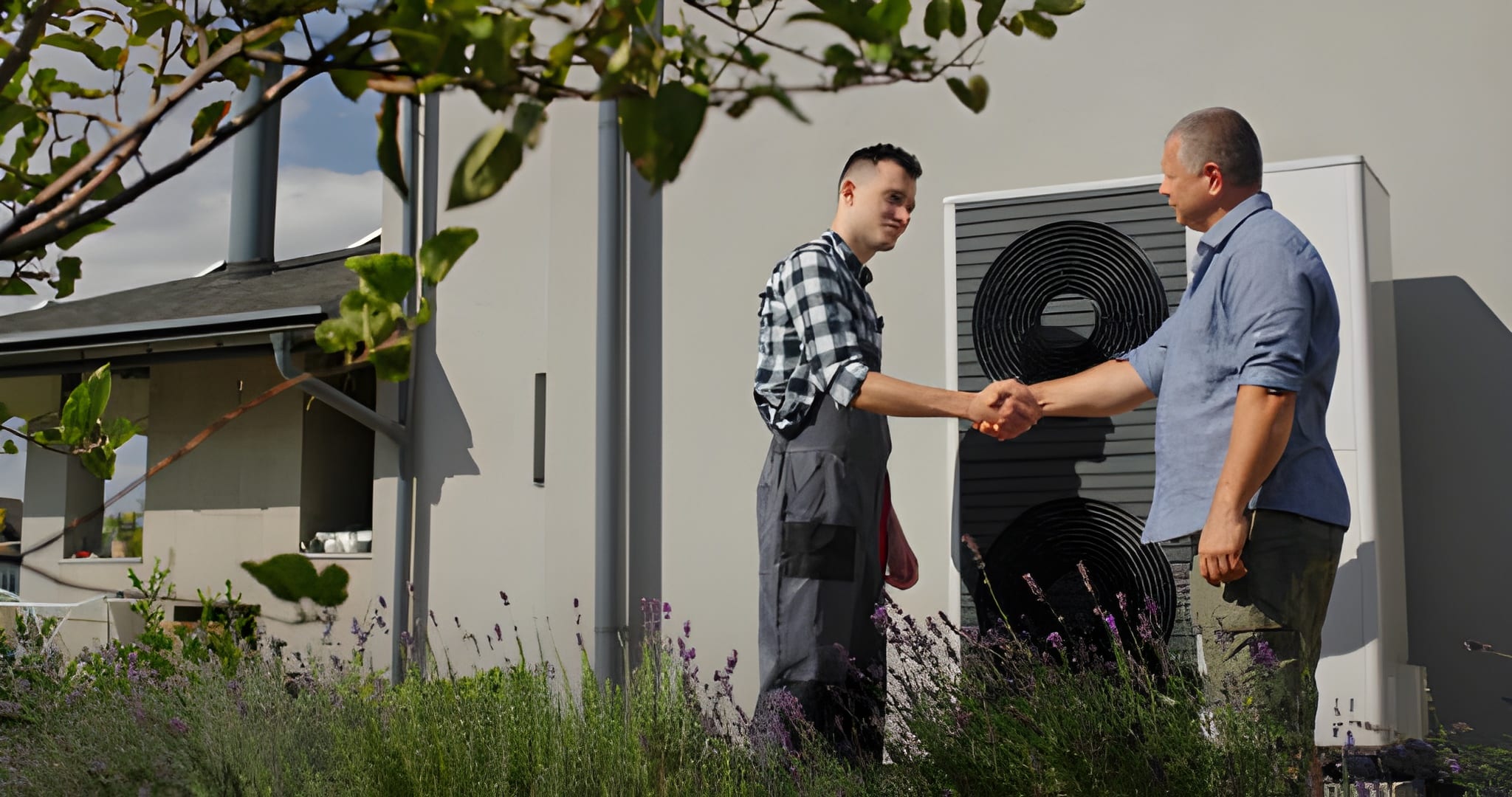
Keeping your heating and cooling system well maintained is one of the most effective ways to protect comfort, reduce energy costs, and avoid unexpected breakdowns in Sunnyslope, WA. With hot, dry summers and cold winter nights common in the Wenatchee Valley, HVAC systems in local homes face seasonal extremes, dust from orchards and irrigation, and periodic wildfire smoke. Regular preventive maintenance and seasonal tune-ups address those challenges before they become costly failures.
What a preventive HVAC maintenance program includes
A professional maintenance visit focuses on safety, efficiency, and reliability. Typical checklist items for Sunnyslope homes include:
- Filter replacement or inspection (recommendations based on filter type and indoor conditions)
- Evaporator and condenser coil cleaning to restore heat transfer and cooling capacity
- Burner assembly and heat exchanger cleaning/inspection for gas furnaces, including combustion checks
- Refrigerant level check and leak assessment for air conditioners and heat pumps
- Safety inspections including carbon monoxide checks, flame sensors, and pressure/vacuum tests
- Electrical component checks: contactors, capacitors, wiring, and control terminals
- Blower motor and fan inspection; lubrication where required
- Thermostat calibration and control verification
- Condensate drain cleaning to prevent overflow and moisture damage
- Ductwork and vent inspection for restricted airflow and visible leaks
- Performance testing: temperature split, airflow, and operating amperage to confirm efficient operation
Common HVAC issues in Sunnyslope homes
Local climate and home conditions create recurring problems that maintenance prevents:
- Excessive dust and pollen clogging filters and coils during irrigation and orchard spraying seasons
- Reduced cooling capacity in summer from dirty condenser coils and low refrigerant
- Furnace ignition or burner issues after long idle periods in spring and fall
- Indoor air quality declines during wildfire smoke events when filters and ventilation systems are not prepared
- Rapid temperature swings that stress system components and lead to premature failure
Seasonal tune-up process — what to expect
Seasonal tune-ups are performed with a consistent, documented process that focuses on prevention and verification:
- System start-up and safety shut-down procedures to prevent damage.
- Visual inspection of all accessible components to identify wear or corrosion.
- Cleaning of coils, burners, and accessible components that impact efficiency.
- Refrigerant check and pressure measurement; corrective recommendations if levels are off.
- Electrical and control testing, including amperage draw and voltage checks.
- Airflow measurement and filter assessment; blower adjustments if necessary.
- Combustion analysis for gas systems and carbon monoxide safety checks.
- Final performance test and written service report summarizing findings and recommended repairs.
Most tune-ups take about 60 to 90 minutes per system. Technicians typically leave a maintenance sticker with the visit date and a copy of the checklist so service history is documented for warranty compliance.
How preventive maintenance protects your investment
Regular maintenance delivers measurable benefits for Sunnyslope homeowners:
- Improved efficiency: Clean coils, proper refrigerant charge, and unobstructed airflow help systems use less electricity and lower operating costs.
- Greater reliability: Identifying worn parts early avoids mid-summer or mid-winter emergencies when service windows are tight.
- Extended equipment life: Routine care reduces stress on components and delays costly replacements.
- Warranty compliance: Many manufacturers require documented annual maintenance to keep parts or unit warranties valid.
- Health and safety: Proper combustion analysis, carbon monoxide checks, and clean filters help maintain indoor air quality and occupant safety.
Maintenance plan features and scheduling details
Maintenance plans designed for Sunnyslope homes typically include:
- Annual or biannual tune-ups timed for cooling and heating seasons
- Seasonal reminders and coordinated scheduling windows to match local peak seasons
- A written service history and inspection report after each visit for warranty records
- Priority appointment windows during peak weather periods to reduce wait times
- Customized maintenance frequency recommendations based on system type and home conditions (for example, homes in farming areas or with wildfire smoke exposure may benefit from more frequent filter changes)
Signing up for a plan is often flexible throughout the year and scheduled around homeowner convenience. Plans are structured to align tune-ups with spring AC prep and fall furnace/heat pump prep to maximize system readiness for Sunnyslope’s seasonal extremes.
Simple steps you can take between professional visits
Small actions between tune-ups keep your system running smoothly:
- Replace or clean filters every 1 to 3 months, more frequently during dusty or smoky conditions
- Keep outdoor condenser units free of debris and vegetation for proper airflow
- Maintain clear return vents and supply registers inside the home
- Program the thermostat for consistent setbacks that reduce system cycling
- Note unusual noises, odor, or reduced airflow and record the date these signs began for technician diagnosis
Regular professional maintenance combined with informed homeowner care reduces the risk of breakdowns and improves year-round comfort.
FAQs
Q: How often should I schedule HVAC maintenance for my Sunnyslope home?
A: At minimum, schedule professional maintenance once a year for heat-only systems and twice a year for combined heating and cooling systems—once before cooling season and once before heating season.
Q: Will maintenance visits affect my equipment warranty?
A: Properly documented maintenance visits are often required to keep manufacturer warranties active. A written service report after each visit provides the documentation most manufacturers request.
Q: How long does a seasonal tune-up usually take?
A: Most tune-ups take between 60 and 90 minutes per system, depending on system type, age, and any issues found during inspection.
Q: What signs mean I need service before my scheduled tune-up?
A: Watch for reduced airflow, uneven temperatures, unusual noises, frequent cycling, visible leaks, or any gas odor or carbon monoxide alarm triggers—these all merit prompt inspection.
Q: Do tune-ups include refrigerant refills or major repairs?
A: Tune-ups include refrigerant checks and will identify leaks or low charge. Refrigerant recharge or major parts replacement are separate services and will be recommended in a written estimate if needed.
Q: Can maintenance improve indoor air quality during wildfire smoke events?
A: Yes. Maintenance ensures filters and ventilation components are working correctly; upgrading to higher-efficiency filters during smoke periods can significantly reduce indoor particulate levels.