HVAC Maintenance in Terrace Park, WA

Scroll down to discover more
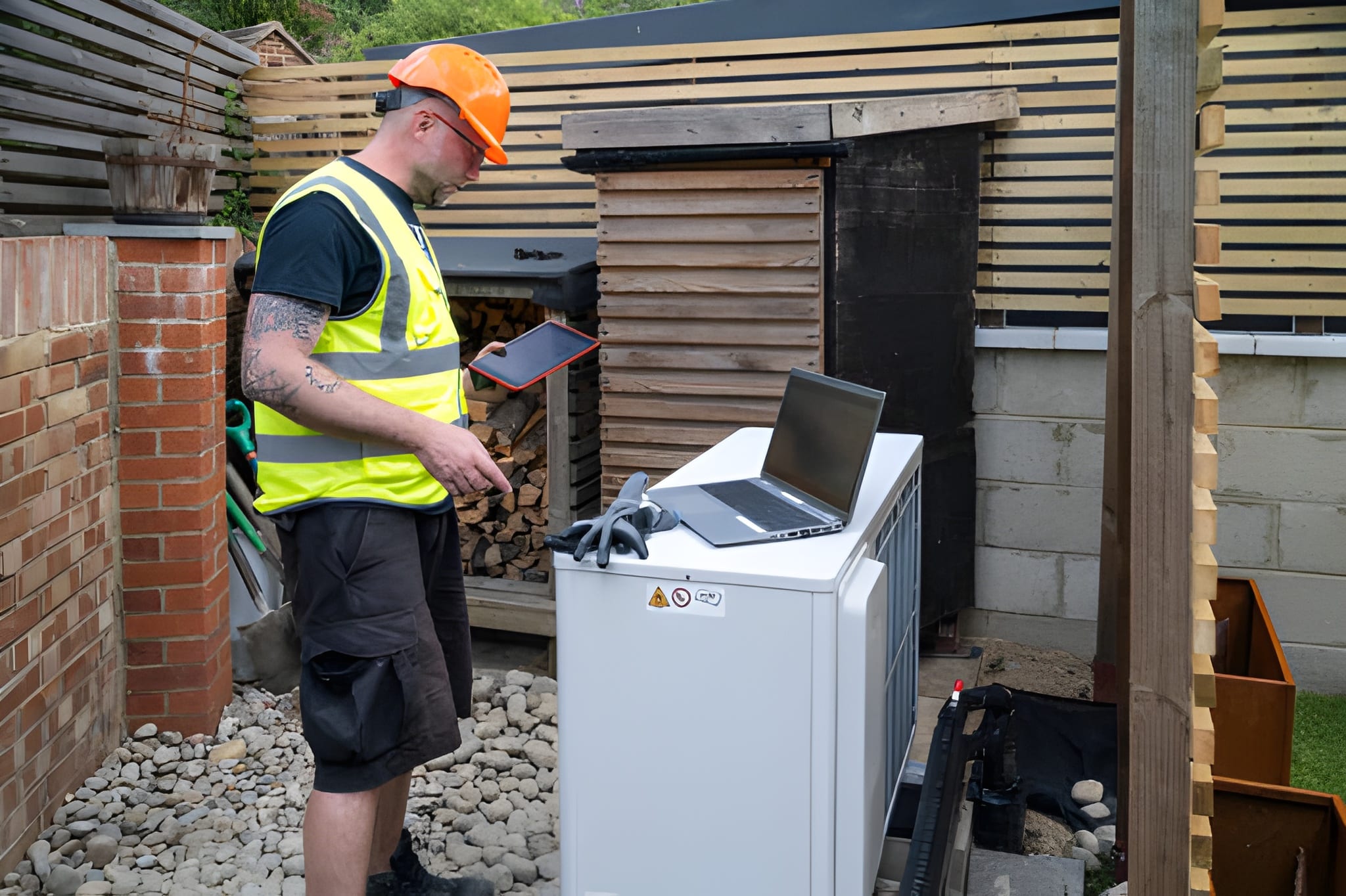
Keeping your heating and cooling systems running reliably in Terrace Park, WA means planning for the seasons and the specific stresses local homes face. HVAC maintenance in Terrace Park, WA focuses on preventive care that maximizes efficiency, reduces unexpected breakdowns, improves indoor air quality, and extends equipment life. Whether you have a central air system, heat pump, furnace, or ductless mini-split, a structured maintenance program addresses the most common failure points before they become costly repairs.
Common HVAC maintenance issues in Terrace Park homes
Terrace Park homeowners see patterns driven by the region’s climate and environment:
- Clogged filters and dusty coils from dry, dusty summers and spring pollen.
- Reduced cooling performance in summer from dirty outdoor coils or low refrigerant.
- Short cycling or poor heating during cold snaps caused by thermostat issues or failing components.
- Combustion and safety risks in older furnaces, including blocked flues, dirty burners, or ignition faults.
- Indoor air quality decline during wildfire smoke seasons when filters and ventilators are overloaded.
Recognizing these recurring problems helps prioritize preventive service that keeps systems efficient and safe.
What preventive maintenance includes
A comprehensive maintenance visit covers multiple checks and adjustments designed to protect performance and safety:
- Seasonal tune-ups (spring for cooling, fall for heating) with full system start-up and operational verification.
- Filter inspection and replacement guidance to maintain airflow and indoor air quality.
- Coil and condenser cleaning to preserve heat transfer efficiency.
- Refrigerant level check and leak detection to maintain cooling capacity without overcharging.
- Combustion safety inspection and carbon monoxide testing on gas-fired equipment to confirm safe operation.
- Electrical component inspection, tightened connections, and capacitor/motor condition checks to prevent failures.
- Blower motor, fan, and belt inspections for airflow integrity.
- Condensate drain cleaning to avoid backups that cause water damage or microbial growth.
- Thermostat calibration and control testing for accurate temperature control.
- Performance testing: measuring temperature differentials, airflow, and system pressures to confirm optimal operation.
Each item has an immediate effect on comfort, safety, and operating cost, and together they form a predictable maintenance routine.
How diagnostics and performance testing work
Effective maintenance goes beyond visual checks. Technicians use targeted diagnostics to measure how a system performs under load:
- Temperature split testing checks the difference between supply and return air to verify cooling or heating effectiveness.
- Refrigerant pressure measurements and leak-detection tools ensure the system operates within manufacturer specifications.
- Electrical amperage and voltage checks identify stressed motors or failing capacitors before they fail.
- Combustion analysis on gas appliances confirms proper fuel-to-air ratios and safe venting.
These tests highlight inefficiencies that simple visual inspections can miss and guide repairs that restore manufacturer-level performance.
Typical repairs and solution planning
When maintenance reveals issues, repairs are scoped to restore safety and efficiency:
- Cleaning and minor repairs: coil cleaning, drain clearing, filter replacement, and thermostat recalibration.
- Component replacement: capacitors, contactors, belts, blower motors, ignition sensors, and zone dampers are common maintenance-related replacements.
- Refrigerant leak repair and recharge where needed, followed by retesting for system balance.
- For combustion systems, cracked heat exchangers or compromised venting typically require replacement rather than repair for safety reasons.
Technicians should explain whether a repair restores full expected service life or whether replacement will be the more reliable long-term solution.
Maintenance plan and contract options
Maintenance plans are structured to fit different priorities and budgets without compromising coverage. Typical plan tiers include:
- Basic plan: annual inspection and checklist service, filter reminders, and record keeping for warranty compliance.
- Standard plan: biannual tune-ups (spring and fall), basic priority scheduling, and standard parts discount.
- Premium plan: biannual tune-ups plus priority emergency scheduling, higher parts and labor discounts, comprehensive safety inspections, and seasonal filter delivery options.
Plans may be billed annually or as a predictable monthly subscription and generally include service reminders and documentation required by many manufacturers to keep warranties valid. Comparing plan benefits helps homeowners choose the level of protection that matches system value and household needs.
Why timely maintenance matters in Terrace Park
Local weather patterns produce significant temperature swings across the year, and periodic wildfire smoke and spring pollen elevate the burden on filters and indoor air systems. Regular maintenance:
- Keeps systems running efficiently during hot summers and cold winters when equipment works hardest.
- Reduces the likelihood of mid-season failures that are expensive and disruptive.
- Preserves indoor air quality during smoke or pollen events by ensuring filtration and ventilation work as intended.
- Helps sustain energy efficiency, which lowers operating costs over time and reduces wear on components.
Maintenance is an investment in predictable comfort and long-term equipment stewardship.
Seasonal schedule recommendations and homeowner tips
- Spring: full AC tune-up, refrigerant and condenser checks, and coil cleaning before heavy cooling use.
- Fall: furnace or heat pump heating inspection, combustion safety check, and thermostat calibration.
- Mid-season: inspect and replace filters more frequently during wildfire smoke or high-pollen months.
Quick homeowner actions that support maintenance:
- Replace or check filters monthly during heavy-use seasons.
- Keep outdoor units clear of leaves, grass, and debris.
- Maintain a consistent thermostat schedule to reduce HVAC stress.
- Note unusual noises, odors, or changes in performance and follow up at the next scheduled maintenance.
FAQs
Q: How often should I schedule HVAC maintenance?
A: Most systems benefit from biannual tune-ups—one for cooling in spring and one for heating in fall—with filter checks more frequently based on usage and air quality.
Q: Will maintenance extend the life of my equipment?
A: Regular maintenance reduces wear and tear, prevents small issues from becoming major failures, and can meaningfully extend useful equipment life when performed consistently.
Q: What should I expect during a tune-up?
A: A thorough tune-up includes filter checks, coil and blower cleaning, refrigerant and combustion inspections, electrical testing, thermostat calibration, condensate drain clearing, and performance testing.
Q: Do maintenance plans affect my equipment warranty?
A: Following manufacturer-recommended maintenance and keeping service records typically helps preserve warranty coverage. Check your specific warranty requirements.
Q: Can maintenance improve efficiency enough to lower my energy bills?
A: Yes. Cleaning coils, correcting refrigerant levels, tightening electrical connections, and ensuring proper airflow all restore efficiency and reduce energy consumption when compared with neglected systems.