
HVAC Replacement in Lake Wenatchee, WA

Scroll down to discover more
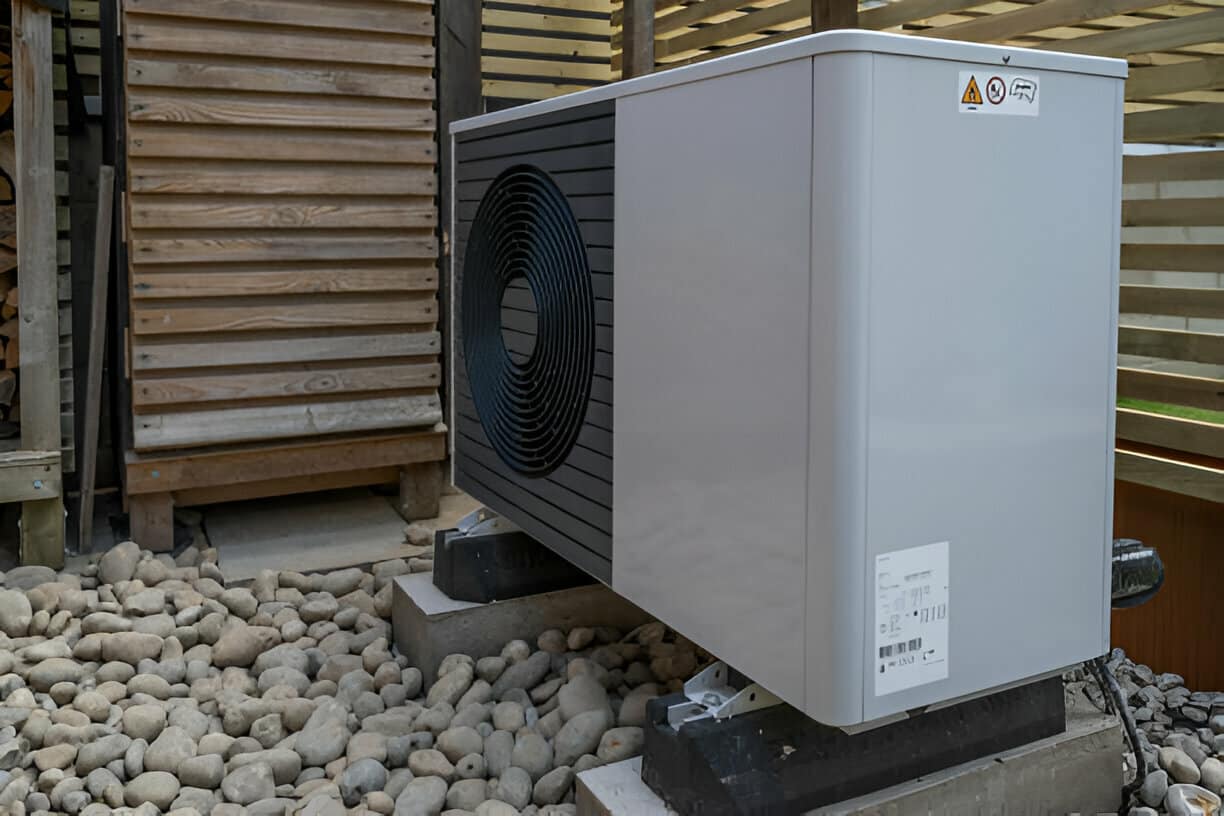
Replacing an aging or underperforming HVAC system is one of the most impactful home upgrades Lake Wenatchee homeowners can make. With cold, snowy winters, cool nights, and warm, dry summers, homes here need heating that is reliable in subzero temperatures and cooling that handles summer peaks without excessive energy bills.
Why consider HVAC replacement now
- Aging systems lose efficiency, raise utility bills, and increase the risk of unexpected failure during extreme cold.
- Older electric resistance or low-efficiency furnaces are costly to run in the winter months typical of Lake Wenatchee.
- Replacing an oversized or undersized unit improves comfort, reduces humidity problems, and extends equipment life.
- Newer heat pumps and mini-splits perform well in cold climates and can cut annual heating costs substantially while also providing efficient summer cooling.
Common replacement triggers and system types in Lake Wenatchee
- Intermittent heating failures or frequent repairs on furnaces or AC units.
- Uneven temperatures between rooms in cabins, post-and-beam homes, or additions with poor duct design.
- High electric bills during winter from electric resistance heating.
- Upgrades to ductless mini-splits for second homes, shops, or rooms without existing ductwork.
- Conversion from electric forced heat to heat pump systems to take advantage of local utility rebates.
Typical replacement options:
- Cold-climate heat pumps (air-source and cold-climate models) for year-round heating and cooling.
- Central air systems paired with high-efficiency furnaces or heat pumps for whole-house solutions.
- Ductless mini-splits for add-ons, unheated basements, or homes without ducts.
- Hybrid systems combining a heat pump with a gas furnace for peak cold backup where available.
How we assess your current system
A thorough replacement begins with a complete system assessment:
- Visual inspection of outdoor unit, indoor equipment, ductwork, and controls.
- Measurement of current airflow, refrigerant charge, and electrical characteristics.
- Evaluation of insulation, windows, and air sealing that affect load.
- Review of your comfort priorities, occupancy patterns, and budget.
Sizing and load calculations
Proper sizing is critical. We use recognized industry methods such as Manual J load calculation to determine heating and cooling needs based on:
- Square footage, ceiling height, orientation, and window area.
- Insulation levels, air infiltration, and building envelope condition.
- Local climate factors, including elevation and typical winter low temperatures in Lake Wenatchee.
- Incorrect sizing leads to short cycling, higher energy use, and reduced comfort. Duct design (Manual D) and equipment selection (Manual S) are matched to those calculations.
Energy-efficient upgrade options for Lake Wenatchee homes
- Cold-climate heat pumps: Modern cold-climate models maintain heating capacity well below freezing, delivering major savings compared to electric resistance. They also provide efficient cooling and dehumidification in summer.
- High-efficiency central air units: When paired with properly sized furnaces or heat pumps, they deliver consistent whole-house comfort.
- Ductless mini-splits: Ideal for cabins, additions, or rooms where extending ducts is impractical. Offer zone control and high seasonal efficiency.
- Zoning and smart controls: Zone dampers, programmable thermostats, and smart controls improve comfort and reduce wasted energy.
- Duct sealing and insulation improvements: Often overlooked, these measures increase system effectiveness and lower load requirements.
Rebates, incentives, and financing options
Lake Wenatchee homeowners frequently qualify for utility and government incentives that lower upfront costs:
- Local utility programs, such as Chelan County PUD, have offered rebates for switching from electric forced heat to heat pumps. Typical incentives can be significant and change over time.
- Commercial and residential rebates may vary by program year and equipment type; some programs offer per-ton incentives for commercial conversions.
- Federal tax credits and energy-efficiency incentives may be available for qualifying heat pump installations.
- Financing options are commonly available to spread replacement costs over time through equipment financing or energy-efficiency loan programs.
Always confirm current rebate and tax credit details before finalizing equipment selection, since program requirements and incentive amounts change periodically.
Replacement process and timelines
A typical replacement follows a predictable sequence:
- Detailed on-site consultation and load calculation.
- Equipment recommendation and paperwork for rebates or permits.
- Scheduling and pre-installation checks.
- Removal of old equipment, careful disposal, and preparation of the space.
- Installation, refrigerant charging, duct connections, electrical tie-ins, and system startup.
- Commissioning, airflow balancing, safety checks, and homeowner orientation.
Timelines vary by system:
- Mini-split replacement or single-zone installs: commonly 1 day.
- Central heat pump or furnace and AC swaps: typically 1 to 3 days.
- More complex full-system replacements including ductwork or zoning: 2 to 5 days.
Warranty, maintenance, and projected energy savings
- Manufacturer warranties typically cover parts for 5 to 12 years on modern systems; some models include extended warranties for registered installations.
- Labor warranties for installation work vary; confirm coverage length and what it includes.
- Regular maintenance (annual tune-up, filter changes, refrigerant checks) preserves efficiency and warranty eligibility.
- Projected energy savings depend on your starting system: converting from electric resistance heating to a heat pump can reduce heating costs by 30 to 60 percent in many cases. Replacing a 15-year-old heat source with a modern high-efficiency unit typically lowers annual utility bills by 20 to 40 percent, depending on usage patterns and fuel type.
- Consider total lifecycle costs, not just equipment price; higher-efficiency systems often repay the premium through lower operating costs and available incentives.
What to expect after replacement
After replacement expect quieter operation, more consistent set temperatures, and improved indoor comfort. New systems offer improved humidity control through summer and better temperature retention in winter. Plan for a seasonal maintenance schedule to maintain performance and maximize equipment lifespan.
FAQs
Q: How do I know if my Lake Wenatchee home should switch from a furnace or electric heat to a heat pump?
A: If your current system is older, costly to run in winter, or you have electric resistance heat, a cold-climate heat pump can often deliver comparable comfort with significantly lower operating costs. A load calculation and review of your utility rates and rebate eligibility will determine the best option.
Q: Will a heat pump work reliably in very cold Lake Wenatchee winters?
A: Modern cold-climate heat pumps retain capacity at subzero temperatures and are an effective primary heat source in many Lake Wenatchee homes. In extremely cold conditions, hybrid systems or backup electric/gas heat can be used for brief peak periods if needed.
Q: How long does a full HVAC replacement take?
A: Simple mini-split installs commonly take one day. Swapping a central heat pump or furnace and AC is usually 1 to 3 days. Full replacements involving ductwork, zoning, or permitting can take 2 to 5 days.
Q: What rebates or incentives are available locally?
A: Utility programs in Chelan County have offered rebates for switching from electric forced heat to heat pumps, sometimes up to several thousand dollars. Incentives vary by program year and project; verify current offerings through local utility program administrators.
Q: How are replacement systems sized for my house?
A: Professional sizing uses industry-standard Manual J calculations that factor in square footage, insulation, orientation, windows, and local climate. Proper sizing prevents short cycling and improves comfort.
Q: What warranties should I expect?
A: Manufacturer parts warranties commonly range from 5 to 12 years, with some products offering extended coverage. Installation labor warranties vary by provider. Keep documentation and adhere to recommended maintenance to preserve warranty coverage.