HVAC Replacement in Sunnyslope, WA

Scroll down to discover more
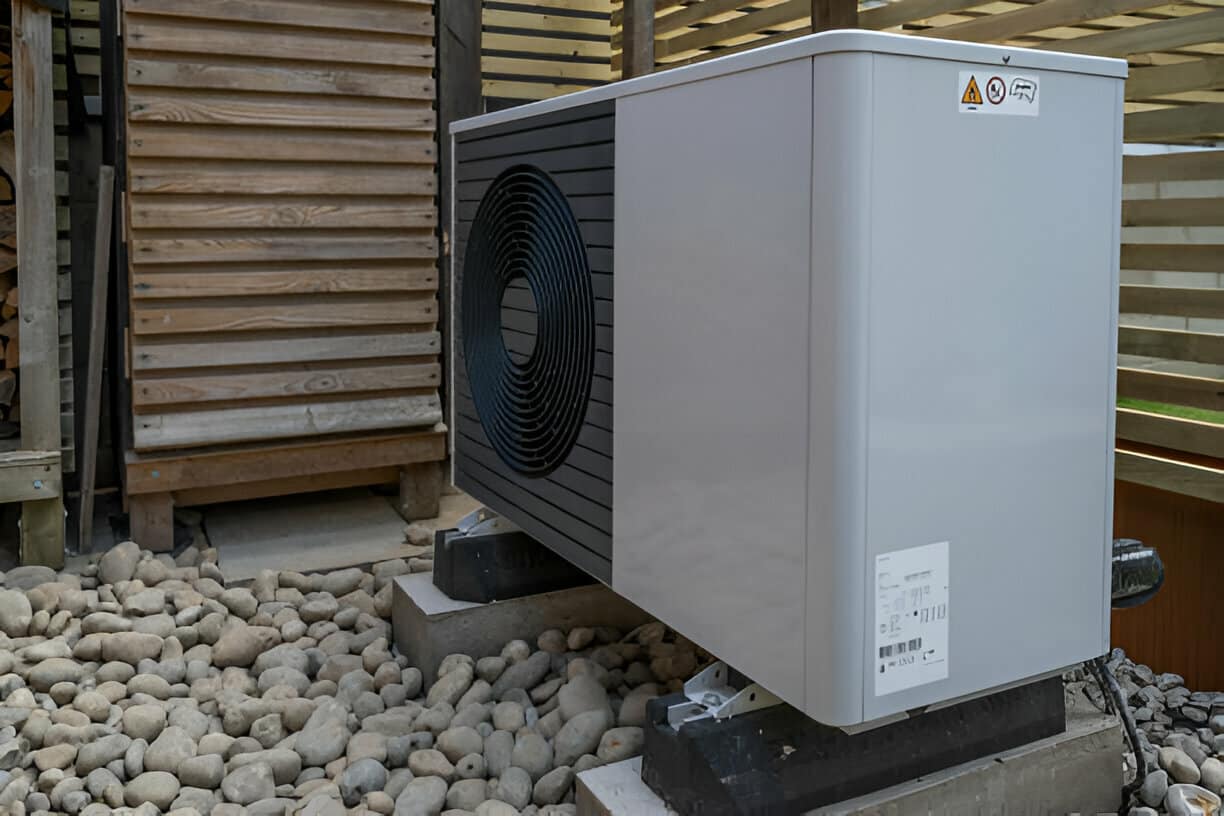
Upgrading your home comfort system is one of the most impactful investments you can make for long-term comfort, energy savings, and indoor air quality. In Sunnyslope, WA, where hot, dry summers and cool winters place clear demands on both cooling and heating, an HVAC replacement tailored to local conditions ensures reliable performance year-round.
Why consider HVAC replacement in Sunnyslope, WA
- Older systems lose efficiency and can cost substantially more to operate during peak summer and winter months typical of the Wenatchee Valley climate.
- Right-sized, modern equipment provides more consistent temperatures, better humidity control during shoulder seasons, and quieter operation.
- Local incentives and utility rebates in the Chelan County area often make high-efficiency upgrades more affordable than expected.
Common replacement scenarios we evaluate
- A furnace or heat pump is older than 10-15 years and requires frequent repairs.
- Uneven heating or cooling across rooms, often due to undersized equipment or ductwork issues.
- Rising utility bills despite regular maintenance.
- Home renovations or additions that change heating and cooling load requirements.
- Desire to switch fuel types (for example, from electric resistance or aging gas systems to a modern heat pump).
Step 1 – Comprehensive system evaluation
Every replacement begins with a full on-site inspection:
- Visual inspection of existing equipment, ductwork, attic and crawlspace access points, condensate lines, and outdoor unit location.
- Review of past service records and a discussion of household comfort priorities.
- Basic performance checks such as refrigerant charge, airflow, static pressure, and combustion safety for gas equipment.
- This evaluation identifies whether the current duct system, electrical service, or ventilation needs upgrading alongside the new equipment.
Step 2 – Load calculations and right-sizing
Accurate sizing is critical for comfort and efficiency:
- We perform industry-standard Manual J load calculations to quantify your home’s heating and cooling needs based on insulation, windows, orientation, occupancy, and local climate factors in Sunnyslope.
- Right-sizing avoids oversizing, which causes short cycling, humidity problems, and higher operating costs, and undersizing, which leaves you under-comfortable during extreme temperatures.
- We also perform duct sizing checks and recommend improvements when airflow losses would negate the benefits of new equipment.
Step 3 – Energy-efficient product options
Options tailored to Sunnyslope homes include:
- Heat pumps: Air-source heat pumps provide efficient heating and cooling in moderate climates and can replace electric resistance or older gas systems. Cold-climate heat pump models maintain good performance during our colder months while offering significant electricity savings in shoulder seasons.
- High-efficiency furnaces: Modern gas furnaces with 95%+ AFUE deliver dependable heat and are a logical choice where gas service exists and homeowners prefer combustion heating.
- Central air conditioners: High-SEER AC systems paired with proper ductwork improve comfort during hot, dry summers and reduce cooling costs.
- Ductless mini-splits: Ideal for additions, finished basements, or homes without ductwork; they offer zoned control and high seasonal efficiency.
Step 4 – Rebates, incentives, and financing assistance
- Chelan County and local utility programs frequently offer rebates for heat pump conversions and other efficiency upgrades; commercial and residential incentive structures can change seasonally.
- Federal and state energy incentives or tax credits may be available for qualifying equipment; eligibility depends on product specs and installation details.
- Financing options can help spread the investment over time; available programs often work in tandem with local rebates to lower upfront costs.
Step 5 – Removal, disposal, and compliance
- Old equipment is removed with attention to safety and local regulations: refrigerant recovery follows EPA-required procedures, and appliances are disposed of or recycled according to state rules.
- If ductwork, condensate drains, or electrical panels require upgrades, we coordinate work to minimize disruption and ensure code compliance.
- Proper permitting and inspections are arranged when required by local jurisdictions.
Warranties and projected energy savings
- New systems typically include manufacturer parts warranties; common terms are 5 to 12 years for parts, with some manufacturers offering extended coverage on specific components.
- Labor warranties from installers vary; documented installation practices help protect warranty coverage.
- Projected savings vary by equipment and the system being replaced:
- Replacing an old electric resistance heater with a modern heat pump can reduce heating energy use by 30 to 60%, depending on home efficiency and system match.
- Upgrading from a low-efficiency gas furnace (60-80% AFUE) to a 95% AFUE model commonly reduces fuel consumption by 20 to 40%.
- Moving from older central AC (10-12 SEER) to a 16-20 SEER unit can lower cooling energy use by 30% or more.
- Estimated savings should be treated as an informed projection; actual results depend on home envelope, thermostat settings, and occupancy patterns.
Installation quality and what to expect during the swap
- Proper installation steps include precise refrigerant charging, airflow balancing, correct venting for combustion appliances, and integrating controls or thermostats for zoning and efficiency.
- Expect a detailed start-up and performance verification: measured airflow, temperature split, safety checks, and instruction on operation and maintenance.
- Clean and secure equipment placement maximizes longevity and reduces future service calls.
Benefits and maintenance after replacement
- Immediate benefits: improved comfort, lower operating costs, quieter operation, and better humidity management during seasonal transitions.
- Long-term benefits: reduced repair risk, extended equipment life when maintained, and increased home value.
- Routine maintenance such as annual tune-ups, filter replacement, and periodic duct checks preserves efficiency and warranty eligibility.
FAQs
Q: How long does a full HVAC replacement typically take?
A: Most single-system replacements are completed within one to three days; complexity increases when ductwork, electrical upgrades, or permits are required.
Q: Will a new system reduce my energy bills right away?
A: Yes. A properly sized, high-efficiency system matched to your home usually reduces monthly heating and cooling costs immediately, though the magnitude depends on the old system and your usage.
Q: Are heat pumps a good option for Sunnyslope winters?
A: Modern cold-climate heat pumps perform well in the Wenatchee Valley climate, providing efficient heating through most winters and excellent cooling in summer.
Q: What happens to my old furnace or AC unit?
A: Old units are removed, refrigerant is recovered per regulations, and materials are recycled or disposed of following local environmental guidelines.
Q: Do rebates cover the full cost of a new system?
A: Rebates and incentives often offset a portion of the upgrade cost; combined with financing options and potential tax incentives, they can significantly reduce net expense but rarely cover the entire system cost.
Q: How do I ensure the new system stays efficient?
A: Schedule annual maintenance, change filters regularly, maintain clear outdoor unit clearance, and address duct leaks or insulation shortfalls to preserve efficiency and comfort.