
HVAC Replacement in Waterville, WA

Scroll down to discover more
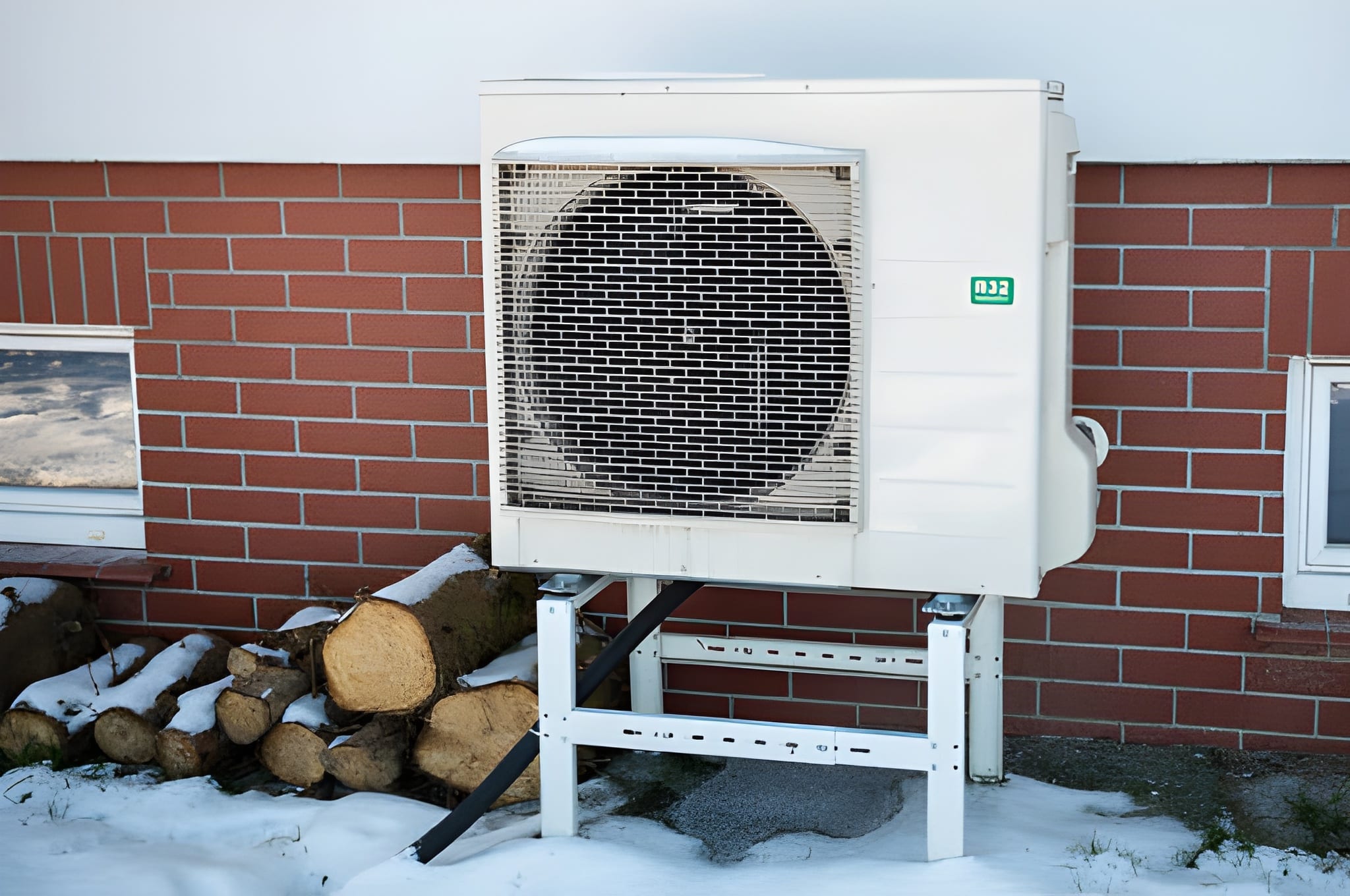
Replacing an aging or unreliable HVAC system is a major decision for Waterville homeowners. With hot, dry summers and cold winter nights in the Columbia Basin area, a properly sized, efficient HVAC system ensures year-round comfort and predictable energy costs.
Why replace your HVAC system now
- Older systems lose efficiency and cost more to run, especially during Waterville summer heat and winter cold.
- Frequent breakdowns and rising repair bills often indicate the system is nearing end of life.
- Refrigerant phase-outs (for older R22 systems) make repairs costly and unsustainable.
- Upgrading to a high-efficiency heat pump or ductless mini-split can reduce energy use and improve comfort in homes without ductwork.
Common HVAC replacement scenarios in Waterville
- Full system replacement: furnace and AC or heat pump swap for a matched, high-efficiency package.
- Heat pump replacement: modern cold-climate heat pumps that perform well through Waterville winters.
- Mini-split installation: ductless zones for additions, older homes without ducts, or targeted comfort control.
- Partial upgrades: replacing outdoor condenser or indoor coil when compatible; transitioning from electric forced heat to heat pump.
- Zoning and thermostat upgrades to improve comfort and efficiency.
The HVAC replacement process - step by step
- On-site system evaluation
- Inspect existing equipment, ductwork, electrical service, and thermostat location.
- Identify signs of duct leakage, insulation gaps, or airflow problems common in older Waterville homes.
- Load calculation and recommendations
- Perform a Manual J heat loss and heat gain calculation to determine correct system size.
- Review Manual D if duct changes are needed to ensure balanced airflow.
- Options and energy analysis
- Present appropriate, energy-efficient options: air-source heat pumps, ducted high-efficiency systems, or mini-splits.
- Compare estimated operating costs and expected efficiency in local climate conditions.
- Incentive and rebate review
- Evaluate available local utility rebates and federal incentives that apply to your replacement.
- Provide documentation assistance so you can maximize savings.
- Removal and disposal planning
- Schedule safe recovery of refrigerant and responsible disposal of old equipment.
- Address any environmental or code concerns before installation.
- Installation and testing
- Install equipment, update or replace ductwork and controls as required.
- Commission system with airflow measurements, refrigerant charge checks, and safety testing.
- Handover and documentation
- Provide warranty paperwork, operating tips, and recommended maintenance schedule.
- Explain thermostat programming and zone controls to optimize comfort and efficiency.
Energy-efficient options suited to Waterville
- Heat pumps
- Modern air-source and cold-climate heat pumps deliver efficient heating and cooling in our region.
- They replace electric resistance heating and reduce utility costs during the cold months as well as provide efficient summer cooling.
- Look for high HSPF and SEER ratings for best year-round performance.
- Mini-splits (ductless systems)
- Ideal for homes without ductwork, additions, or rooms that need independent temperature control.
- Multi-zone mini-splits allow targeted comfort and can be more efficient than window units or space heaters.
- High-efficiency ducted systems
- For homes with existing ducts in good condition a new high-efficiency furnace or air-source heat pump with a matched coil can provide reliable comfort.
Sizing and load calculations - why they matter
Proper sizing prevents short cycling, uneven temperatures, and premature wear. In Waterville the calculation must consider:
- Local climate extremes and seasonal temperature swings.
- Home orientation, window area, insulation levels, and air infiltration.
- Occupancy, typical internal loads, and any additions or remodels.
- Oversized equipment leads to poor humidity control and higher operating costs; undersized equipment struggles to meet demand. A Manual J calculation ensures the correct capacity and system selection.
Rebates and incentive assistance in Waterville
Local utility programs across the Wenatchee Valley and nearby PUD areas often offer rebates for switching from electric forced heat to heat pumps and for high-efficiency equipment. There are also periodic commercial and residential incentives and federal tax credits that may apply to heat pumps and energy-efficient replacements. Assistance includes:
- Identifying eligible local and federal programs.
- Advising on paperwork, performance requirements, and timing for rebate submission.
- Coordinating installation details to meet rebate qualifications.
Removal and disposal of old equipment
Old HVAC units must be decommissioned in compliance with EPA refrigerant-handling rules and local disposal regulations. Responsible removal includes:
- Refrigerant recovery by certified technicians.
- Proper recycling of metal and electronic components.
- Disposal of oil, filters, and hazardous materials according to code.
Warranty information and maintenance
- Understand the difference between manufacturer parts warranties and labor warranties. Manufacturer warranties often require product registration and professional installation for full coverage.
- Ask about extended parts warranties, compressor warranties, and any installer-backed labor warranty.
- Regular maintenance - annual tune-ups, filter changes, and duct sealing - preserves efficiency and helps keep warranties valid.
Financing options and typical timelines
- Financing options often include zero-down plans, low-interest loans, or term financing suitable for home energy upgrades. Documentation and approval times vary.
- Typical timelines
- Initial evaluation and written estimate: 1 to 7 days depending on scheduling.
- Permits and approvals: 1 to 14 days depending on local jurisdiction and system complexity.
- Straightforward like-for-like replacement: 1 to 2 days on-site.
- Complex replacements involving ductwork, panel upgrades, or multi-zone mini-splits: 2 to 5 days.
- Post-install inspection and final paperwork: 1 to 7 days.
Benefits and ongoing care
Replacing your HVAC yields:
- More consistent comfort through Waterville heat and cold seasons.
- Lower energy bills and reduced carbon footprint with modern heat pumps.
- Improved indoor air quality and quieter operation.
- Increased home value and longer equipment life when sized and installed correctly.
- Routine maintenance includes seasonal inspections, filter checks every 1 to 3 months, and annual professional tune-ups to maintain efficiency and identify small issues before they become major repairs.
FAQs
Q: How do I know if a heat pump will work in Waterville winters?
A: Modern cold-climate heat pumps are designed to provide efficient heating even in below-freezing conditions common to the Columbia Basin; proper sizing and backup strategies are reviewed during the evaluation.
Q: How long does a full HVAC replacement usually take?
A: A straight swap often takes 1 to 2 days; jobs that require ductwork, electrical upgrades, or multiple mini-split zones can take 2 to 5 days plus permit time.
Q: Are there local rebates for switching from electric heat to a heat pump?
A: Local PUDs and utility programs in the Wenatchee Valley area periodically offer rebates for heat pump conversions; available amounts and requirements change, so an incentives review is part of the replacement process.
Q: Will replacing my HVAC improve indoor air quality?
A: Yes, a modern system with proper filtration, ventilation, and balanced airflow reduces dust, allergens, and humidity issues compared to older, leaky systems.
Q: What should I expect for warranties after replacement?
A: Expect separate manufacturer parts warranties and an installer labor warranty; registration and scheduled maintenance are often required to preserve full manufacturer coverage.