HVAC Replacement in Wenatchee Heights, WA

Scroll down to discover more
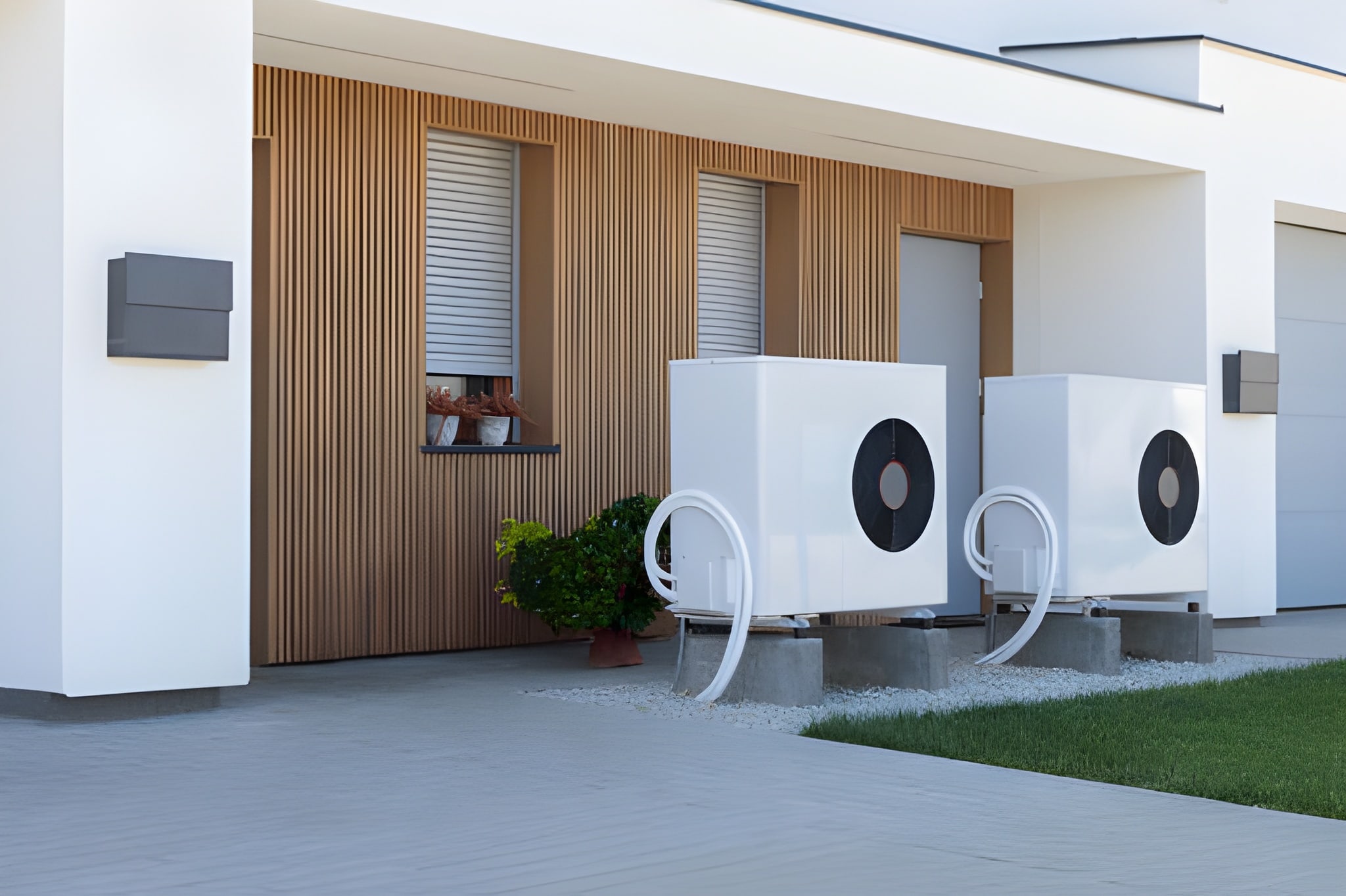
Replacing an aging HVAC system is one of the most effective ways to improve comfort, reduce energy bills, and avoid repeated breakdowns in Wenatchee Heights, WA homes. With hot, dry summers and cold winter nights typical of the Wenatchee Valley, choosing the right replacement system — correctly sized and installed — matters for year round comfort and long term performance
Why homeowners in Wenatchee Heights replace HVAC systems
Common drivers for HVAC replacement include:
- Increasing frequency of repairs and rising service costs.
- Noticeable efficiency loss and sharp jumps in utility bills.
- Uneven heating or cooling across rooms, often caused by undersized equipment or duct issues.
- End of manufacturer life span (typically 12 to 20 years depending on system type).
- Desire to switch to more efficient technologies (heat pumps, high-efficiency furnaces, or ductless mini-splits) to lower operating costs and carbon footprint.
Local climate considerations: Wenatchee Heights sees high cooling demand in summer and occasional cold snaps in winter. Modern heat pumps provide efficient cooling and can now handle much of the heating load in this region, making them an attractive replacement option for many homes.
How technicians evaluate aging equipment and recommend replacement
A professional HVAC replacement begins with a thorough on-site evaluation:
- Visual inspection of outdoor unit, indoor coil, furnace or air handler, and ductwork condition.
- Performance checks: airflow, refrigerant pressure, combustion analysis for gas furnaces, and electrical safety.
- Load calculation (Manual J) to determine the correct system size based on home square footage, insulation, window area, orientation, and occupancy — not just the capacity of the old system.
- Ductwork assessment (leaks, insulation, and sizing) and thermostat compatibility review.
- Cost vs repair analysis: technicians compare remaining useful life, repair frequency and cost, and projected energy savings to recommend repair or full replacement.
Accurate sizing and proper airflow are critical. Oversized units cycle frequently and reduce comfort and efficiency. Undersized units run continuously and may never reach set temperatures.
System sizing and load calculations
Proper system sizing uses industry-standard load calculations:
- Manual J: heating and cooling load to size the equipment.
- Manual D: recommended if duct modifications are needed to size the ductwork.
- Manual S: helps select the manufacturer and model with the required capacity and efficiency specifications.
Technicians will produce a clear recommendation that lists required capacity, efficiency ratings (SEER for cooling, AFUE for furnaces, HSPF for heat pumps), and any ductwork or electrical upgrades needed.
Energy-efficient model options for Wenatchee Heights homes
Modern replacement options commonly recommended:
- Air-source heat pumps: Excellent year round efficiency (both heating and cooling). Cold-climate models maintain performance during Wenatchee Valley cold snaps. Consider variable-speed compressors for better comfort and lower energy use.
- Ductless mini-splits: Ideal for additions, zoned control, or homes without ductwork. High efficiency and precise temperature control.
- High-efficiency furnaces: If you prefer gas heat, modern high-efficiency furnaces (AFUE 95% and up) reduce fuel consumption.
- Hybrid systems: Heat pump combined with a high-efficiency furnace for backup heat on the coldest days.
When applicable, technicians will compare lifecycle energy costs and comfort benefits to help you choose the best system for your home.
Removal, refrigerant handling, and disposal
Replacement includes safe and compliant removal of the old equipment:
- EPA-compliant refrigerant recovery for AC and heat pump units.
- Proper disconnection of gas and electrical connections.
- Responsible disposal or recycling of metal, electronics, and refrigerant-containing components.
- Removal may include cleaning and minor repairs to the installation site, such as sealing conduit or replacing a pad.
Proper disposal protects the environment and avoids fines. Technicians typically document refrigerant recovery and disposal per local and federal regulations.
Rebates, incentives, and financing in Wenatchee Heights
Homeowners may be eligible for a range of incentives that reduce net replacement cost:
- Local utility rebates in the Wenatchee area for switching from electric forced-air heat to heat pumps. Certain Chelan County PUD programs have offered rebates for residential and commercial heat pump conversions; availability and amounts change over time.
- Manufacturer rebates and seasonal incentives on qualifying high-efficiency equipment.
- Potential federal or state tax credits or energy-efficiency incentives depending on current programs.
Financing options may be available that spread payments over time and can improve upfront affordability. During an estimate, technicians will review current local rebates and incentives that could apply to your specific replacement.
Warranty and service coverage
Warranties vary by system and provider:
- Manufacturer limited parts warranties commonly range from 5 to 12 years on parts when products are registered.
- Some equipment offers longer warranties on major components such as compressors or heat exchangers.
- Labor warranties from the installing contractor cover workmanship for a defined period.
- Keeping a regular maintenance plan is often required to maintain full warranty coverage.
Technicians will explain warranty details for selected models and what registration or maintenance steps are necessary to preserve coverage.
Typical timelines for a replacement project
Replacement timelines depend on system complexity:
- On-site evaluation and estimate: 1 visit (often same day or within a week).
- Equipment ordering and permitting: 1 to 3 weeks (may be longer for special-order models or during peak season).
- Installation (like-for-like swap): 1 to 2 days.
- Installation with ductwork modifications, electrical upgrades, or conversion to a different system type: 2 to 4 days or longer.
- Final testing and homeowner orientation: typically completed on installation day.
Project timing can be influenced by parts availability, permitting, and seasonal demand.
Benefits of timely replacement and maintenance tips
Benefits:
- Lower energy bills and improved comfort with even temperatures.
- Reduced risk of breakdowns during peak weather.
- Better indoor air quality with upgraded filtration and humidity control options.
- Increased home value and eligibility for efficiency incentives.
Maintenance tips to extend system life:
- Change filters regularly and use recommended filter MERV ratings.
- Schedule annual heating and cooling tune ups.
- Keep outdoor units clear of debris and plants.
- Seal and insulate ducts where accessible.
FAQs
Q: How do I know if my HVAC system needs replacement or just a repair?
A: If your system is older than 12 years, requires frequent repairs, shows declining efficiency, or cannot maintain comfort, replacement is often the most cost-effective long term solution. A diagnostic evaluation with load calculations will confirm the best path.
Q: Will a new system lower my energy bills immediately?
A: Yes. New high-efficiency equipment and properly sized systems typically reduce monthly energy use. Actual savings depend on current system efficiency, your home envelope, and thermostat habits.
Q: How long does installation take for a typical heat pump replacement?
A: A straightforward like-for-like heat pump replacement usually takes 1 to 2 days. Complex conversions or duct modifications can extend the schedule.
Q: Are there local rebates for heat pump installations in Wenatchee Heights?
A: Local utility programs have offered rebates for switching from electric forced heat to heat pumps. Availability and amounts change, so a current estimate should include the latest local incentive information.
Q: Do I need new ductwork when I replace my HVAC system?
A: Not always. Technicians will inspect ducts for leaks, size, and insulation. Some homes benefit from duct sealing or resizing to achieve proper airflow and efficiency.
Q: What warranties come with a new HVAC system?
A: Warranties commonly include manufacturer parts coverage and limited labor warranties from the installer. Warranty length varies by model and registration, and routine maintenance is typically required to keep warranties valid.