HVAC Service in Cashmere, WA

Scroll down to discover more
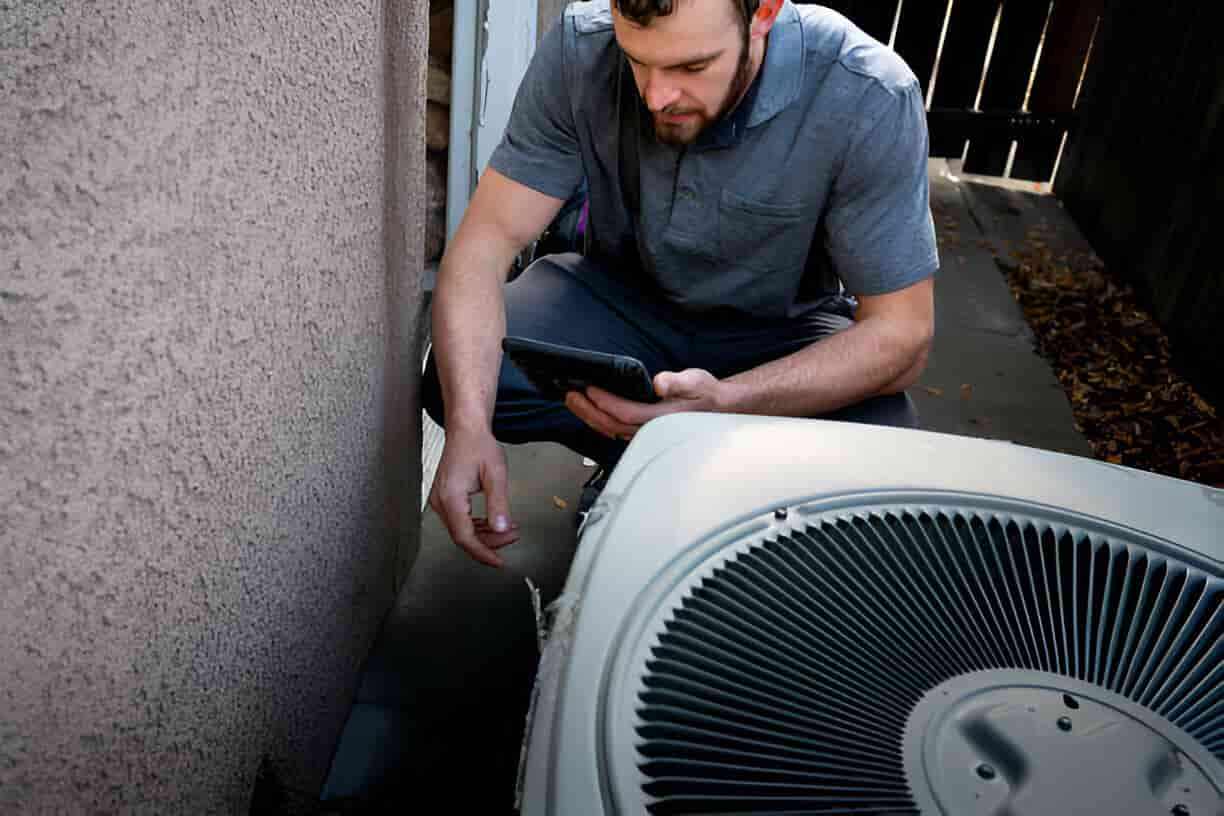
Keeping your home comfortable year-round in Cashmere, WA means preparing for hot, dry summers, cold winter nights, and periodic poor air quality from wildfire smoke. Our HVAC service in Cashmere, WA focuses on diagnostics, routine maintenance, timely repairs, system replacements, and performance optimization so your heating and cooling run reliably, efficiently, and cleanly when you need them most.
Why timely HVAC service matters in Cashmere homes
- Summers in the Wenatchee Valley regularly push AC systems hard; a neglected air conditioner can fail on the hottest day.
- Winters bring cold snaps that expose weak furnaces and heat pumps to excessive cycling and risk of breakdown.
- Seasonal smoke and high dust levels make indoor air quality and filter maintenance essential for homes near orchards and river corridors.
- Regular HVAC service reduces emergency repairs, lowers energy bills, and extends equipment life—especially important in a climate with large seasonal swings.
Common HVAC issues and service types in Cashmere
- Air conditioning not cooling: from low refrigerant to compressor or capacitor failure.
- Uneven heating or cooling: duct leaks, improper system sizing, or failing blower motors.
- Frequent cycling or short-cycling: thermostat, refrigerant charge, or airflow problems.
- Noisy operation: worn bearings, loose components, or failing motors.
- Poor indoor air quality: clogged filters, dirty coils, or inadequate ventilation during smoke season.
- Pilot or ignition problems (furnaces): stuck igniters, control board faults, or blocked vents.Services offered:
- Diagnostics and system assessments
- Seasonal tune-ups and preventive maintenance
- Emergency and non-emergency repairs
- Full system replacement and equipment upgrades
- System optimization (zoning, controls, duct sealing)
- Indoor air quality evaluations and solutions
Diagnostic and service process — what to expect
- Initial intake: We’ll gather symptoms, system age, and recent performance history to prioritize urgency.
- On-site inspection: A technician performs a visual and functional inspection—checking filters, electrical connections, refrigerant pressures, airflow, thermostats, and safety devices.
- Testing and measurement: Standard diagnostic checks include amperage draw, static pressure, temperature split across the coil, and combustion safety for fuel-fired equipment.
- Written findings: You receive a clear summary of issues, recommended repairs or options, and an estimate. Recommendations explain short-term fixes versus long-term solutions so you can choose what fits your home and budget.
- Repair or service: With approval, repairs are completed using OEM-equivalent parts when available, and systems are tested again to confirm proper operation.
Repairs, replacements, and when to replace equipment
- Typical repairs: capacitor and contactor replacement, refrigerant leak repair and recharge, blower motor or fan replacement, igniter or control board repair, duct sealing and minor sheet metal work.
- Replacement considerations: age (systems older than 12–15 years), recurring breakdowns, loss of refrigerant type (R22 service limitations), or when replacement offers significant energy savings and improved comfort.
- Replacement options: modern high-efficiency air conditioners, heat pumps (air-source and mini-split), furnace upgrades, and matched systems for optimal performance.
- System removal and installation: includes safe disposal of old equipment, permit coordination if required, load calculation and proper sizing, and commissioning tests to ensure efficiency and comfort targets are met.
System optimization and indoor air quality for Cashmere homes
- Zoning and programmable or smart thermostats to balance temperatures between sun-exposed rooms and cooler spaces.
- Airflow balancing and duct sealing to eliminate hot/cold spots and improve system efficiency.
- Filtration upgrades and HEPA-compatible options plus UV or electronic air cleaners to reduce smoke, pollen, and orchard dust impacts.
- Heat pump optimization for homes shifting from electric forced heat—eligible homeowners may find local incentives or rebates through utility programs.
Service agreements and maintenance plans
Maintenance plans typically include:
- Seasonal tune-ups (spring for AC, fall for heating)
- Priority scheduling during peak seasons
- Discounted diagnostic or labor rates for covered repairs
- Detailed inspection reports and maintenance records to preserve equipment warranties
Benefits of a plan:
- Fewer unexpected breakdowns and lower total lifecycle cost
- Maintained efficiency and sustained comfort levels
- Documented upkeep that supports warranty and resale value
Typical response times and scheduling options
- Emergency situations (no cooling in extreme heat, unsafe heating conditions) are triaged for same-day or next-available dispatch depending on season and technician availability.
- Non-emergency service and routine maintenance appointments are commonly scheduled within a few business days.
- You can schedule HVAC service online or by phone; booking systems usually let you choose preferred appointment windows and describe symptoms for faster triage.
Brands supported
We work with and service most major residential HVAC manufacturers and systems commonly found in the region, including:
- Daikin, Mitsubishi Electric, Trane, Carrier, Lennox, Bryant, York, Goodman, Rheem, and other popular heat pump and furnace brands, plus most mini-split manufacturers.
- Technicians are trained to service OEM equipment and compatible aftermarket components while following manufacturer guidelines to preserve warranty coverage.
Seasonal tips for Cashmere homeowners
- Spring: Schedule an AC tune-up before the first heat wave; clean outdoor unit area of debris and irrigation overspray.
- Summer: Replace filters monthly during heavy use and wildfire smoke events; consider a higher-MERV filter only if your system supports it without restricting airflow.
- Fall: Have furnaces and heat pumps inspected and cleaned to ensure safe, efficient startup.
- Winter: Keep vents and intake areas clear of snow or debris; monitor for unusual odors or sounds and schedule prompt diagnostics.
FAQs
Q: How often should I schedule HVAC maintenance?
A: Most systems benefit from professional tune-ups once a year for heating and once a year for cooling; homes with heavy particulates or high-use systems may need more frequent checks.
Q: What indicates I need a system replacement instead of repair?
A: Consider replacement if your system is older than 12–15 years, needs frequent major repairs, uses phased-out refrigerant, or cannot meet comfort and efficiency goals despite repairs.
Q: Can you service all brands of HVAC equipment?
A: Technicians are trained to service most major brands and models; compatibility of replacement parts and warranty coverage are evaluated during the diagnostic.
Q: Will regular maintenance lower my energy bills?
A: Yes. Proper cleaning, correct refrigerant charge, calibrated controls, and sealed ducts reduce wasted energy and improve system efficiency.
Q: What should I do during wildfire smoke events to protect indoor air?
A: Increase filtration, run the system on recirculate if available, replace filters more often, and consider portable or whole-house filtration upgrades for severe or prolonged smoke.
Q: Are there local rebates for installing heat pumps in Cashmere?
A: Utility and local incentive programs frequently change; ask your service provider to check current local rebate and incentive options when you evaluate replacements.