HVAC Service in East Wenatchee, WA

Scroll down to discover more
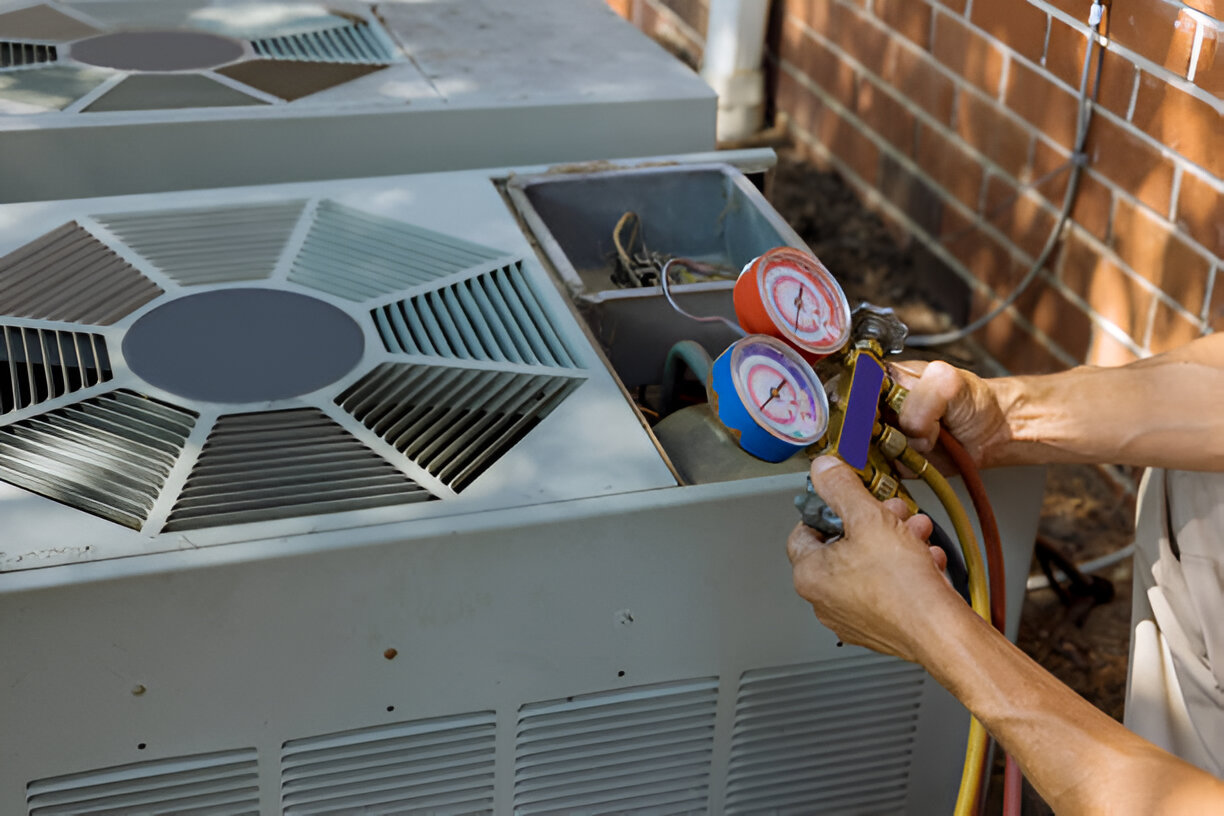
Keeping your home comfortable year-round in East Wenatchee, WA means dealing with hot, dry summers and chilly winter nights. Reliable HVAC service is essential — not just for comfort, but for indoor air quality, energy efficiency, and system longevity. Whether you need diagnostics, routine maintenance, repairs, or a full system installation.
Why timely HVAC service matters in East Wenatchee
East Wenatchee homes face wide temperature swings and a dry climate that increases dust and airborne particles. These conditions accelerate wear on filters, coils, and ductwork. Seasonal extremes also push HVAC equipment harder, increasing the risk of breakdowns during peak cooling or heating demand. Prompt diagnostics and routine tune-ups reduce energy bills, prevent emergency failures, and improve indoor comfort and air quality.
Common HVAC services provided
Our HVAC services cover the full lifecycle of heating and cooling equipment for East Wenatchee homes, including:
- Diagnostics and troubleshooting for furnaces, central air, heat pumps, and mini-splits
- Routine maintenance and seasonal tune-ups (fall furnace and spring AC checks)
- System repairs: electrical, controls, refrigerant, compressors, burners, and more
- Installations and equipment replacements for furnaces, air conditioners, heat pumps, and ductless mini-splits
- Duct inspections, cleaning, sealing, and balancing
- Thermostat upgrades, zoning, and controls
- Indoor air quality solutions: filtration, humidification, ventilation
Brands commonly supported: Daikin, Trane, Carrier, Lennox, Rheem, Goodman, Mitsubishi and other major manufacturers. Technicians are trained to work on both modern high-efficiency systems and older equipment still in service in many East Wenatchee homes.
Typical problems we diagnose in East Wenatchee homes
- Weak or inconsistent cooling during hot summer days: often caused by low refrigerant, blocked coils, or failing compressors.
- Furnace not igniting or short cycling in winter: common causes include dirty burners, faulty ignition systems, or restricted airflow.
- High energy bills despite normal use: frequently due to poor thermostat calibration, dirty filters, duct leaks, or aging equipment with declining efficiency.
- Uneven temperature between rooms: often a result of duct leaks, poor insulation, or missing zoning controls.
- Noisy operation or unusual smells: noisy motors, failing bearings, or electrical faults can create sounds; burning or musty smells point to electrical issues or mold in ducts/evaporator coils.
- Short cycling or frequent on/off behavior in heat pumps during shoulder seasons.
Diagnostic process — what to expect
Professional HVAC diagnostics follow a logical, safety-first approach to quickly identify root causes:
- System history and symptoms: technician documents what you’re experiencing and any recent changes.
- Visual inspection: equipment, electrical connections, filters, and duct openings are checked for obvious signs of damage or wear.
- Operational testing: system is run to observe performance, airflow, temperature differentials, and cycling behavior.
- Component testing: electrical components, capacitors, motors, thermostats and sensors are tested with diagnostic tools.
- Refrigerant and pressure checks (for cooling systems): ensures proper refrigerant charge and identifies leaks.
- Report and options: clear explanation of the problem, repair vs replacement considerations, and efficiency or safety implications.
Diagnostics focus on solving the immediate issue while evaluating longer-term risks such as imminent component failure or inefficient operation that justifies replacement.
Repairs and solutions explained
- Refrigerant leaks: locate and repair leak, evacuate and recharge system to factory-spec levels, and verify performance. Small leaks left unaddressed lead to compressor damage.
- Compressor or condenser failures: can require component replacement or full outdoor unit replacement depending on age and efficiency.
- Furnace repairs: replace ignition modules, flame sensors, gas valves, heat exchangers (when cracked or unsafe), and ensure proper venting.
- Electrical and control repairs: replace capacitors, relays, contactors, and control boards to restore reliable operation.
- Duct repairs and sealing: improved airflow and reduced energy loss through targeted sealing, insulation, or rebalancing.
- Mini-split service: refrigerant, connection checks, line set insulation, and indoor unit cleaning to maintain efficiency of ductless systems.
- Thermostat and zoning upgrades: installing smart or programmable thermostats and zoning dampers to solve uneven heating/cooling and reduce energy use.
When repairs are made, technicians verify system operation under load, measure temperature differences, and confirm safe electrical and gas operation.
Installations and replacements
East Wenatchee homeowners often choose upgrades for better efficiency, comfort, and eligibility for local utility incentives. Installation options include:
- High-efficiency furnaces with variable-speed blowers for quieter, more consistent heat
- Air conditioner replacements sized to your home, paired with matched outdoor units and properly charged refrigerant
- Heat pump installations (air-source and ductless) that provide both heating and cooling with high seasonal efficiency
- Ductless mini-splits for additions, garages, or homes without ductwork for room-by-room control
- Zoning systems and smart thermostats to optimize comfort and reduce wasted energy
Proper sizing, ductwork assessment, and correct refrigerant charge are critical during installation to ensure long-term performance and warranty coverage.
Maintenance plans and long-term benefits
Regular maintenance prevents most breakdowns and extends equipment life. Typical maintenance plan features for East Wenatchee homes include:
- Seasonal tune-ups for heating and cooling
- Filter inspection and replacement guidance
- Coil cleaning and airflow verification
- Refrigerant and pressure checks
- Electrical safety checks and calibration
- Priority service and diagnostic discounts as part of the plan
Benefits of maintenance: fewer emergency repairs, improved energy efficiency, longer equipment lifespan, maintained manufacturer warranties, and better indoor air quality — all especially valuable given the Wenatchee Valley’s dusty, dry conditions.
What indicates it’s time to repair or replace
Consider replacement when:
- Equipment is near or past expected lifespan (furnaces ~15–20 years, AC units ~10–15 years, heat pumps 10–15 years)
- Repeated expensive repairs are needed
- Home comfort and efficiency goals are not met even after repairs
- Significant drop in performance or safety concerns are identified
Timely replacement can yield lower monthly energy use and more reliable comfort during extreme East Wenatchee temperatures.
FAQs
Q: How often should I schedule HVAC maintenance in East Wenatchee?
A: Most homes benefit from two seasonal tune-ups per year — an AC check in spring and a furnace/heat pump check in fall. Homes with pets, high dust, or heavy use may need filter checks more frequently.
Q: What are the signs my heat pump needs service?
A: Signs include reduced heating/cooling capacity, louder than normal operation, frequent short cycling, increasing energy bills, or ice buildup on outdoor units during winter.
Q: Do you service ductless mini-split systems?
A: Yes. Service includes indoor unit cleaning, line set inspection, refrigerant checks, and ensuring proper operation of inverter compressors and controls.
Q: Can maintenance extend my HVAC system’s life?
A: Regular maintenance improves efficiency, reduces wear, catches small issues before they become major failures, and can extend equipment life by several years.
Q: Are there local rebates or incentives for upgrading to a heat pump in this area?
A: Homeowners in the Wenatchee Valley may be eligible for utility or state incentives when upgrading to high-efficiency heat pumps; check local utility programs and eligibility requirements for current options.