
HVAC Service in Monitor, WA

Scroll down to discover more
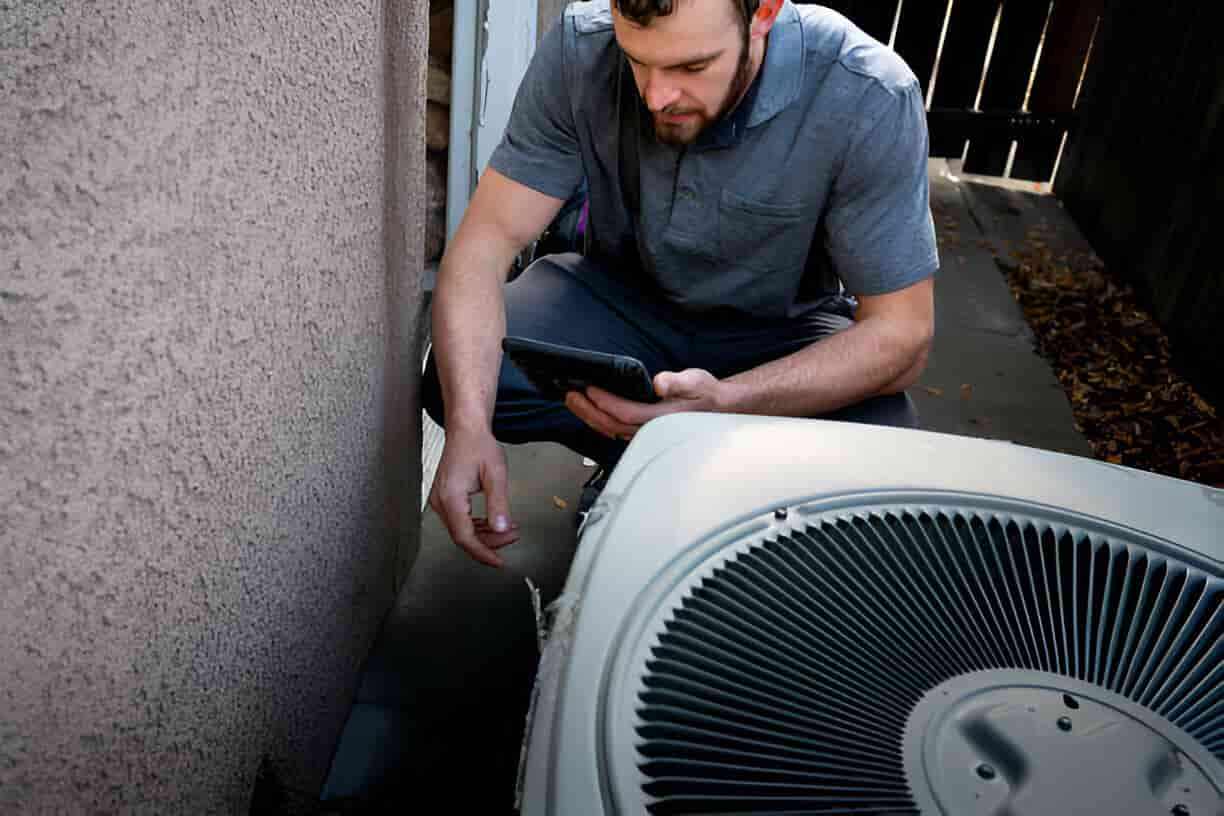
Keeping your home comfortable year-round in Monitor, WA means having HVAC systems that handle hot, dry summers and chilly inland winters while also protecting indoor air quality during wildfire season. Our HVAC Service in Monitor, WA explains the full range of inspections, diagnostics, installations, repairs, and routine maintenance available for furnaces, air conditioners, heat pumps, and ductless systems so you can make an informed decision when your system needs attention.
Why timely HVAC service matters in Monitor, WA
Monitor homes face large temperature swings, high summer cooling loads, dusty irrigation seasons, and occasional smoke that strains filters and indoor air systems. Neglecting routine service increases energy bills, shortens equipment life, and raises the risk of mid-season breakdowns. Addressing issues early preserves comfort, reduces operating costs, and improves indoor air quality.
Services we provide
- System inspections and tune-ups for furnaces, central air conditioners, heat pumps, and ductless mini-splits
- Full diagnostics and troubleshooting for performance, airflow, refrigerant, electrical, and control issues
- Repair services including component replacement, refrigerant charging, electrical repairs, and duct sealing
- New system sizing and professional installation (furnace, central AC, heat pump, ductless systems)
- Replacement and retrofit for inefficient or failing equipment
- Indoor air quality solutions: filtration upgrades, UV lights, humidification/dehumidification
- Seasonal maintenance plans to optimize efficiency and prevent failures
Common HVAC issues in Monitor, WA homes
- Insufficient cooling on hot valley afternoons due to low refrigerant levels, dirty coils, or undersized systems
- Uneven heating at night from duct leaks, failing thermostats, or aging furnaces
- Frequent cycling from clogged filters, dirty condensers, or poor airflow
- Reduced air quality during wildfire season from inadequate filtration
- Heat pump performance drops in cold snaps when systems are undersized or need refrigerant/electrical attention
Diagnostic and service process
- Initial assessment: We start with a focused inspection to document symptoms, check thermostat settings, and note any obvious safety concerns.
- System diagnostics: Technicians measure temperatures, pressures, electrical draws, airflow, and control responses to isolate the root cause.
- Findings review: You receive a clear, written summary of issues, options, expected timelines, and recommended next steps.
- Repair or replacement: Work is performed using industry-standard parts and procedures. For replacements, systems are properly sized and installed to meet efficiency and comfort goals.
- Post-service verification: After service we retest system operation, confirm setpoints, and advise on simple maintenance you can do at home.
Typical response times and service tiers
- Emergency repair: priority same-day dispatches for safety or no-heat/no-cool situations
- Priority scheduling: next-business-day availability for urgent but non-emergency failures
- Standard appointments: scheduled maintenance and routine inspections within a few business days
- Response windows vary by season—summer and winter are busiest—so early scheduling for tune-ups is recommended.
Brands supported
We work with a broad range of manufacturers to service and install:
- Daikin, Mitsubishi Electric, Fujitsu (ductless and heat pumps)
- Trane, Carrier, Lennox, Rheem, Goodman, American Standard (furnaces and central AC)
- Common OEM parts and compatible aftermarket components for older or legacy systems
What influences pricing and estimates
Estimates are tailored and depend on:
- Type of service: diagnostic, repair, retrofit, or full replacement
- Equipment age and model complexity
- Scope of repairs: simple part swap versus major component or refrigerant system work
- Accessibility: attic, crawlspace, or rooftop installations increase labor time
- Required permits or code upgrades for replacements
- You should expect a transparent, itemized written estimate that explains labor, parts, and warranty terms before work begins.
Installation standards and efficiency considerations
When replacing equipment, correct sizing and proper ductwork evaluation are critical. Oversized units cycle inefficiently; undersized units can never deliver comfort on the hottest Monitor days. Installations follow manufacturer specifications, local code, and best practices for refrigerant charging, airflow matching, and proper condensate management. We document performance and provide guidance on thermostats and zoning for improved comfort and savings.
Routine maintenance that prevents breakdowns
- Furnace tune-up: inspect burners, heat exchanger, ignition system, and safety controls
- AC/heat pump tune-up: clean coils, inspect contactors, test refrigerant, verify airflow
- Duct inspection and sealing: reduces wasted energy and balances airflow
- Filter replacement and IAQ checks: especially important during wildfire season and irrigation months
- Regular maintenance extends equipment life, improves efficiency, and reduces peak-season emergency calls.
Local considerations for Monitor, WA
- Hot, dry summers increase the importance of properly charged AC and well-maintained condensers.
- Cold nights and valley temperature swings make reliable furnace and heat pump performance essential.
- Wildfire smoke and irrigation dust require higher-efficiency filtration and more frequent filter changes to protect indoor air and HVAC components.
- Local rebates and incentive programs may be available for heat pump conversions; check current regional utility programs to evaluate savings when upgrading.
Financing and warranty expectations
Installations typically come with manufacturer and workmanship warranties. Financing and payment options are commonly offered to spread the cost of replacements or major repairs; exact programs and terms will be provided with your written estimate. Warranties for parts and labor vary by equipment and are documented in the estimate.
How appointments and estimates are handled
- A diagnostic visit will identify the issue and produce a written estimate with options and timelines.
- For replacements, a comprehensive on-site assessment is used to recommend properly sized equipment, system layout, and necessary upgrades.
- Scheduling options usually include emergency, priority, and standard appointment types with defined service windows to accommodate seasonal demand.
Benefits of professional HVAC service in Monitor, WA
- Greater comfort across extreme seasonal temperatures
- Lower energy costs through proper tuning and efficient equipment
- Reduced risk of mid-season failures during peak cooling or heating demand
- Improved indoor air quality during wildfire and dust seasons
- Documentation for warranty compliance and potential rebate qualification
Maintenance tips for homeowners
- Replace or clean air filters every 1 to 3 months based on use and local air quality
- Keep outdoor condenser units clear of debris and vegetation
- Set thermostats to conservative but comfortable settings to reduce cycling
- Schedule annual inspections before cooling season and before heating season
FAQs
Q: How often should I have my HVAC system inspected?
A: For most Monitor homes, annual inspections are recommended—one before cooling season for AC and heat pumps, and one before heating season for furnaces. Homes with heavy dust, pets, or wildfire smoke may benefit from more frequent filter checks.
Q: Will a heat pump work through Monitor winters?
A: Modern heat pumps are effective in most of Monitor’s climate when properly sized and installed. Cold-climate heat pumps maintain efficiency at lower temperatures and are a strong option combined with proper insulation and backup strategies when necessary.
Q: How long does a diagnostic visit usually take?
A: A typical diagnostic visit runs 30 to 90 minutes depending on system complexity. The technician will perform tests, document findings, and provide a written estimate of recommended repairs or replacement options.
Q: What should I expect in a written estimate?
A: Estimates should list parts, labor, any required permits, projected timelines, warranty terms, and available financing options. They should explain why the work is recommended and alternatives when applicable.
Q: Are there local rebates for switching to heat pumps?
A: Residents in the region may be eligible for local utility or PUD incentives for heat pump conversions. Eligibility and amounts vary by program and change over time, so confirm current offerings during the estimate process.