HVAC Service in Orondo, WA

Scroll down to discover more
Keeping your home comfortable year-round in Orondo, WA means having HVAC systems that are sized, installed, and maintained for the local climate. Orondo’s hot, dry summers and cold winter nights — plus seasonal dust, orchard pollen, and occasional wildfire smoke — put specific demands on air conditioning, heating, and indoor air quality systems. Our HVAC service in Orondo, WA explains the full range of solutions available for air conditioning, heating, heat pumps, mini-splits, and whole-home comfort, and lays out what to expect from diagnostics, repairs, installations, and routine maintenance
Why proper HVAC matters in Orondo homes
- Summers in the Wenatchee Valley can push cooling systems hard; undersized or poorly maintained AC leads to uneven cooling and higher energy bills.
- Winters bring cold snaps that test furnaces and heat pumps; a missed maintenance visit can mean unreliable heating when you need it most.
- Local agricultural dust, pollen, and wildfire smoke increase filter loading and reduce indoor air quality, making filtration and ventilation more critical.
- Rebates and incentives often available in Chelan County for efficient heat pump upgrades can meaningfully reduce long-term operating costs.
Common HVAC problems in Orondo, WA
- Air conditioning not keeping up on hot afternoons
- Heat pump short-cycling or icing during freeze-thaw cycles
- Uneven heating or cooling between rooms (often duct or zoning issues)
- Strange noises from furnaces, compressors, or blowers
- Frequent filter clogging and poor indoor air quality during smoke season
- Refrigerant leaks, electrical faults, or thermostat calibration issues
Full range of HVAC services offered
- Air conditioning: central AC repair, replacement, seasonal tune-ups, and emergency AC repair to restore reliable cooling.
- Heating: furnace inspections, repairs, replacements, and tune-ups to ensure safe, efficient warmth.
- Heat pumps: installation, replacement, and winter performance optimization for high-efficiency year-round comfort.
- Mini-split and ductless systems: sizing, multi-zone installation, and retrofit solutions for homes without ductwork or for targeted room comfort.
- Indoor air quality: high-efficiency filtration, UV germicidal options, whole-home ventilation, and humidity control tailored to local airborne contaminants.
- Maintenance plans: scheduled seasonal visits to reduce breakdown risk, extend system life, and maintain manufacturer warranties.
Diagnostic process — what a professional visit looks like
- Pre-visit intake: technician reviews system history, model numbers, symptoms, and any recent changes in performance.
- On-site inspection and diagnostics: visual inspection, airflow measurements, refrigerant checks, electrical testing, and thermostat verification.
- Findings and explanation: clear description of root causes, safety concerns, and prioritized repair vs replacement options.
- Written estimate and timeline: transparent cost breakdown for parts and labor, estimated completion timing, and details on warranties and manufacturer coverage.
- Execution and verification: repairs or installations completed to code, followed by system performance testing and homeowner walkthrough of operation and maintenance tips.
Repairs and installations — what sets a reliable service apart
- Accurate sizing and load calculations for replacement equipment to prevent short cycling and energy waste.
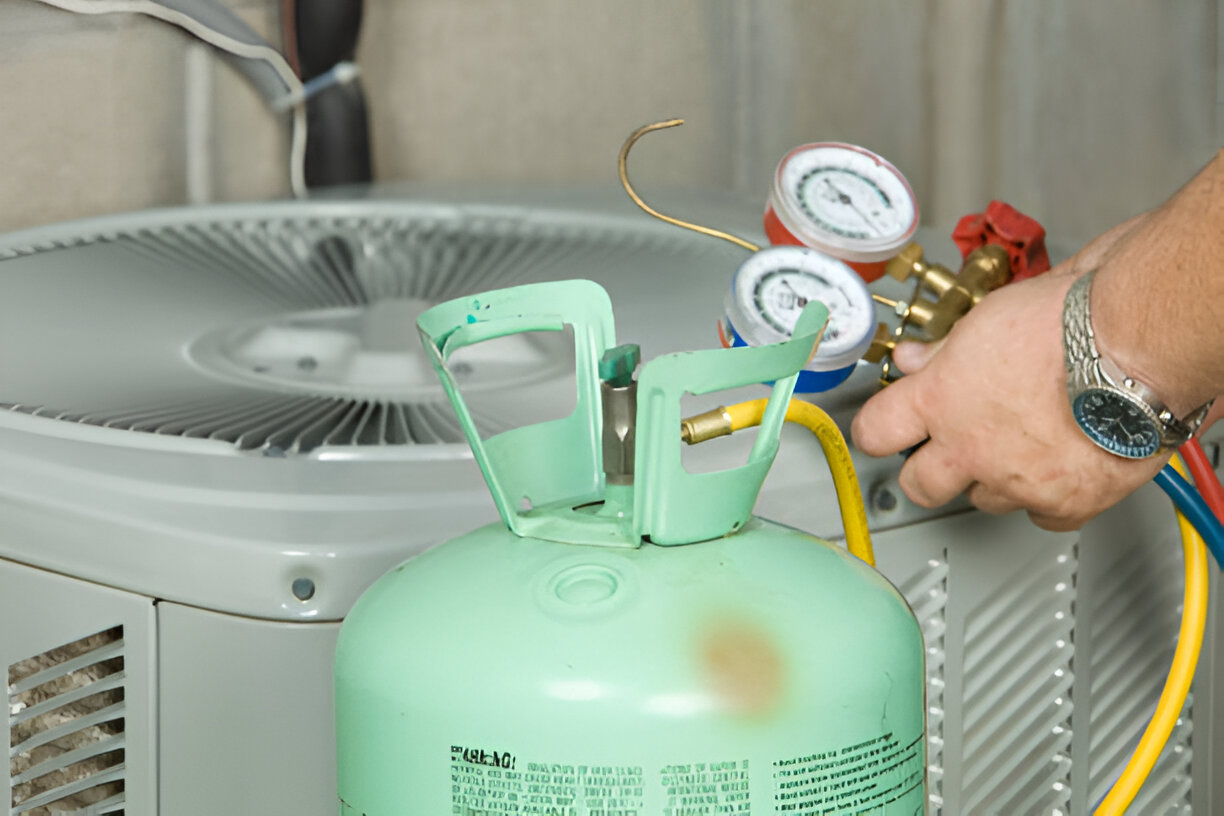
- Proper refrigerant handling and leak detection for AC and heat pump longevity and compliance.
- Certified installation practices for mini-splits and heat pumps to preserve manufacturer warranties and achieve rated efficiencies.
- Duct evaluation and sealing to fix hot/cold spots and improve system efficiency.
- Attention to airflow, condensate drainage, and electrical safety to prevent recurring issues.
- Post-install commissioning that verifies setpoints, zoning, and controls are optimized for your home and family’s habits.
Brand and technical expertise
Technicians servicing Orondo homes are trained on major manufacturers and follow industry best practices for installation and repairs. We work with leading brands and honor manufacturer warranty requirements by performing certified installation and maintenance. Ongoing training on modern heat pump technology, variable-speed compressors, and smart thermostats ensures reliable, efficient solutions for both older systems and high-efficiency upgrades.
Service guarantees and quality assurances
- Workmanship follows industry-standard guarantees and is backed by documented service records.
- Installed equipment is set up to maintain manufacturer warranty eligibility.
- Safety checks are performed on every heating system service to ensure combustion integrity and electrical safety.
- Clear documentation is provided after each visit detailing parts used, work completed, and recommended follow-up.
Scheduling, routine visits, and what to expect
Scheduling typically begins with an assessment of symptoms and system information, followed by a mutually agreed appointment window. Routine maintenance visits focus on filter replacement guidance, coil and blower cleaning, refrigerant level checks, thermostat calibration, and overall system health evaluation. For one-time repairs or replacements, expect a diagnostic visit, a written estimate, and a scheduled return visit for the repair or installation if parts are required.
Before a service visit, prepare by providing access to equipment (clear around the outdoor unit and furnace/air handler), noting any unusual sounds or timeline of problems, and checking that thermostats are set to the affected mode. After a service visit, technicians will explain recommended next steps, maintenance intervals, and any seasonal actions you can take to improve comfort and efficiency.
Maintenance advice specific to Orondo residents
- Replace or inspect filters more frequently during dust, pollen, and smoke seasons.
- Schedule HVAC tune-ups in spring for cooling and in early fall for heating to ensure peak seasonal performance.
- Consider upgrading to a high-efficiency heat pump if you currently rely on older electric heat—local incentives may be available.
- Use zoning or mini-splits for additions, garages, or rooms with persistent temperature differences to improve comfort without oversizing central equipment.
- Improve ventilation and filtration during wildfire smoke events with high-MERV filters and controlled fresh-air intake strategies.
FAQ
Q: How often should I have my HVAC system serviced in Orondo, WA?
A: Have cooling systems inspected annually in spring and heating systems inspected annually in fall; homes with heavy dust or smoke exposure may benefit from biannual checks and more frequent filter changes.
Q: Are heat pumps a good option for Orondo’s climate?
A: Yes. Modern heat pumps handle both cooling and heating efficiently in the Wenatchee Valley climate and can qualify for local incentives when replacing older electric-only heating systems.
Q: What signs indicate I need an urgent HVAC repair?
A: Loss of cooling or heating during extreme temperatures, unusual smells (burning or rotten eggs), persistent cycling, water leaks, or tripped breakers are reasons to request immediate service.
Q: Can mini-split systems be used in older Orondo homes without ductwork?
A: Yes. Ductless mini-split heat pumps are ideal for retrofits, additions, or rooms needing independent temperature control and are more efficient than window units.
Q: How do I know if I should repair or replace my system?
A: Consider system age, frequency of repairs, efficiency, and refrigerant type. Systems older than 10-15 years or requiring repeated major repairs may be more cost-effective to replace with a modern, efficient unit.
Q: What should I do during wildfire smoke to protect indoor air quality?
A: Increase filtration efficiency with high-quality filters, minimize fresh-air intake when smoke is heavy, run HVAC fans on recirculate with caution, and consult IAQ professionals for whole-home filtration upgrades if smoke is recurrent.