HVAC Service in Palisades, WA

Scroll down to discover more
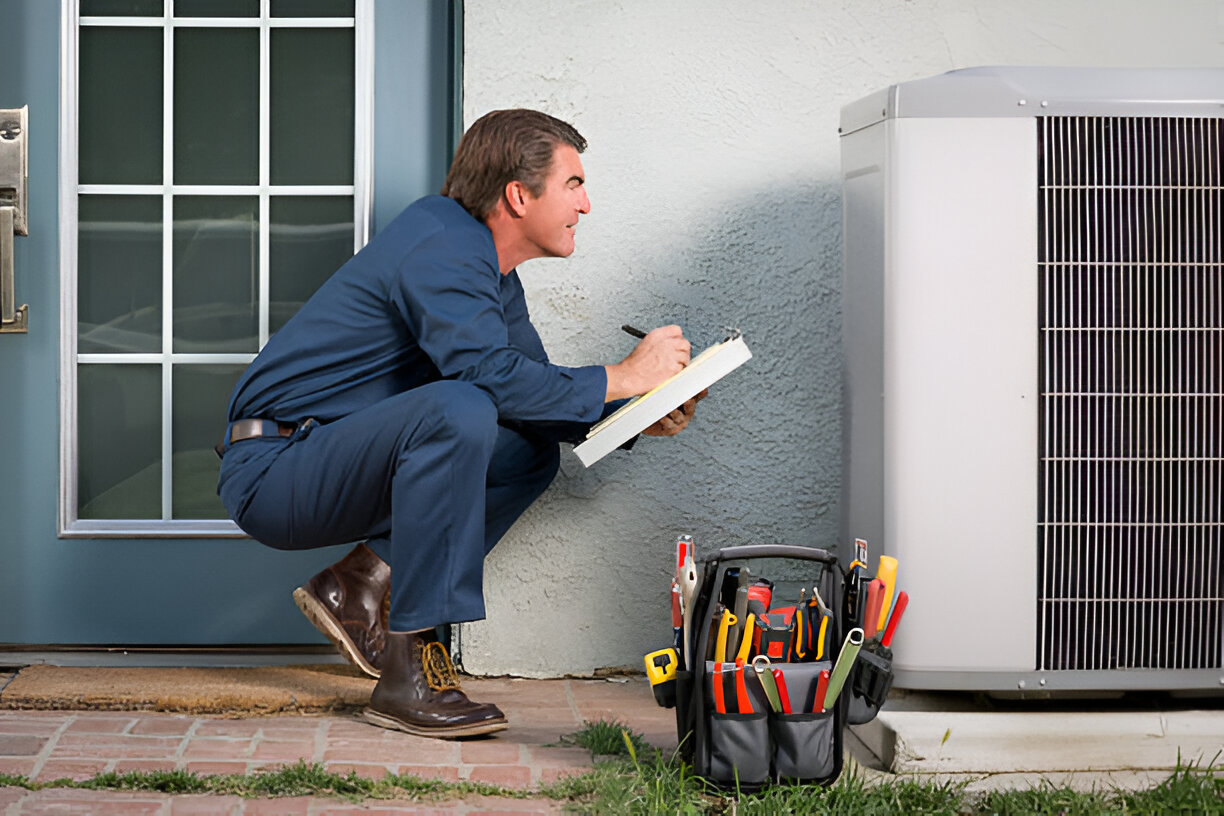
Keeping your home comfortable year-round in Palisades, WA means managing HVAC systems that face hot, dry summers, cold snaps in winter, and occasional poor air quality from regional smoke. Professional HVAC service in Palisades focuses on diagnostics, routine tune-ups, filter care, system optimization, and targeted indoor comfort solutions like heat pumps, mini-splits, and central air
Why regular HVAC service matters in Palisades, WA
Palisades homes experience wide temperature swings and seasonal wildfire smoke. Those conditions put extra stress on HVAC components and filters, increasing the need for timely maintenance. Regular service:
- Preserves efficiency and lowers energy waste during long cooling or heating runs
- Reduces the risk of mid-season breakdowns during heat waves or cold snaps
- Improves indoor air quality by addressing dust, pollen, and smoke particles
- Extends equipment life and helps identify when replacement is more cost-effective than repair
Common HVAC issues in Palisades, WA
Residents commonly request service for the following problems. Each is influenced by local climate and housing stock.
- Poor cooling during hot spells — often caused by low refrigerant, clogged coils, or dirty filters
- Uneven temperatures — zoning issues, duct leaks, or improperly sized equipment
- Short cycling or frequent on/off cycles — thermostat problems, capacitor or control failure, or oversized equipment
- Weak airflow — blocked filters, fan motor wear, or duct obstructions
- High energy bills — inefficient or aging systems, thermostat misconfiguration, or lack of routine maintenance
- Indoor air quality complaints — clogged filters, insufficient ventilation, or smoke season impacts
- Heat pump performance decline — worn compressors, low refrigerant, or reversing valve faults in cold snaps
Types of HVAC services offered
Technicians typically provide a mix of routine and one-off services tailored to the system and home layout.
- Diagnostic service calls and system troubleshooting
- Seasonal tune-ups and preventive maintenance for air conditioners, furnaces, and heat pumps
- Filter inspection, replacement guidance, and MERV recommendations for local conditions
- System optimization: refrigerant charge check, airflow balancing, thermostat calibration, and duct sealing assessment
- Heat pump and mini-split service: leak checks, line set inspections, and inverter system diagnostics
- Central air repairs: compressor, capacitor, contactor, blower motor, and control board work
- One-time repairs for emergency failures and component replacement
- Indoor air quality solutions: upgraded filtration, UV lights, ventilation improvement, and humidity control
How diagnostics and service visits typically work
A standard home visit follows a structured process to identify problems and propose solutions.
- Intake and system history: The technician reviews symptoms and past service history to narrow likely causes.
- Visual inspection: Equipment, electrical components, ductwork, and accessible coils are checked for obvious issues.
- Performance testing: Temperatures, pressures, electrical draws, and airflow measurements confirm system operation.
- Filter and air quality check: Filters are inspected for loading from dust or smoke and recommendations made for MERV levels or replacement cadence.
- Findings and options: Technicians explain root causes, present repair options versus longer-term upgrades, and outline estimated time to complete work.
- Work authorization and follow-up: If repairs are authorized, parts and labor are scheduled; for major projects, a detailed estimate is provided.
During smoke-heavy months, expect the filter and coil inspection to be a larger part of the diagnostic since smoke can accelerate fouling and block airflow.
What a tune-up includes and why it matters
A thorough seasonal tune-up protects performance and avoids costly mid-season failures. Typical tune-up tasks:
- Replace or clean standard filters and inspect high-efficiency filters
- Clean and inspect outdoor condenser coils and indoor evaporator coils where accessible
- Tighten electrical connections and test capacitors, contactors, and relays
- Inspect burners, heat exchangers, and ignition systems for heating equipment
- Measure refrigerant charge and test for leaks if indicated
- Lubricate moving parts, test blower motor, and verify proper airflow
- Calibrate thermostats and review setpoints for energy-efficient operation
Routine maintenance reduces energy use and keeps warranties intact for many manufacturers.
Repair and optimization approaches
Technicians aim to repair efficiently while optimizing long-term performance:
- Component replacement vs repair: Small electrical parts and sensors are often replaced; compressors or coils are evaluated for repairability versus replacement based on age and efficiency.
- System optimization: Ensuring correct refrigerant charge, sealing duct leaks, and balancing airflow can restore capacity without full replacement.
- Retrofits and upgrades: Adding variable-speed blowers, smart thermostats, or zoning controls improves comfort control and can reduce operating costs.
- Mini-split and ductless solutions: For rooms without ductwork or for targeted comfort, mini-splits deliver efficient heating and cooling with minimal disruption.
What to expect during a service call (logistics and timeline)
A typical diagnostic visit lasts 45 to 90 minutes depending on system complexity. Expect:
- An initial walk-through and symptom review
- A clear explanation of tests performed and findings
- A written estimate for recommended repairs or options for upgrades when more extensive work is required
- If repairs are minor and parts are on the truck, many fixes can be completed the same day; major replacements or backordered parts will require scheduling a follow-up appointment
Technicians will document safety issues (gas leaks, electrical hazards, carbon monoxide risk) and prioritize them for immediate action if found.
Seasonal maintenance schedule recommendations
- Spring: Air conditioner tune-up, coil cleaning, refrigerant check — ideal before summer heat
- Early fall: Furnace or heat pump heating check, burner inspection, and filter review — before heating season
- After wildfire season: Replace filters and inspect coils and ducts for smoke residue
- Quarterly: Check and replace filters more frequently during heavy use or smoke events
Long-term benefits of regular HVAC service
Consistent maintenance improves reliability, reduces emergency repairs, preserves indoor air quality, and helps your system run more efficiently in Palisades’ climate. Servicing heat pumps and mini-splits preserves performance and can maximize eligibility for local energy rebate programs when upgrades are completed.
FAQs
Q: How often should I schedule HVAC maintenance in Palisades, WA?
A: At minimum once a year for heating and once a year for cooling; twice-yearly visits are recommended in Palisades because of the region’s long cooling season and occasional smoke events that load filters faster.
Q: Will a technician check indoor air quality issues like smoke and odors?
A: Yes. Technicians inspect filters, coils, and ductwork, and can recommend higher-MERV filters, ventilation upgrades, or air-cleaning options tailored to smoke season and home needs.
Q: What happens if a repair needs replacement parts?
A: The technician will provide a clear estimate and timeline. Minor parts are often stocked on service vehicles; major components may require scheduling a follow-up appointment after parts arrive.
Q: Can you service heat pumps and mini-split systems?
A: Yes. Modern heat pumps and ductless mini-splits require specialized diagnostics and refrigerant handling, both of which are standard parts of comprehensive HVAC service.
Q: How can I tell if my system needs replacement rather than repair?
A: Age, recurring failures, declining efficiency, and repair costs approaching the value of a new system are indicators. A technician will present options and an objective comparison to help you decide.