HVAC Service in Quincy, WA

Scroll down to discover more
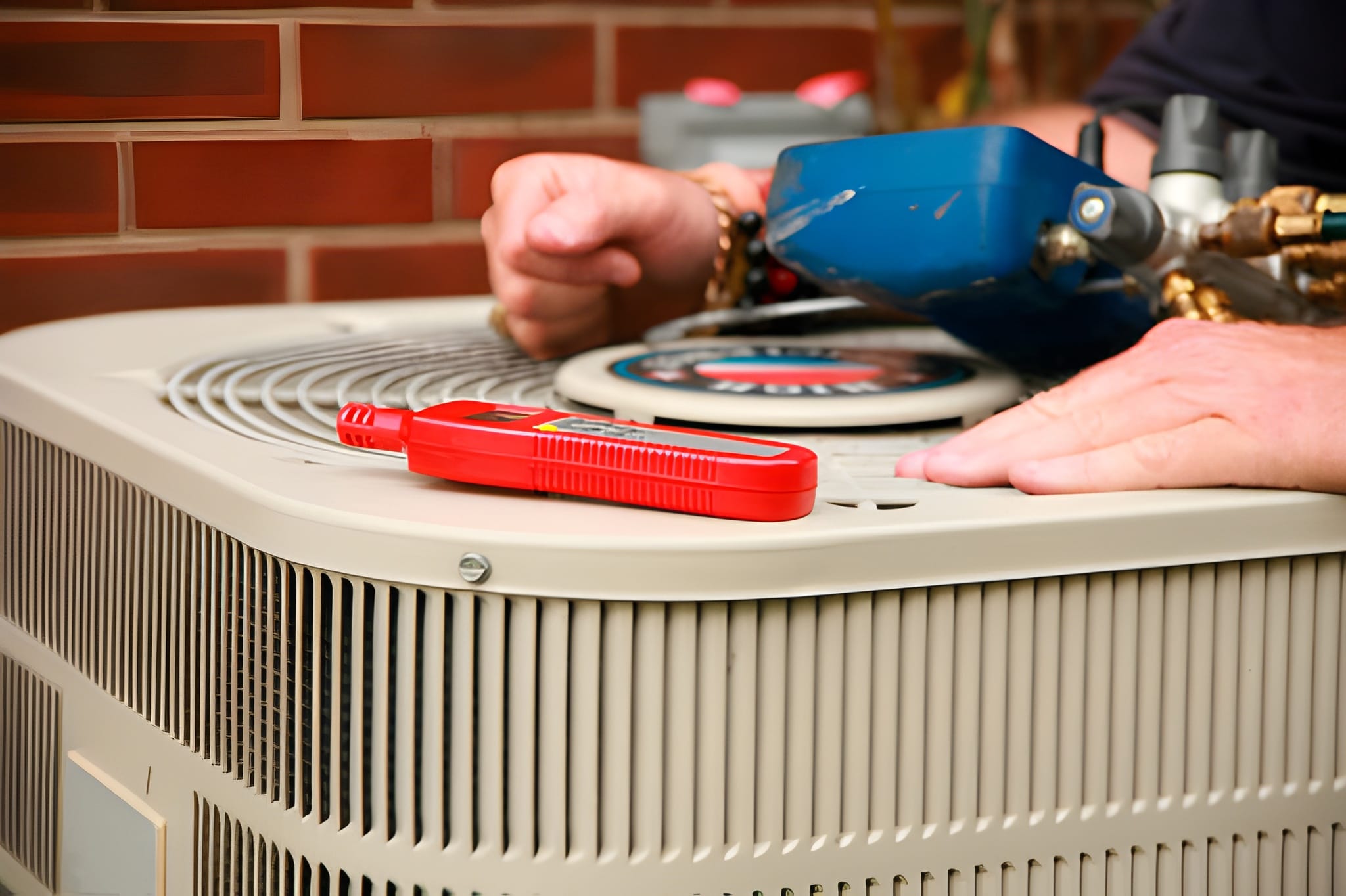
Keeping your heating and cooling systems performing reliably in Quincy, WA matters more than ever. Quincy homes face hot, dry summers, occasional cold snaps in winter, and high levels of dust and seasonal wildfire smoke. That combination increases wear on filters, indoor air quality concerns, and load on systems during peak months. Professional HVAC service in Quincy, WA focuses on diagnostics, tune-ups, component replacement, and tailored maintenance plans to extend equipment life, improve efficiency, and maintain comfortable indoor air year-round.
Why routine HVAC service matters in Quincy, WA
- Dust from agricultural fields and irrigation can rapidly clog filters and reduce airflow.
- Wildfire smoke events increase particulate load, requiring higher-grade filtration and more frequent service.
- Hot summer peaks and temperature swings put extra stress on compressors and motors.
- Timely maintenance helps avoid mid-season breakdowns when repair waits are long and comfort is critical.
Common HVAC issues in Quincy, WA homes
- Reduced cooling capacity or slow warm-up during winter due to restricted airflow or dirty coils.
- Short cycling (system turning on and off frequently) caused by thermostat problems, airflow restriction, or refrigerant issues.
- High utility bills from inefficient systems, failing components, or poor thermostat settings.
- Noisy operation from failing motors, worn bearings, or loose components.
- Ice on evaporator coils in heat pumps or central AC from low refrigerant or poor airflow.
- Indoor air quality complaints tied to dust, smoke, or mold in ducts or drip pans.
Service types and what they include
- Diagnostics and system evaluation
- Comprehensive inspection of electrical, refrigerant, airflow, and safety systems.
- Performance testing: temperature splits, static pressure, and refrigerant charge verification.
- Written findings and transparent repair options before any work.
- Routine tune-up and seasonal maintenance
- Cleaning evaporator and condenser coils, checking refrigerant levels, inspecting belts and bearings.
- Tightening electrical connections, testing safety controls, calibrating thermostats.
- Replacing standard filters and advising on upgraded filtration for smoke/dust conditions.
- Filter and component replacement
- Installing the correct MERV-rated filters for your system and indoor air needs.
- Replacing capacitors, contactors, blower motors, belts, and sensors with OEM-equivalent parts.
- Duct sealing and minor repairs to eliminate leaks that reduce efficiency.
- On-demand repairs and emergency service
- Fast diagnostics for sudden failures like complete loss of cooling/heating, refrigerant leaks, or electrical faults.
- Repair solutions prioritized by safety and system preservation, with clear estimates for parts and labor.
- Service agreements and maintenance plans
- Scheduled seasonal visits to prevent breakdowns and maintain manufacturer warranty compliance.
- Priority scheduling during peak seasons and documented service history.
- Options often include filter replacement frequency, discounted repair labor, and performance checks.
Supported systems and technologies
- Central air conditioning and packaged systems
- Gas and electric furnaces
- Heat pumps, including cold-climate models suitable for Eastern Washington
- Ductless mini-split systems for zoned control and homes without ductwork
- Smart thermostats and zoning controls for improved comfort and efficiency
- Whole-home and point-of-use filtration or UV options to address wildfire smoke and allergens
- Technicians service major manufacturers and modern control platforms; parts selection emphasizes compatibility and system longevity.
Typical diagnostic and repair process
- Initial assessment: homeowner description and visual inspection to prioritize safety concerns.
- Comprehensive diagnostic testing: airflow measurements, electrical checks, refrigerant inspection, and thermostat verification.
- Clear estimate: recommended repairs, parts needed, and projected time to complete.
- Repair or replacement: technicians perform work using industry-standard practices and verify operation after service.
- Final check and documentation: performance data recorded and maintenance recommendations provided.
Pricing and scheduling expectations
- Pricing structures generally include a diagnostic fee or flat-rate inspection, followed by labor and parts estimates for approved repairs.
- Routine tune-ups and maintenance plans are typically offered at set seasonal rates, reflecting the scope of service.
- During Quincy’s peak cooling months, schedules fill quickly; routine seasonal appointments are best before extreme heat or smoke seasons.
- Emergency on-demand service is available for sudden failures, with prioritized response when safety or severe comfort loss is involved. All work should be accompanied by a written estimate and clear explanation of warranty on parts and labor.
When to call a professional
- No cooling on hot days or no heating during cold spells.
- Strange odors (burning, musty, or chemical) coming from vents.
- Noticeable decrease in airflow or uneven temperatures between rooms.
- Water leaks, puddles near the indoor unit, or frozen coils.
- Loud banging, grinding, or humming sounds during operation.
- Rapidly rising energy bills without a change in usage habits.
- If your system is over 10-15 years old and you are experiencing recurring problems, professional evaluation can determine whether repair or planned replacement will be more cost-effective.
Maintenance tips to extend equipment life in Quincy
- Change or inspect filters every 1-3 months; use higher MERV ratings during wildfire season, but confirm compatibility with your system.
- Keep outdoor units clear of debris, weeds, and accumulated dust; irrigate carefully to avoid standing water near equipment.
- Schedule professional tune-ups in spring for cooling systems and fall for heating systems to avoid peak-season delays.
- Consider upgrading to a programmable or smart thermostat for better comfort control and energy savings.
- Document service history to preserve manufacturer warranties and to ensure consistent preventive care.
FAQs
Q: How often should I schedule HVAC maintenance in Quincy, WA?
A: Most systems benefit from professional tune-ups twice a year—spring for cooling and fall for heating—plus filter checks every 1-3 months, with more frequent attention during dusty or smoky conditions.
Q: What filter MERV rating is best for Quincy homes with wildfire smoke concerns?
A: Filters in the MERV 8-13 range balance particle removal and airflow for many residential systems; always verify your system can handle higher MERV ratings before upgrading.
Q: Will a refrigerant recharge fix my cooling problem?
A: Refrigerant recharge treats symptoms but not causes. If levels are low, a leak test and repair are necessary before adding refrigerant to ensure safe, lasting performance.
Q: How long does a typical HVAC diagnostic and tune-up take?
A: A full diagnostic visit can take 45-90 minutes depending on system complexity. Seasonal tune-ups typically take 60-120 minutes and include inspection, cleaning, and basic adjustments.
Q: Are heat pumps a good choice for Quincy’s climate?
A: Modern cold-climate heat pumps perform efficiently in Quincy’s hot summers and cold winters, offering year-round comfort and energy savings when properly sized and installed.
Q: What does a maintenance plan usually include?
A: Common maintenance plans include scheduled inspections, priority scheduling, routine filter replacements (per plan terms), discounted labor on repairs, and documented service records to support warranties.