Furnace Maintenance in Peshastin, WA

Scroll down to discover more
Furnace Maintenance in Peshastin, WA
Keeping your furnace well maintained is essential in Peshastin, WA, where cold, snowy winters and valley temperature swings put extra demand on home heating systems. Regular furnace maintenance prevents midseason breakdowns, lowers energy costs, and helps your equipment last longer.
Why seasonal furnace maintenance matters in Peshastin
Peshastin homes face long heating seasons and occasional deep cold snaps. Furnaces that run frequently without yearly tune ups can develop efficiency losses, safety risks, and component wear. Seasonal maintenance:
- Restores efficiency so your system uses less fuel for the same comfort
- Identifies small problems before they become expensive failures during cold weather
- Confirms safe operation, including carbon monoxide risk checks
- Keeps manufacturer requirements documented for warranty protection
Common furnace problems in Peshastin homes
Many issues are typical for area homes and are preventable with routine care:
- Dirty or clogged filters reducing airflow and increasing runtime
- Soiled burners and heat exchangers causing inefficient combustion
- Pilot or ignition faults leading to intermittent heating or no heat
- Blower motor strain from dirt, resulting in noisy operation or reduced airflow
- Cracked or corroded heat exchanger with potential safety concerns
- Incomplete combustion producing elevated carbon monoxide risk
- Thermostat calibration drift causing temperature swings or short cycling
What a professional furnace maintenance visit includes
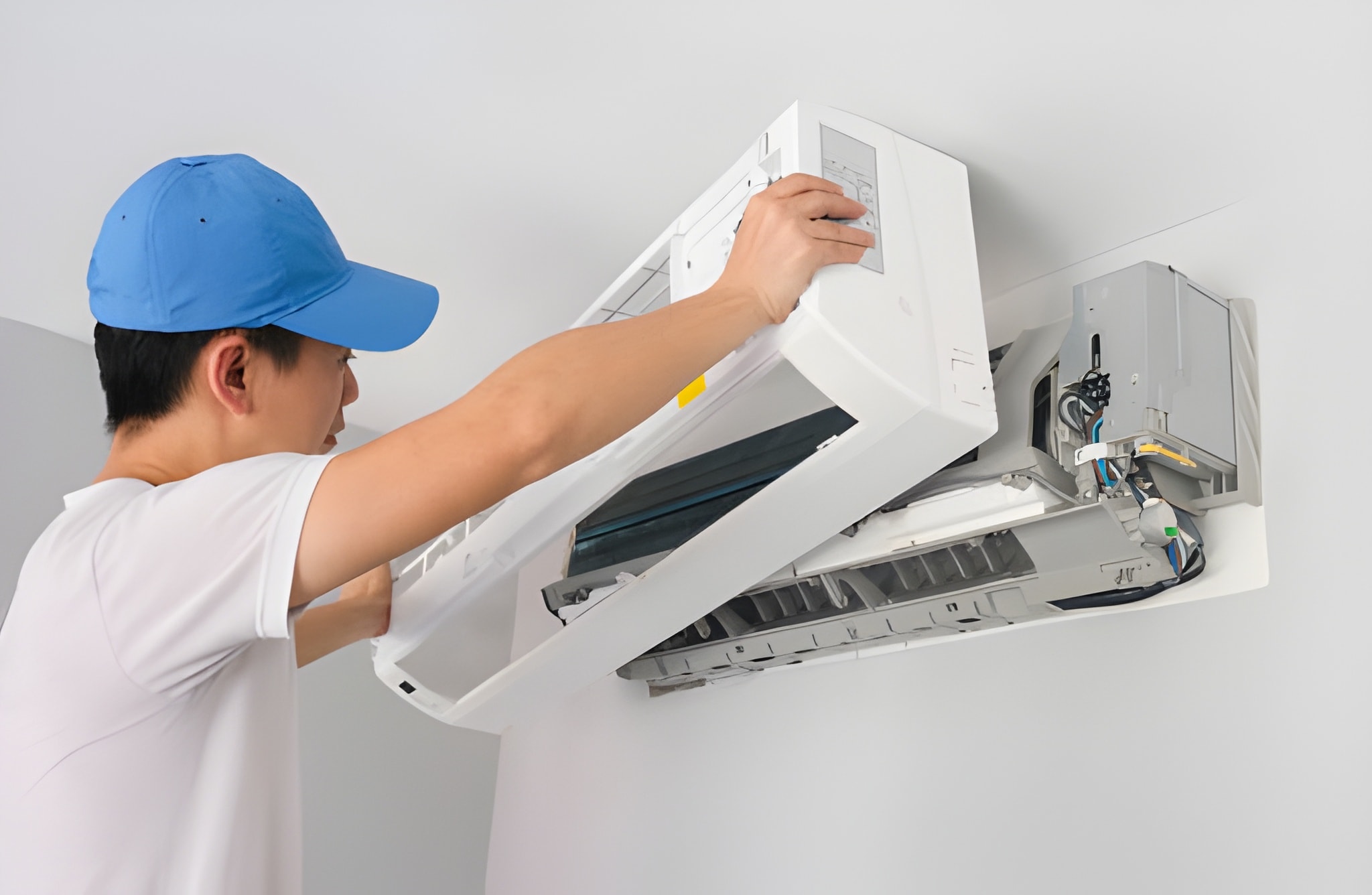
A complete seasonal inspection and tune up focuses on safety, efficiency, and reliability. Typical steps performed during a furnace maintenance visit:
- Visual and operational inspection
- Check overall system condition, vents, and exhaust flue for obstructions or damage
- Observe startup, burner flame, and shutdown cycles to detect abnormal behavior
- Filter service
- Inspect and replace or advise on filter type and replacement frequency to maintain airflow and indoor air quality
- Combustion and burner cleaning
- Clean burners and combustion components to restore proper flame pattern and fuel efficiency
- Inspect and clean the pilot assembly or electronic ignition as needed
- Heat exchanger and combustion safety checks
- Visually inspect the heat exchanger for cracks, corrosion, or deterioration
- Perform combustion analysis when applicable to verify proper fuel-to-air ratio
- Conduct carbon monoxide testing at the furnace and sampling points
- Blower and motor service
- Clean blower assembly and lubricate motor bearings where serviceable
- Check belt integrity and tension if applicable
- Electrical and control checks
- Inspect wiring, safety switches, and control boards for secure connections and signs of wear
- Verify thermostat calibration and operational settings
- Performance tuning and efficiency optimization
- Adjust gas pressure or fan speeds within manufacturer specifications
- Recommend settings and system improvements to reduce cycle losses and fuel use
- Documentation and homeowner guidance
- Provide a written summary of findings, recommended repairs, and any items to monitor going forward
Safety and carbon monoxide checks
Because Peshastin homes often use gas or propane furnaces, safety checks are a critical part of maintenance. Technicians look for signs of incomplete combustion, test for carbon monoxide, ensure proper venting, and confirm all safety interlocks function correctly. These checks reduce risk and give homeowners confidence that their furnace is operating safely.
How maintenance supports warranty compliance
Many furnace manufacturers require regular, documented maintenance to keep parts and labor warranties valid. A professional maintenance visit that follows manufacturer guidelines provides the inspection records needed should a warranty claim arise. Keeping service logs, dated maintenance reports, and receipts demonstrates that the system received proper care throughout its life.
Maintenance plan options (what to expect)
Homeowners commonly choose from tiered maintenance plans designed to match needs and budgets. Below are typical plan structures and features to look for when selecting a program:
- Basic Tune Up
- Annual seasonal inspection
- Filter check and replacement guidance
- Safety and operational checks
- Written service report
- Standard Maintenance Plan
- Everything in Basic plus mid-season check if requested
- Priority scheduling windows during the heating season
- Reduced diagnostic fee for covered repairs
- Seasonal discount on parts
- Premium Protection Plan
- Two scheduled visits per year (typically fall and spring)
- Priority emergency response during peak cold periods
- Comprehensive safety testing and combustion analysis
- Extended documentation for warranty support and service history
Plans vary on response priority and included diagnostic benefits. Choose a plan that aligns with your furnace age, system complexity, and how long you plan to stay in the home.
Scheduling and what homeowners should prepare
- Best timing: Schedule furnace maintenance in the fall before heavy winter use; spring checks are useful if the system ran hard all season.
- Frequency: Annual professional maintenance is recommended; older systems may benefit from twice-yearly checks.
- Typical appointment duration: Expect 45 to 90 minutes depending on system condition and whether cleaning or minor repairs are needed.
- Home prep: Clear access to the furnace and thermostat area, ensure pets are secured, and note any unusual noises or performance concerns to share with the technician.
Long term benefits of regular maintenance
Routine furnace care delivers measurable value for Peshastin residents:
- Improved energy efficiency and lower heating costs during prolonged cold
- Fewer emergency breakdowns in freezing weather
- Longer equipment life and delayed replacement costs
- Reduced safety risks from faulty combustion or blocked vents
- Smooth documentation trail for warranty claims and resale value
Keeping your furnace maintained is an investment that pays back through reliability, safety, and reduced operating costs. Regular seasonal checks, timely filter changes, and documented service visits help ensure your home stays warm and safe throughout Peshastin winters.