Furnace Tune-Up in Waterville, WA

Scroll down to discover more
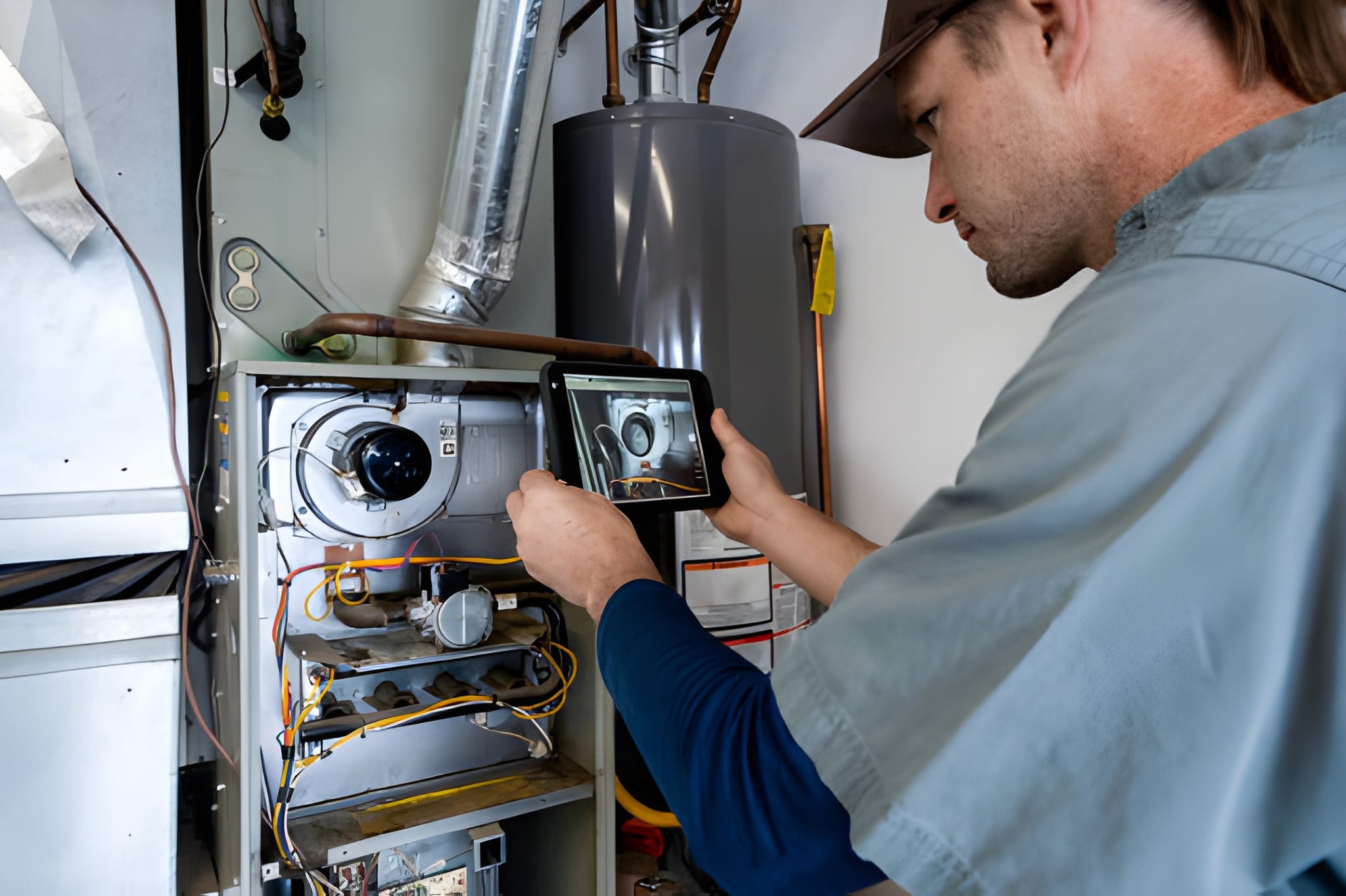
Furnace tune-ups in Waterville, WA provide preventive maintenance to improve safety, reliability, and efficiency during cold winters. A professional inspection identifies worn components, airflow issues, and combustion safety risks, then cleanings, filter recommendations, and mechanical adjustments restore optimal performance. The service includes gas safety checks, blower and vent inspections, thermostat calibration, and a final safety confirmation. Typical visits take about 60 to 120 minutes, with annual scheduling before heating season ensuring reduced energy use, fewer breakdowns, and longer equipment life.
Furnace Tune-Up in Waterville, WA
A professional furnace tune-up keeps your heating system safe, reliable, and efficient through Waterville winters. With colder temperatures, wide day/night swings, and seasonal dust from agricultural activity in the surrounding Columbia Basin, homes in Waterville depend on well-maintained furnaces. A tune-up addresses common wear points before they cause a breakdown, improves comfort and airflow, and helps reduce energy waste—important for homes that rely on consistent heating during long cold snaps.
Common furnace issues in Waterville homes
- Short cycling (furnace turns on and off frequently) caused by clogged filters, incorrect thermostat settings, or airflow restrictions.
- Weak or uneven heat, often from blocked vents, duct leaks, or dirty blower assemblies.
- Noisy startup or operation from loose components, worn belts, or unlubricated motors.
- Ignition, pilot, or intermittent flame problems on gas models due to dirt on electrodes, faulty valves, or improper combustion.
- Elevated carbon monoxide risk when combustion systems are not tested or vents are obstructed, especially important with older chimneys or power-vented systems.
- High energy bills from poor combustion efficiency, dirty heat exchangers, or poorly calibrated thermostats.
What a professional furnace tune-up includes (step-by-step checklist)
A full tune-up follows a consistent, safety-first checklist to identify and correct issues before they cause failure.
- Initial inspection
- Visual inspection of the furnace cabinet, access panels, and flue or venting for corrosion, obstructions, or signs of leaks.
- Confirm electrical connections are secure and check breakers and safety switches.
- Safety and combustion checks (for gas/propane furnaces)
- Combustion analysis to measure carbon monoxide (CO) and combustion efficiency.
- Inspect burners and ignition system; clean or replace parts as needed.
- Verify proper venting and draft to the exterior.
- Cleaning
- Remove and clean burners, burners ports, and pilot/ignitor surfaces where applicable.
- Clean the blower wheel and housing to restore airflow and balance.
- Vacuum out dust and debris from the cabinet and surrounding areas that can affect performance.
- Airflow and filter service
- Check and replace or recommend appropriate air filter; explain ideal MERV rating for your home.
- Inspect supply and return vents and perform a basic duct check for visible issues.
- Mechanical servicing
- Lubricate motors, bearings, and moving parts as needed.
- Inspect and adjust belts, pulleys, and blower alignment.
- Verify and adjust blower speed and airflow balance when necessary.
- Electrical and controls
- Test capacitors, relays, and transformers for proper operation.
- Calibrate the thermostat and verify control settings for optimal performance.
- Test safety switches, limit controls, and low-water or condensate switches if present.
- Final safety and performance confirmation
- Re-run combustion and CO checks (if applicable) and verify flue temperatures and draft.
- Confirm correct temperature rise across the heat exchanger and stable cycling behavior.
- Provide a written summary of findings and any recommended repairs or parts replacement.
Diagnostic tests and before-and-after performance testing
A tune-up includes measurable before-and-after checks to show improvements:
- Temperature rise across the heat exchanger to confirm proper heat transfer.
- Static air pressure and basic airflow measurements to detect restrictions.
- Combustion efficiency and CO readings for gas-fired systems to validate safe operation.
- Electrical draw on motors and amperage checks to identify failing components.
- These tests demonstrate the system’s condition and the benefit of service, and they help prioritize any recommended repairs.
Expected duration
Most standard furnace tune-ups in Waterville take about 60 to 90 minutes for a single-family home with straightforward access. Older units, systems with extensive dust buildup, or homes with complex venting may require 90 to 120 minutes. Technicians allot time to perform safety checks and record diagnostic measurements rather than rushing through basic cleaning.
Benefits of regular furnace tune-ups
- Improved energy efficiency and lower heating costs through cleaner burners, calibrated controls, and proper airflow.
- Fewer unexpected breakdowns during cold periods because worn parts are identified and corrected early.
- Longer equipment life by reducing strain on motors, blowers, and heat exchangers.
- Safer operation with verified combustion performance and CO testing on fuel-fired systems.
- Better indoor comfort and air quality through cleaner components and correctly sized filtration.
Recommended frequency and seasonal timing
- Annual tune-up before the heating season is the standard recommendation for most Waterville homes. Schedule service in late summer or early fall so your furnace is ready before sustained cold weather.
- Homes with older furnaces, heavy usage, or properties affected by seasonal dust and wildfire smoke may benefit from semiannual checks or a mid-winter inspection.
- Replace basic disposable filters every 1 to 3 months during heavy-use seasons; higher-efficiency filters may need more frequent checks if you have pets or high dust levels.
Simple homeowner preparations and what to expect during a visit
- Clear at least 2 to 3 feet of workspace around the furnace and ensure access to the thermostat.
- Expect a technician to perform a visual inspection, power down the unit for internal cleaning, run diagnostics, and test safety systems.
- You will receive a summary of issues found, test results, and any repair recommendations. If additional parts or repairs are required beyond routine tune-up tasks, those will be explained with options and next steps.