
Furnace Tune-Up in Terrace Park, WA

Scroll down to discover more
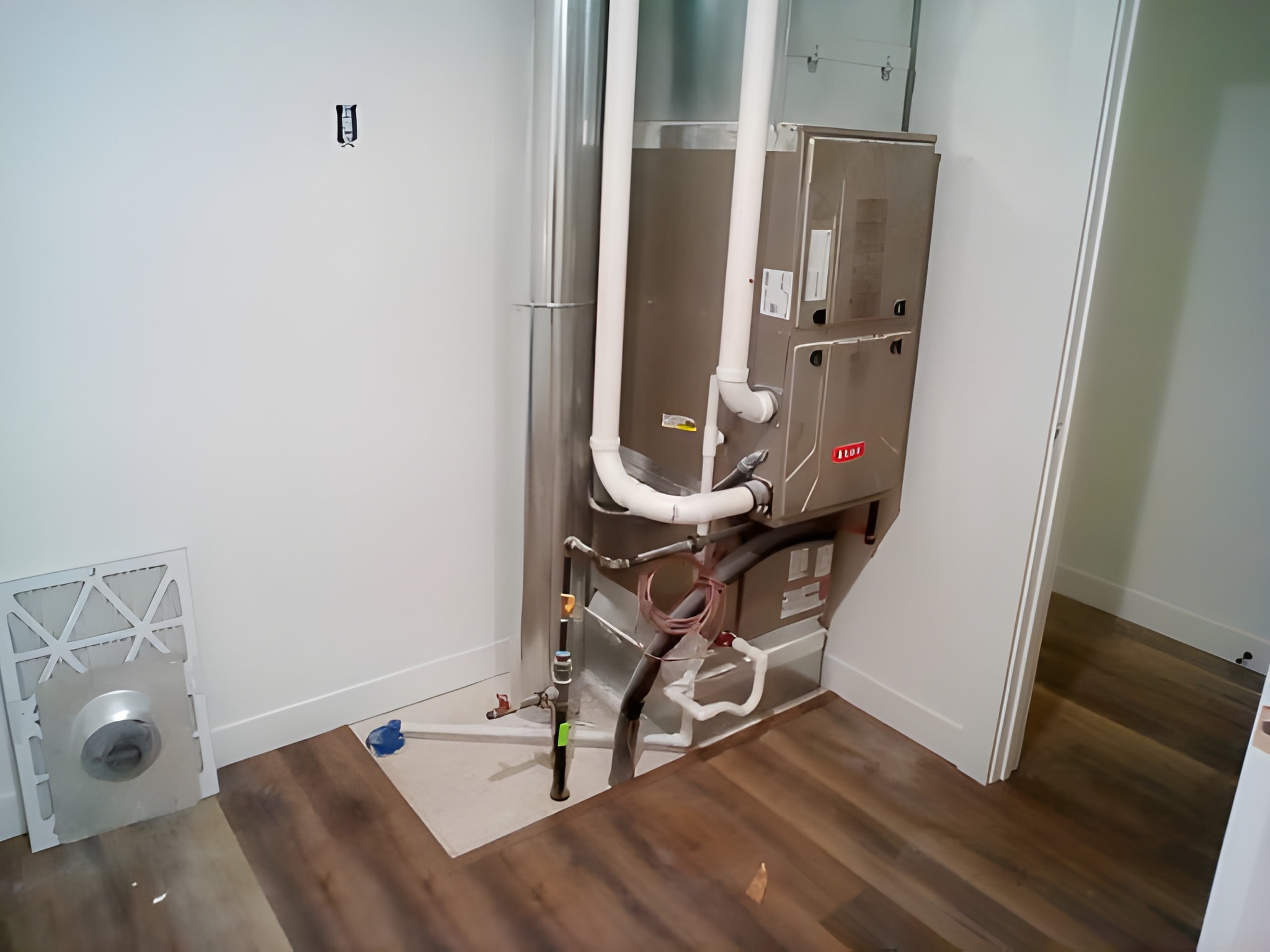
Furnace Tune-Up in Terrace Park, WA
A professional furnace tune-up in Terrace Park, WA protects your comfort, reduces energy bills, and keeps your home safe during the cold, damp months common to the Pacific Northwest. Routine maintenance addresses the hidden wear and small problems that cause breakdowns, inefficient operation, and higher utility costs. For homeowners in Terrace Park, where seasonal temperature swings and higher humidity can accelerate equipment wear, an annual tune-up is a practical step to maintain dependable heat and efficient performance.
Why a furnace tune-up matters in Terrace Park, WA
- Climate stress: Cold, wet winters and fluctuating temperatures increase run time for furnaces and can accelerate corrosion of metal components and gas burners.
- Energy savings: A well-tuned furnace operates closer to its design efficiency, lowering monthly heating bills during long heating seasons.
- Safety: Proper combustion, venting, and safety control checks reduce the risk of carbon monoxide and fire hazards.
- Reliability: Preventive maintenance catches worn parts before they fail on the coldest nights, reducing emergency repairs and uncomfortable interruptions.
Common furnace problems we see in Terrace Park homes
- Uneven heating or rooms that never reach set temperature
- Short cycling (furnace turning on and off frequently)
- Rising utility bills with no change in thermostat settings
- Strange odors, soot, or yellow pilot/flame color indicating combustion or venting issues
- Weak airflow or dusty vents caused by clogged filters or dirty blower components
- Delayed ignition, frequent pilot outages, or intermittent heating
What a typical furnace tune-up includes
A comprehensive tune-up examines, cleans, adjusts, and tests all critical components so your system runs safely and efficiently. The standard process includes:
- Visual inspection
- Inspect cabinet, control box, wiring, and visible components for wear, rust, or loose connections.
- Check venting and flue for obstructions, corrosion, or improper slope.
- Cleaning burners and coils
- Remove dust and debris from burners and heat exchange surfaces to restore consistent flame and heat transfer.
- Clean the flame sensor and ignition components to eliminate delayed or failed ignitions.
- Inspecting and adjusting ignition and safety controls
- Test ignition system, pilot (if present), and all safety switches including limit and pressure switches.
- Verify the operation of the gas valve, flame rollout switches, and blower door interlocks.
- Checking and calibrating the thermostat
- Verify thermostat settings and calibration against actual room temperatures.
- Confirm proper wiring and compatibility with the furnace control system.
- Blower, motor, and airflow verification
- Inspect and clean the blower assembly, motor, and housing.
- Lubricate motor bearings if applicable and check belt condition on belt-driven motors.
- Measure airflow and static pressure where practical, and confirm temperature rise across the heat exchanger is within manufacturer specifications.
- Ductwork and filter inspection
- Inspect supply and return ducts for obvious leaks, disconnections, or poor insulation in attics or crawlspaces.
- Check and recommend proper filter type and size; replace disposable filters as needed.
- Testing system efficiency and safety
- Check flue draft and combustion performance for safe venting.
- Test carbon monoxide (CO) levels and ensure adequate combustion air.
- Measure system startup, run cycles, and thermostat response for proper operation.
- Report and recommendations
- Provide a clear summary of findings, any safety issues, recommended repairs or part replacements, and tips to improve efficiency and longevity.
Common repairs uncovered during tune-ups (and why timely work pays)
- Replacing worn ignition modules or flame sensors to restore reliable starts
- Cleaning or replacing dirty burners and heat exchangers to improve combustion and reduce soot
- Repairing or replacing blower motors, capacitors, or belts to restore airflow
- Sealing major duct leaks to recover lost heated air and improve comfort
- Replacing faulty thermostats or recalibrating controls to stop short cycling and uneven heating
Addressing these items during a scheduled tune-up is usually faster and less expensive than emergency repairs and helps extend the life of the furnace.
Recommended frequency and timing
- Annual tune-up: Most manufacturers and HVAC professionals recommend a furnace tune-up once a year, ideally in the fall before sustained heating use begins.
- Older systems or heavy-use homes: Consider twice-yearly checks if the furnace is more than 15 years old, has a history of issues, or serves a home with high heating demand.
- After prolonged shutdown or unusual events: If your furnace sat idle for months, suffered water exposure, or experienced a power surge, schedule an inspection before relying on it for extended use.
Practical maintenance tips for Terrace Park homeowners
- Change disposable filters monthly during heavy-use months and use higher-efficiency filters that match your furnace specifications.
- Keep returns and supply registers free of furniture and obstructions to maintain good airflow.
- Seal and insulate accessible ductwork in unconditioned spaces to prevent heat loss.
- Install and maintain carbon monoxide detectors on each level near sleeping areas and check batteries regularly.
- Monitor your energy bills and indoor comfort; unexplained increases or persistent cold spots are signs to have the system evaluated.
The benefits you should expect after a professional tune-up
- More consistent heat and quicker recovery to set temperatures
- Lower monthly heating costs due to improved combustion and reduced blower work
- Fewer unexpected breakdowns and extended equipment life
- Reduced safety risks from improper combustion or venting
- Documentation of system condition for insurance or warranty purposes
A furnace tune-up is an investment that improves performance, comfort, and safety—especially important in Terrace Park homes that depend on reliable heating through cool, wet winters. Regular maintenance keeps systems running efficiently, uncovers small problems early, and provides peace of mind when temperatures drop.