
Furnace Maintenance in Rock Island, WA

Scroll down to discover more
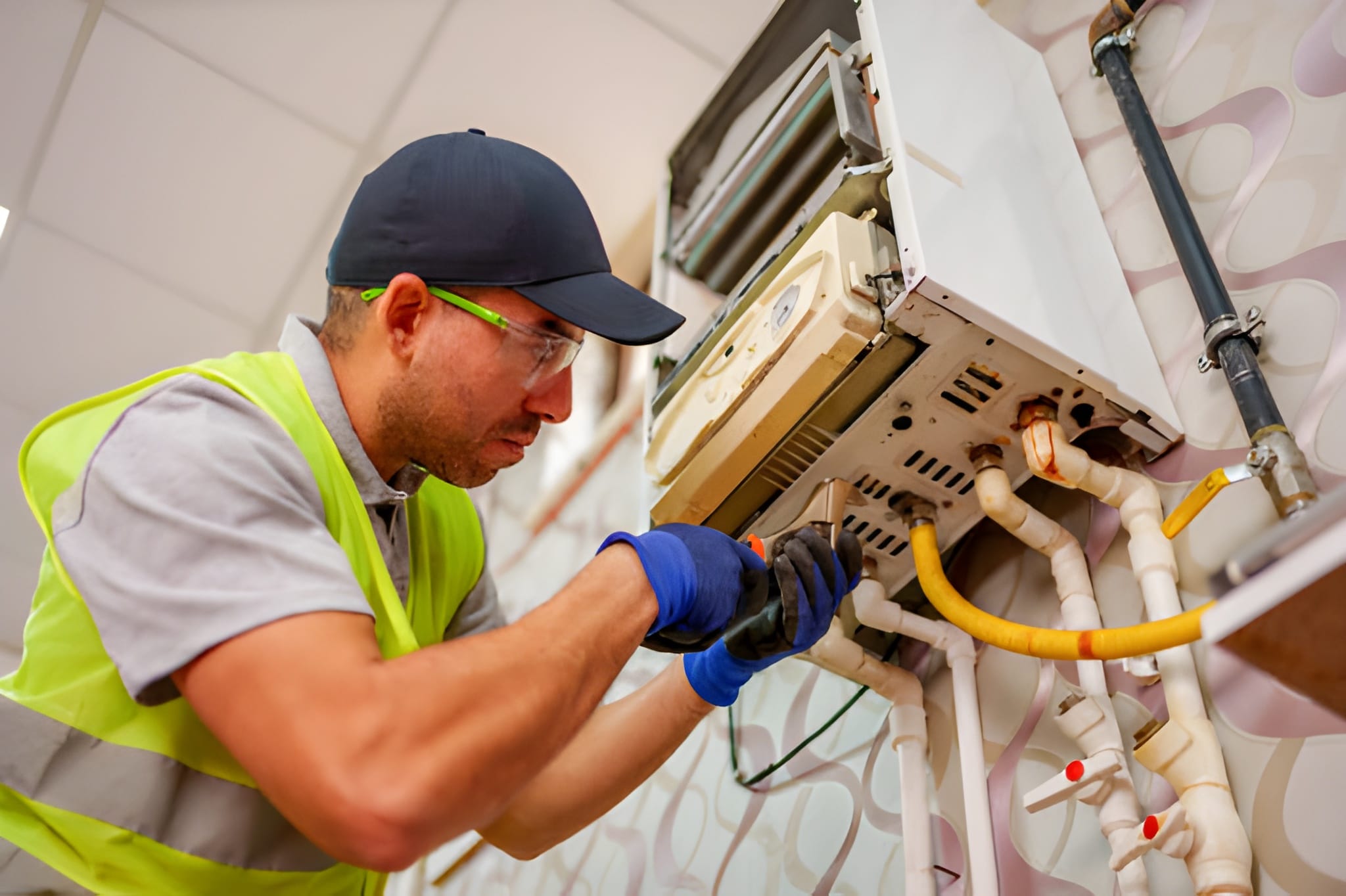
Furnace Maintenance in Rock Island, WA
Keeping your furnace properly maintained is one of the most effective ways to ensure reliable heat, lower operating costs, and longer equipment life in Rock Island, WA homes. Winters in Rock Island can bring cold snaps and extended heating demand, while the region’s dry, dusty conditions and nearby agricultural activity increase airborne particulates. Regular furnace maintenance tailored to local conditions prevents common failures, improves comfort, and protects safety systems.
Why seasonal furnace maintenance matters in Rock Island, WA
- Rock Island winters increase runtime and stress on furnaces, making pre-season inspections essential to avoid mid-winter breakdowns.
- The dry climate and orchard dust can clog filters and reduce airflow faster than in more humid areas, reducing efficiency and increasing wear.
- Aging homes and variable insulation levels in the region can put uneven loads on heating equipment; routine maintenance keeps systems balanced and safer to operate.
Common furnace maintenance issues in Rock Island homes
- Clogged or overdue air filters that restrict airflow and raise blower motor strain
- Dirty burners and flame sensors causing rough ignition, cycling, or poor combustion
- Cracked or corroded heat exchangers producing reduced heat transfer and safety concerns
- Faulty ignition systems or pilot assemblies that lead to no-heat calls
- Worn blower motors and bearings that need lubrication or replacement
- Blocked vents, flues, or deteriorated venting components leading to poor draft
- Thermostat or control failures causing short-cycling or inaccurate temperature control
What a seasonal furnace inspection covers
A full seasonal inspection checks safety, performance, and preventive items so problems are caught early. Typical checklist items include:
- Visual inspection of the heat exchanger for cracks, corrosion, or stress marks
- Burner assembly cleaning and adjustment for proper combustion
- Ignition system check (hot surface ignitor or electronic ignition) and testing
- Safety control verification, including limit switches and rollout sensors
- Combustion and venting inspection to confirm correct draft and seal integrity
- Gas valve operation and leak inspection (visual and pressure checks as appropriate)
- Blower assembly inspection: motor, wheel, belts (if applicable), lubrication points
- Air filter assessment and replacement or schedule review
- Thermostat calibration and control system functional test
- Inspection of electrical connections, capacitors, and contactors
- Ductwork spot-checks for visible leaks, blockages, or disconnections
- Carbon monoxide alarm compatibility and basic CO check (using proper equipment)
Routine tasks included with preventive maintenance
- Filter replacement schedule guidance: typically every 1 to 3 months for standard fiberglass or pleated filters, though filters may need more frequent replacement in dusty seasons or homes with pets. High-efficiency media filters may last longer but require scheduled checks.
- Cleaning burners, combustion chamber, and flame sensor to restore reliable ignition and efficient combustion
- Lubrication of blower motor bearings and fan shafts where applicable to reduce friction and noise
- Vacuuming accessible dust from the blower compartment, cabinet, and heat exchanger areas
- Tightening electrical connections and testing system controls to prevent electrical faults
- Adjusting system settings and recommending thermostat optimization for Rock Island seasonal patterns
How preventive maintenance reduces cost and risk
- Improved efficiency: Clean burners, clean filters, and tuned controls allow the furnace to operate with less fuel and shorter run times, reducing heating bills during long cold spells.
- Fewer breakdowns: Regular inspections find worn parts before they fail, decreasing emergency repairs in the coldest months.
- Longer equipment life: Routine lubrication, cleaning, and small repairs slow component wear and extend the useful life of the furnace.
- Safety assurance: Heat exchanger checks, venting inspections, and control testing reduce the risk of unsafe combustion or carbon monoxide events.
- Consistent comfort: Proper airflow and correct thermostat operation minimize hot and cold spots in homes that experience fluctuating outdoor temperatures.
Typical maintenance plans and agreements
Maintenance plans for furnaces commonly include these elements tailored to homeowner needs:
- Scheduled seasonal tune-ups (usually annual or twice-yearly for combined heating and cooling service)
- Priority scheduling for service calls during peak winter months
- Discounted diagnostic or repair labor rates and parts pricing for enrolled customers
- Documentation and records of service, including inspection checklists and recommended repairs
- Reminder notifications before the heating season and before scheduled visits
- Optional coverage tiers that may include additional perks such as filter delivery programs or extended component inspections
In Rock Island, plans that combine spring cooling checks and fall furnace maintenance can be especially efficient given the pronounced seasonal use of heating and intermittent use of cooling. A plan can be set to align visits with the months when dust and pollen are highest to reduce filter-related issues.
What to expect during a booked maintenance visit
- A technician arrives at the scheduled time, completes a full inspection using the seasonal checklist, and documents findings.
- Filters are checked and replaced according to the selected schedule and filter type.
- Combustion, ignition, and safety systems are cleaned and tested; adjustments are made for optimal operation.
- Any minor repairs or recommended replacements are noted and explained clearly with options for service.
- The homeowner receives a concise service report describing work performed and suggested next steps for efficiency or safety improvements.
Long-term maintenance tips for Rock Island homeowners
- Change or check filters monthly during peak dusty seasons and at least every 3 months year-round.
- Keep intake and exhaust vents clear of leaves, snow, or debris that can restrict airflow or venting.
- Install or test carbon monoxide detectors on each level of the home and near sleeping areas whenever furnace maintenance is performed.
- Schedule furnace maintenance in early fall before heavy use to avoid peak-season delays and ensure reliable performance.
- Consider a maintenance agreement that includes scheduled visits and priority service to match Rock Island’s seasonal heating demands.
Routine furnace maintenance in Rock Island, WA protects comfort, safety, and family budgets. A seasonally focused inspection program that addresses heat exchanger integrity, burners, ignition, safety controls, filter management, lubrication, and cleaning keeps furnaces running efficiently through the cold months and reduces the likelihood of costly repairs.