Furnace Repair in Entiat, WA

Scroll down to discover more
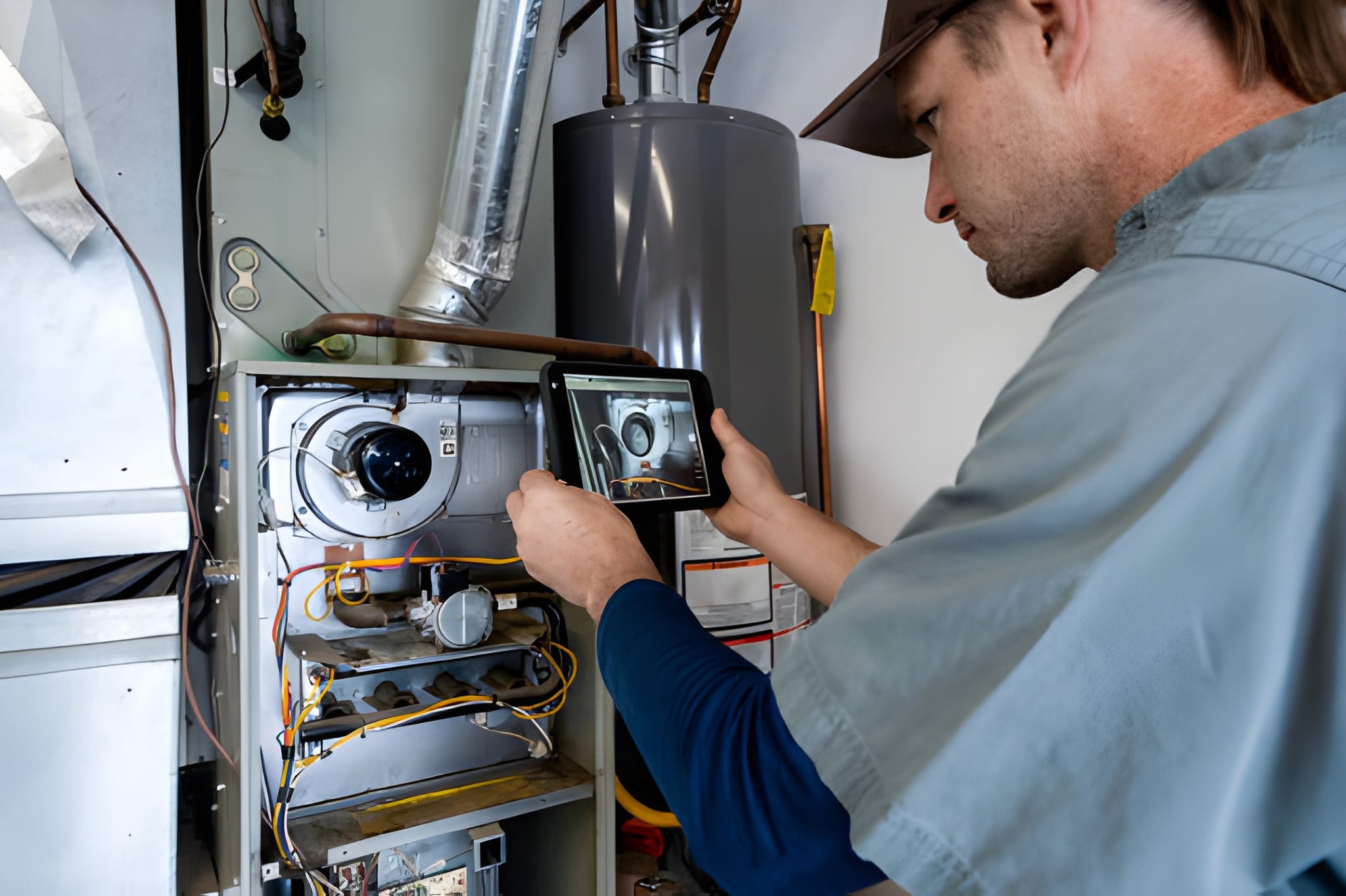
Furnace Repair in Entiat, WA
Keeping your furnace running reliably is essential for comfort and safety in Entiat, WA. Winters in the Columbia River valley can bring cold nights and rapid temperature swings, and many local homes rely on gas, propane, or electric furnaces that must perform when it matters most.
Common furnace problems in Entiat, WA
Homeowners in Entiat commonly call for furnace repair with these symptoms. Recognizing them early reduces repair costs and prevents safety risks.
- No heat or intermittent heating
Furnace won’t start at all or runs briefly then shuts off. Causes include ignition failure, thermostat faults, fuel supply issues (propane or gas), or control board problems. - Strange noises
Rattling, banging, or squealing often point to a failing blower motor, loose components, a cracked heat exchanger, or worn belt and bearings. - Short cycling (frequent on/off cycles)
Short cycling stresses components and often results from an oversized unit, clogged filters, faulty thermostat, or limit switch failures. - Uneven heating or cold spots
Imbalanced airflow, blocked vents, duct leaks, or a malfunctioning blower can leave rooms colder than others. - Ignition or pilot problems
No spark, weak pilot flame, or repeated ignition attempts indicate ignition system or flame sensor issues—common on older or high-use systems. - High energy bills or poor performance
Reduced efficiency from dirty burners, a failing blower, or a leaking heat exchanger makes systems work harder and cost more to operate. - Odors or signs of combustion issues
Musty or rotten-egg smells, soot, or visible yellow flame require immediate attention because they can signal combustion or venting problems.
How a professional diagnostic works
A thorough diagnostic separates a temporary nuisance from a safety issue. The typical diagnostic process includes:
- Initial assessment and history — Technician documents symptoms, recent changes, and system age to narrow probable causes.
- Safety checks — Carbon monoxide testing, visual inspection of the heat exchanger and flue, and fuel line checks for gas/propane systems.
- Electrical and control tests — Verifying thermostat calibration, control board operation, and consistent power to the unit.
- Combustion and airflow analysis — Checking burner performance, flame quality, blower operation, and measuring airflow to detect duct or filter restrictions.
- Detailed findings and written estimate — After testing, you receive a clear explanation of the issue, repair options, parts needed, and an estimate of labor and time.
This systematic approach ensures the recommended repair addresses root causes, not just symptoms.
Typical furnace repairs and what they fix
Repair needs vary by system age, fuel type, and maintenance history. Common repairs include:
- Ignition system replacement or repair (hot surface igniters, spark modules, or pilot assembly) — Restores reliable startup.
- Burner cleaning and adjustment — Improves combustion efficiency and reduces soot or odor problems.
- Thermostat replacement or recalibration — Fixes inaccurate temperature control and eliminates short cycling caused by sensors.
- Blower motor repair or replacement — Restores airflow and resolves noisy operation.
- Control board and limit switch repairs — Replaces failing electronics that can shut systems down erratically.
- Flame sensor cleaning or replacement — Prevents false shutdowns during operation.
- Heat exchanger inspection and replacement guidance — Cracked exchangers are a safety risk; professionals assess whether replacement is required.
- Duct sealing and airflow balancing — Improves distribution and energy efficiency.
- Condensate or drain repairs (for high-efficiency furnaces) — Prevents water-related shutdowns and corrosion.
- Fuel supply and regulator servicing (propane or gas) — Ensures steady, safe fuel delivery for rural Entiat homes that use tanks or meters.
Repair decisions balance safety, expected remaining life of the furnace, and cost-effectiveness. When replacement is the safer or more economical option, a clear comparison is provided.
Transparent pricing and written estimates
Professional furnace repair in Entiat prioritizes transparent pricing. After diagnostics you should receive:
- A written estimate breaking down parts, labor, and expected time on site
- Options when multiple repair routes exist (repair now vs staged repairs vs replacement)
- Clear explanations of warranty coverage for parts and labor
- Disclosure of any aftermarket vs OEM part choices and potential long-term tradeoffs
Estimates help you make an informed, bottom-of-funnel decision without surprises.
Emergency response and scheduling expectations
Loss of heat in winter or signs of combustion problems demand prompt attention. Local repair services typically offer:
- Priority response for no-heat and safety-related calls, often same-day or within a few hours during peak winter demand
- Technicians equipped with common replacement parts to complete many repairs on the first visit
- After-hours or weekend availability for urgent conditions (availability varies by provider and season)
In Entiat, remote or rural access and winter road conditions can affect response time; technicians familiar with the area plan to reach local homes efficiently.
Technician qualifications, parts, and warranty information
Qualified technicians should be trained in gas and electrical safety, licensed where required, and experienced with a range of furnace makes and models. Look for technicians who provide:
- Proof of licensing and insurance
- Ongoing manufacturer training for newer high-efficiency systems
- Use of OEM or high-quality replacement parts
- Written warranties that cover parts and labor for a stated period
Warranties give peace of mind on repairs; documentation should be provided at project completion.
Preventive tips to avoid future breakdowns
Routine maintenance extends furnace life and reduces emergency calls. Key preventive steps for Entiat homes include:
- Annual safety tune-up before winter — Clean burners, inspect the heat exchanger, test safety controls, and verify efficient combustion.
- Change filters every 1–3 months — Wildfire smoke and valley dust can clog filters faster than in other regions.
- Keep vents and returns clear — Furniture and debris block airflow and force the system to work harder.
- Install and test carbon monoxide detectors — Especially important for gas or propane furnaces.
- Monitor fuel supply if on propane — Keep tanks topped to avoid delivery scheduling problems in cold weather.
- Address airflow or duct leaks — Sealed ducts and balanced airflow improve comfort and efficiency.
- Consider a programmable thermostat — Reduces cycling and can extend equipment life.
Regular maintenance and prompt attention to small issues prevent larger, costlier repairs down the line.