
Furnace Repair in Rock Island, WA

Scroll down to discover more
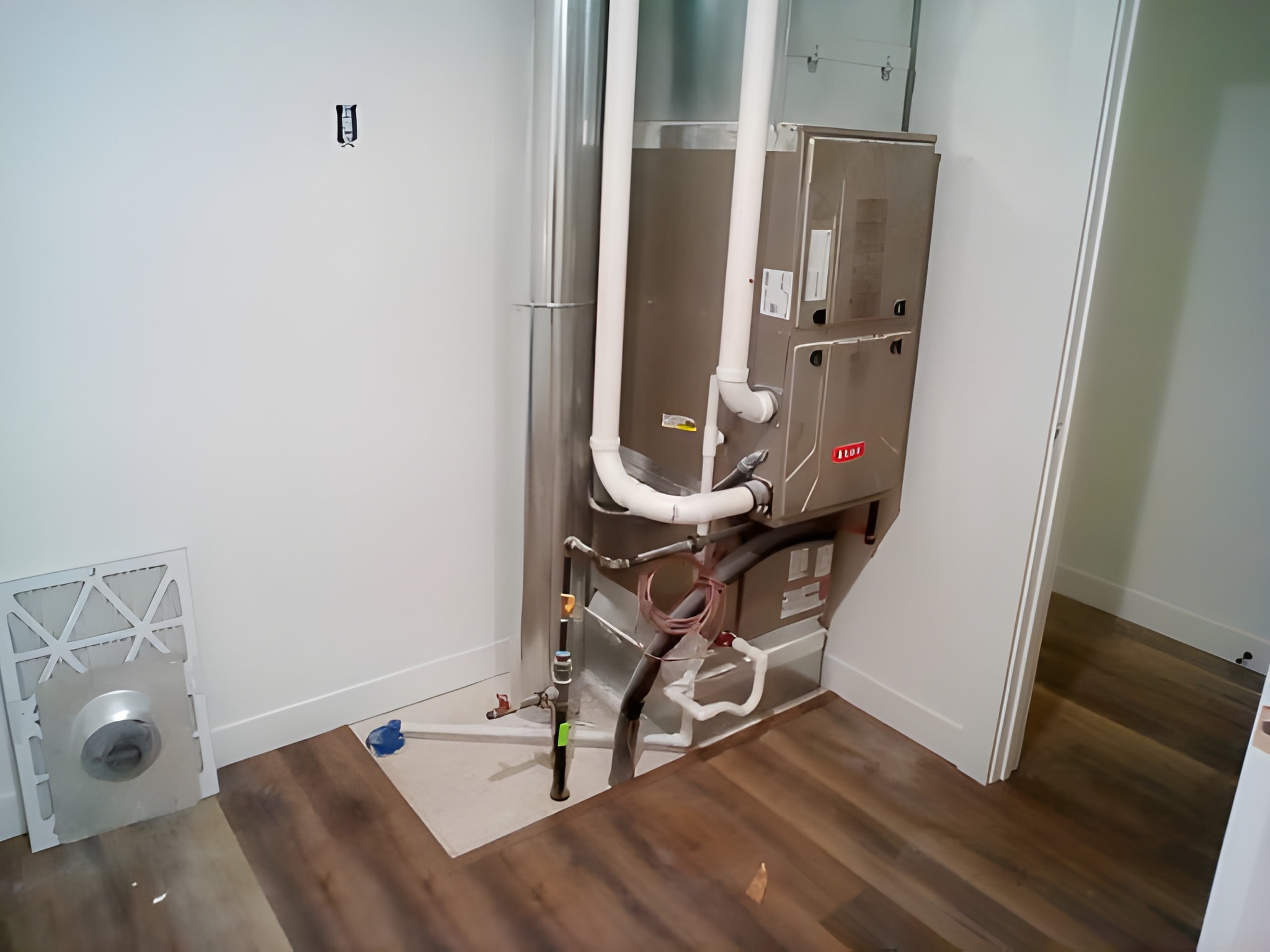
Furnace Repair in Rock Island, WA
When winter nights drop below freezing in Rock Island, WA, a functioning furnace is not a convenience — it is essential. Furnace Repair in Rock Island, WA focuses on diagnosing and fixing the exact issues that leave you cold, wasting energy, or worrying about safety.
Why prompt furnace repair matters in Rock Island
Rock Island’s inland, semi-arid climate brings cold winter nights and occasional rapid temperature swings. Furnaces that are undersized, neglected, or pushed hard during cold snaps are more likely to fail. Timely repairs restore comfort, improve energy efficiency, reduce utility bills, and limit risk from carbon monoxide or gas leaks. Local homes also face dust and seasonal debris that can clog filters and burners, increasing wear and tear.
Common furnace problems and symptoms in Rock Island homes
- No heat: The furnace runs but no warm air, or it does not turn on at all. Causes include thermostat issues, ignition failure, gas supply problems, or failed blowers.
- Strange noises: Rattling, banging, squealing, or humming often indicate loose panels, failing bearings, worn belts, or ignition delays.
- Short cycling: Furnace turns on and off frequently. Typical causes are restricted airflow (dirty filter, blocked vents), overheating, faulty thermostat, or a failing control board.
- Weak airflow: Warm air but low volume — points to blower motor issues, duct leaks, or clogged filters.
- Pilot light/ignition problems: Older standing pilot or electronic igniters can fail, leading to intermittent heating or no heat.
- Odors and soot: Persistent burning smells or visible soot are signs of poor combustion or venting problems and require immediate attention.
- Carbon monoxide concerns: Any symptoms like headaches, dizziness, or unusual symptoms when the furnace runs should be treated seriously; furnaces must be inspected for safe combustion and venting.
Diagnostic and troubleshooting procedures
Technicians follow a structured diagnostic approach that’s explained to homeowners in plain language:
- Initial safety check: Verify gas connections, detect odors, inspect flue and vents, and ensure carbon monoxide detectors are functioning.
- Thermostat and controls: Confirm settings, batteries, wiring, and any error codes on modern control boards.
- Power and ignition: Check breakers, fuses, pilot light or electronic igniter, and gas valve operation.
- Airflow inspection: Examine filters, return grills, blower motor, belts, and duct connections for restrictions.
- Combustion and heat transfer: Inspect burners, flame appearance, and heat exchanger for cracks or corrosion. A cracked heat exchanger affects safety and typically requires replacement.
- Component testing: Test capacitors, motors, limit switches, sensors, and control modules to isolate failures.
- Final system run and verification: After repairs, the system is run through cycles to ensure stable operation and proper temperature recovery.
Technicians will describe findings and present an itemized repair plan before any work begins.
Typical parts and repairs performed
Common replacement parts and repairs include:
- Air filters and condensate drain cleaning to restore airflow
- Igniters or pilot assembly replacement for ignition failures
- Flame sensor cleaning or replacement to stop unwanted shutdowns
- Blower motor repair or replacement for weak airflow or noise
- Capacitor and relay replacement to restore reliable motor starts
- Limit switch and thermostat replacement to correct short cycling or control faults
- Gas valve, burner cleaning, and combustion adjustments for efficient, safe heating
- Control board replacement when electronic controls fail
- Heat exchanger replacement when cracks or corrosion create safety hazards
- Repair time and parts required vary by model, age, and access. Technicians explain options where repairs or full system replacement is more cost-effective.
Emergency and rapid-response options
No-heat emergencies happen on the coldest nights. Emergency furnace repair options typically include:
- Rapid-response scheduling for no-heat calls, with same-day or next-available arrival depending on workload and weather conditions
- After-hours or weekend availability for true emergencies (availability varies by provider)
- Onsite triage to identify temporary fixes that restore heat immediately while arranging full repairs
- Homeowners should be prepared to provide furnace model, symptoms, and any recent service history to expedite triage.
Transparent pricing and estimate process
A clear, upfront estimate process helps homeowners make informed decisions:
- Diagnostic fee: A standard diagnostic or service call fee covers the technician’s time to inspect and determine the fault. This fee is typically applied toward the repair if approved.
- Itemized estimate: After diagnosis, you receive a written, itemized estimate that lists parts, labor, and any permits or additional services.
- Repair options: Estimates commonly include repair, repair with upgraded parts, or replacement (if repair is not cost effective). Benefits and trade-offs for each choice are explained.
- No hidden fees: Final invoices reflect the agreed estimate unless additional work is authorized during the visit. Any changes are discussed before proceeding.
Warranty and satisfaction guarantee details
Repairs should come with clear coverage:
- Satisfaction guarantee: Work is backed by a satisfaction guarantee so homeowners can expect follow-up if issues persist after service.
- Parts and labor warranty: Typical workmanship warranties include a labor warranty (commonly around 90 days) and parts warranties provided by manufacturers (often one year or more). Exact warranty terms and durations are provided on the estimate and invoice so you know what is covered and for how long.
What to do while waiting for service
- Check the thermostat settings and replace batteries.
- Replace or inspect the air filter to improve airflow.
- Check the breaker panel for tripped breakers and reset if safe.
- Open curtains and limit drafts to conserve heat.
- If you smell gas or suspect carbon monoxide, leave the building immediately and notify emergency services and your gas utility; do not operate electrical switches or the furnace.
What to expect when scheduling service
When booking a furnace repair appointment for your Rock Island home, have the following ready:
- Furnace make, model, and age (if available)
- Description of symptoms and when they started
- Any recent maintenance history or prior repairs
At the appointment the technician will perform diagnostics, explain findings in plain language, present an itemized estimate, and proceed with repairs only after you approve the work. After completion you will receive documentation of services performed, parts installed, and warranty terms.
Furnace repair in Rock Island, WA protects your family’s comfort and safety during cold months. Understanding common problems, the diagnostic process, repair options, and warranty details helps you make confident, informed decisions when a furnace issue arises.