Furnace Repair in Terrace Park, WA

Scroll down to discover more
Furnace Repair in Terrace Park, WA
When your furnace struggles during Terrace Park winters, it affects comfort, safety, and energy bills. Furnace Repair in Terrace Park, WA focuses on diagnosing root causes fast, restoring reliable heat, and ensuring safe operation in homes that face cold, damp winters and frequent temperature swings.
Common furnace problems and symptoms in Terrace Park, WA
Homes in Terrace Park face wet, chilly winters that put heavy demand on heating systems. These are the most frequent issues we see:
- Furnace not turning on or will not stay running
- Symptoms: no heat, short cycling, intermittent operation. Often due to thermostat, ignition, or control board issues.
- Weak or uneven heat delivery
- Symptoms: some rooms cold, long run times with little heat. Common causes include clogged filters, blower problems, duct leaks, or a failing heat exchanger.
- Strange noises during operation
- Symptoms: rattling, squealing, banging. Usually a failing blower motor, belt (in older units), or loose components.
- Unusual smells or visible soot
- Symptoms: persistent odor, yellow pilot light, soot near burners. Indicates combustion or ventilation issues and requires immediate safety checks.
- High utility bills and poor efficiency
- Symptoms: furnace runs more often, limited heat output. Can be caused by aging equipment, dirty burners, or failing components.
- Pilot or ignition problems
- Symptoms: pilot will not light or electronic ignition failure. Often due to dirty sensors, faulty ignitors, or gas valve issues.
Diagnostic process technicians use
A careful, methodical diagnostic process separates temporary fixes from long-term solutions. Our typical approach in Terrace Park homes includes:
- Initial symptom review and history
- Ask about recent changes, system behavior, and any warning lights. This helps prioritize safety risks and probable causes.
- Visual inspection and safety checks
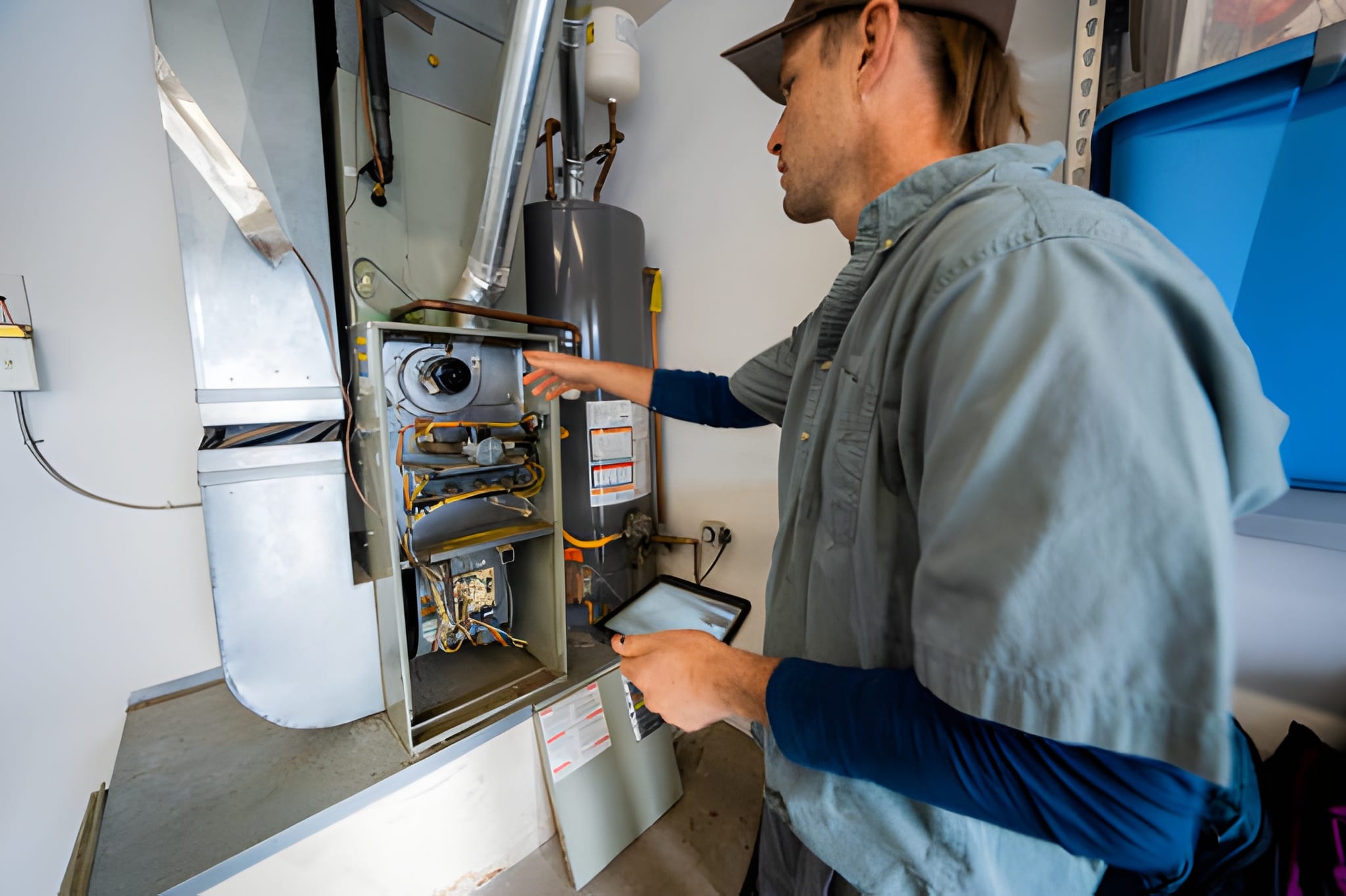
- Inspect pilot or ignition area, burners, flue, vents, and visible wiring for damage, soot, or corrosion—especially important in damp climates.
- Filter, blower, and airflow assessment
- Check filters, blower motor, belts, and return vents to identify restriction or mechanical wear causing poor airflow.
- Electrical and control diagnosis
- Test thermostat signals, limit switches, capacitors, and the control board for faults or intermittent failures.
- Combustion and gas system checks (for gas furnaces)
- Verify proper gas pressure, burner flame characteristics, and venting to ensure safe combustion and detect leaks or blockages.
- Heat exchanger and temperature rise testing
- Measure temperature rise across the furnace to identify heat exchanger problems or blocked airflow that can lead to unsafe operation.
- Final system run and verification
- Operate the furnace through a full cycle to confirm repairs solved the issue and that safety interlocks function properly.
Typical repair procedures and parts replacement
Once the root cause is identified, repairs focus on safe, lasting solutions rather than temporary fixes. Common procedures include:
- Cleaning and tune-up tasks
- Clean burners, flame sensors, and remove corrosion or debris that impede ignition and efficiency.
- Ignition and control repairs
- Replace hot surface ignitors or pilot components, and repair or replace faulty control boards and thermostats.
- Blower and airflow fixes
- Replace blower motors, capacitors, belts, or clean and balance blower assemblies to restore proper airflow and reduce noise.
- Safety and limit switch replacements
- Replace failed limit switches or flame sensors to restore safe operation and prevent overheating.
- Gas valve and combustion repairs
- Replace faulty gas valves or correct gas pressure issues; inspect and repair venting to ensure proper exhaust flow.
- Heat exchanger repair or replacement
- If cracked or severely corroded, heat exchanger replacement is a major repair that addresses carbon monoxide risk. Technicians will explain inspection findings and recommended options.
- Ductwork and venting corrections
- Seal or repair leaks, adjust dampers, and clear obstructions to improve overall system performance and efficiency.
Parts commonly replaced include ignitors, flame sensors, gas valves, control boards, blower motors, capacitors, limit switches, and occasionally heat exchangers. In Terrace Park, wet conditions can accelerate corrosion on outdoor venting and some components, making inspection and replacement more common than in drier regions.
Response times and emergency service availability
Reliable response matters when temperatures drop. For non-emergency repairs, technicians typically schedule same-day or next-day visits depending on workload and part availability. Emergency furnace repair in Terrace Park is available for unsafe conditions such as suspected gas leaks, confirmed carbon monoxide concerns, or complete heating failures during extreme cold. Emergency response prioritizes safety assessments and temporary measures to secure the home until full repairs are completed.
Estimates and how pricing is determined
Rather than quoting fixed prices without inspection, professional furnace repair estimates are based on scope and parts required. Key cost factors include:
- The specific component or components needing replacement
- Whether the repair is a simple part swap or requires labor-intensive disassembly
- Accessibility of the furnace and any necessary ductwork or venting repairs
- Age and model of the furnace and availability of replacement parts
- Any required safety upgrades or compliance work
Technicians provide clear, itemized estimates that explain labor, parts, and any warranties on replaced parts. Estimates also note if a diagnostic fee applies and whether that fee is credited toward repair work.
Brands and models serviced
We service a wide range of furnace manufacturers and configurations common in Terrace Park homes, including:
- Carrier, Trane, Lennox, Rheem, Ruud
- Goodman, Bryant, American Standard, York, Heil, Amana
- Single-stage, two-stage, and modulating gas furnaces
- Condensing furnaces and integrated furnace/heat pump systems
Technicians are trained on modern control systems, variable-speed blowers, and older mechanical systems to provide appropriate repairs or replacement recommendations.
Safety checks and satisfaction guarantee
Safety is the primary concern with any furnace work. Standard post-repair checks include combustion analysis, carbon monoxide monitoring, flue and vent verification, electrical safety testing, and a full operational cycle to confirm proper limits and controls. Work includes documentation of findings and the safety steps taken.
We back repairs with a satisfaction guarantee and stand behind the workmanship. If the repair does not resolve the issue as described in the service documentation, the process includes reinspection and correction to ensure safe, reliable operation.
Preventive maintenance and final notes
Terrace Park homes benefit from seasonal furnace maintenance to reduce breakdowns and extend system life. Regular maintenance in the fall is especially important to prepare for cold, damp months. Maintenance typically includes filter replacement, burner cleaning, ignition inspection, blower service, safety testing, and a performance tune-up that helps prevent emergency repairs and maintain efficiency.
Furnace Repair in Terrace Park, WA addresses safety, reliability, and efficiency with a clear diagnostic approach, transparent estimates, and thorough safety checks so your home remains warm and safe through the Pacific Northwest winter season.