Furnace Tune-Up in George, WA

Scroll down to discover more
Furnace Tune-Up in George, WA
A professional furnace tune-up in George, WA keeps your home safe, reliable, and as efficient as possible during the colder months. With the region's wide temperature swings, low humidity, and seasonal dust from agricultural and Gorge winds, furnaces in George face unique stresses that make an annual tune-up more important than in milder climates.
What a complete furnace tune-up includes
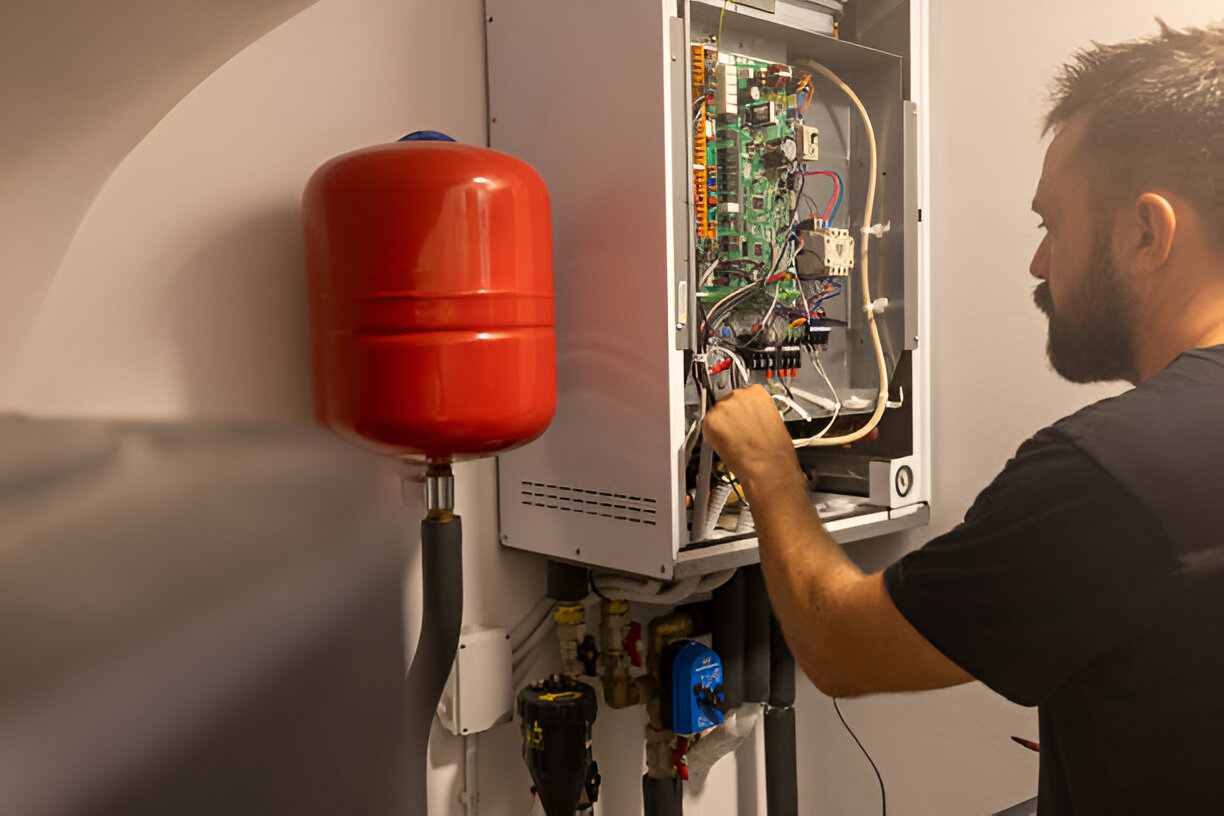
A thorough tune-up covers all major components that affect performance, safety, and efficiency. Typical services include:
- Visual and operational inspection of the entire furnace and venting system
- Cleaning of burners and ignition components to ensure consistent combustion
- Lubrication of moving parts such as blower motors and bearings to reduce wear and noise
- Thermostat calibration so your system responds accurately to set temperatures
- Airflow and filter checks including filter replacement recommendations and duct opening inspection
- Safety and carbon monoxide tests to confirm proper combustion and venting
- System performance verification measuring heat rise, blower operation, and cycle behavior
- Efficiency adjustments such as fine tuning gas pressure, pilot or ignition timing, and fan speeds where applicable
These tasks are designed to catch developing problems early, restore lost efficiency, and verify that safety systems are functioning properly.
Typical duration and seasonal recommendations
- Typical duration: Most furnace tune-ups take between 60 and 90 minutes for standard residential systems. Older or multi-zone systems may require more time.
- Best timing: The ideal time for a tune-up in George is early fall, before sustained heating demand begins. Scheduling in September or October avoids peak-season delays and ensures your system is ready for winter cold snaps.
- Follow-up frequency: One annual professional tune-up is generally recommended. Homes with heavy use, older equipment, or dusty conditions may benefit from semi-annual checks.
Common furnace tune-up issues in George, WA
Local climate and home conditions produce predictable problems. A tune-up targets these common issues:
- Clogged filters and reduced airflow from windblown dust and agricultural particles
- Dirt and soot buildup on burners that reduce combustion efficiency
- Worn blower motors and bearings from frequent cycling during shoulder seasons
- Thermostat drift after long periods of inactivity or temperature extremes
- Condensation and venting restrictions in low-humidity, cold mornings that can lead to corrosion over time
- Loose electrical connections or failing ignitors that cause intermittent operation
Identifying and correcting these problems during a tune-up reduces breakdown risk and improves in-home comfort.
Diagnostic approach and process
During a tune-up technicians follow a structured diagnostic process to ensure nothing is missed:
- Initial system run and visual inspection to identify obvious issues
- Power-down for safe access and component cleaning
- Remove and clean burners and ignition assembly as needed
- Check and lubricate motors, belts, and moving parts
- Inspect and measure airflow, inspect return and supply vents, replace or recommend filters
- Test thermostat accuracy and calibrate controls
- Perform combustion and carbon monoxide testing at the appliance and at living area levels
- Verify heat exchanger condition visually and with pressure or CO testing if required
- Final system performance check and documentation of findings and recommended actions
This methodical process isolates root causes so technicians can recommend only the necessary repairs or adjustments.
Repairs and solutions commonly performed after a tune-up
A tune-up often reveals items that need attention. Common follow-up repairs include:
- Replacing air filters and clearing obstructed returns or ducts
- Replacing faulty ignitors or flame sensors for reliable starts
- Tightening or replacing worn electrical connectors and relays
- Adjusting gas pressure or replacing gas valves for stable combustion
- Replacing worn blower motors, belts, or bearings that cause noise or poor airflow
- Repairing or replacing damaged venting sections to restore safe exhaust flow
Addressing these issues promptly prevents emergency failures and unsafe operation.
Safety checks that matter in George homes
Safety testing is a critical part of every tune-up. Technicians perform:
- Carbon monoxide testing at the furnace and in living spaces
- Combustion analysis to confirm efficient and safe burning
- Inspection of the heat exchanger for cracks or corrosion that could lead to CO leaks
- Vent and flue inspection to ensure proper exhaust routing and clearance
Because winter weather can mask slowly developing combustion problems, these safety tests are essential for protecting your family.
Benefits of an annual furnace tune-up
Scheduling a yearly tune-up yields measurable advantages:
- Improved reliability with fewer breakdowns during cold weather
- Better energy efficiency, which lowers heating costs
- Extended equipment life by reducing wear on key components
- Safer operation through verified combustion and CO testing
- Stabilized indoor comfort with more consistent temperatures and fewer cold spots
- Documentation that can help maintain warranty coverage on some equipment
In climates like George, where wind-driven dust and temperature extremes accelerate wear, the return on routine maintenance shows up quickly in fewer service calls and lower utility bills.
Homeowner maintenance tips between tune-ups
You can prolong the benefits of a professional tune-up by doing simple tasks:
- Replace disposable filters every 1 to 3 months depending on dust levels
- Keep return vents and furnace access panels free from clutter
- Check vents and registers for blockage by furniture or curtains
- Set the thermostat to avoid extreme swings that force frequent cycling
- Monitor CO detectors and change batteries regularly
These small steps help your furnace run smoothly and make each professional tune-up more effective.